Open 7 days a week, 8 AM to 8 Pm

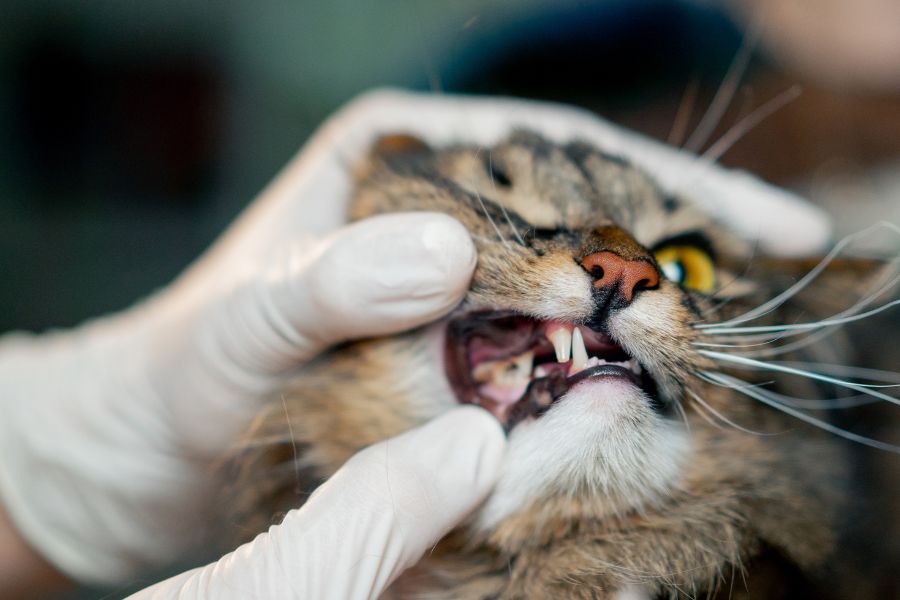
Dental problems are one of the most common health issues in cats and dogs, yet many pet owners miss the early signs. Recognizing the symptoms of pet dental disease early can help prevent pain, tooth loss, infections, and costly treatments later on. In this guide, you’ll learn the most common warning signs of dental disease in pets, why oral health matters, and when it’s time to schedule a veterinary visit.
Why Pet Dental Health Matters?
Many pets develop some form of dental disease by the age of three. Plaque and tartar buildup can quickly lead to gum inflammation, infection, and damaged teeth if left untreated. Dental disease can also affect other parts of the body, including the heart, kidneys, and liver.
Because pets often hide pain, dental issues may go unnoticed until the condition becomes severe. Routine oral exams and professional cleanings are essential parts of preventive veterinary care.
1. Bad Breath That Doesn’t Go Away
A little “pet breath” is normal, but a persistent foul odor is usually one of the earliest signs of dental disease.
Bad breath often happens when bacteria build up in the mouth due to plaque and tartar accumulation. If your dog or cat’s breath suddenly smells much worse than usual, it could point to:
- Gum disease
- Tooth decay
- Oral infection
- Abscessed teeth
Chronic bad breath should never be ignored, especially if it continues after eating or drinking.
2. Red, Swollen, or Bleeding Gums
Healthy gums should appear pink and firm. If you notice redness, swelling, or bleeding around your pet’s teeth, this may indicate gingivitis or periodontal disease.
Common signs include:
- Bleeding while chewing toys
- Blood spots near food bowls
- Inflamed gum lines
- Sensitivity when touching the mouth
Gum disease can progress quickly if untreated, leading to tooth loss and painful infections.
3. Difficulty Eating or Chewing
Pets with oral pain may struggle to eat comfortably. Some animals continue trying to eat despite severe discomfort, making the symptoms easy to miss.
Watch for behaviors such as:
- Dropping food from the mouth
- Chewing on one side only
- Eating slower than usual
- Refusing hard food or treats
- Crying while eating
A sudden change in eating habits is often connected to oral discomfort and should be evaluated promptly.
4. Excessive Drooling
Drooling can happen for many reasons, but increased salivation is commonly linked to dental problems.
Excessive drooling may occur because of:
- Mouth pain
- Infected gums
- Loose teeth
- Oral ulcers
- Tooth abscesses
You may also notice thick saliva or drool tinged with blood. Cats, in particular, may drool more noticeably when experiencing dental pain.
5. Loose, Broken, or Missing Teeth
Adult pets should not lose teeth during normal daily activities. Loose or damaged teeth usually signal advanced periodontal disease or trauma.
Signs to look for include:
- Teeth shifting position
- Cracked teeth
- Missing teeth
- Teeth covered in heavy tartar
- Pain when chewing
Broken teeth expose sensitive inner tissue, which can be extremely painful and increase the risk of infection.
6. Pawing at the Mouth or Face
Pets often try to cope with oral discomfort by rubbing or pawing at their mouths.
You may notice your pet:
- Scratching at the face
- Rubbing the mouth on furniture
- Acting irritated when touched near the head
- Frequently licking the lips
These subtle behaviors are easy to overlook but may indicate serious dental discomfort.
7. Behavioral Changes or Low Energy
Dental disease can affect your pet’s mood and overall quality of life. Chronic pain may cause pets to become withdrawn, irritable, or less active.
Some pets may:
- Sleep more than usual
- Avoid playing
- Become less social
- Seems grumpy or anxious
- Hide more frequently
Because animals naturally hide pain, even mild behavior changes can be important clues.
Common Causes of Dental Disease in Pets
Several factors contribute to poor oral health in dogs and cats.
Plaque and Tartar Buildup
Food particles and bacteria combine to form plaque on teeth. Over time, plaque hardens into tartar, which irritates the gums and promotes infection.
Poor Dental Hygiene
Without regular brushing or professional cleanings, bacteria can quickly multiply in the mouth.
Age
Senior pets are more likely to develop periodontal disease because plaque accumulates over many years.
Breed Predisposition
Small dog breeds often experience dental crowding, making them more vulnerable to dental disease. Certain cat breeds may also face increased oral health risks.
How Veterinarians Diagnose Pet Dental Disease?
Veterinarians perform a full oral examination to evaluate your pet’s teeth and gums. In many cases, dental X-rays are recommended to identify problems hidden below the gum line.
A professional dental evaluation may include:
- Oral exam
- Dental X-rays
- Plaque and tartar assessment
- Checking for loose or damaged teeth
- Evaluating gum health
Many dental issues are not visible during a routine visual inspection alone.
Treatment Options for Pet Dental Problems
The best treatment depends on how advanced the dental disease has become.
Professional Dental Cleaning
Veterinary dental cleanings remove plaque and tartar above and below the gum line while your pet is under anesthesia.
Tooth Extractions
Severely damaged or infected teeth may need removal to eliminate pain and infection.
Antibiotics and Pain Management
Infections and inflammation are often treated with medications to improve comfort and healing.
At-Home Dental Care
Daily dental care helps reduce future buildup and maintain oral health between veterinary visits.
Tips to Prevent Dental Disease in Pets
Preventive care is the best way to protect your pet’s oral health.
Helpful habits include:
- Brushing your pet’s teeth regularly
- Using veterinarian-approved dental treats
- Providing dental-friendly toys
- Scheduling routine dental exams
- Following recommended professional cleaning schedules
Starting dental care early makes it easier for pets to adapt to oral hygiene routines.
When to Schedule a Veterinary Dental Exam?
If your pet shows any of the warning signs listed above, it’s important to schedule an evaluation promptly. Dental disease rarely improves on its own and often worsens over time.
Early treatment can help:
- Reduce pain
- Prevent tooth loss
- Lower infection risk
- Improve appetite and energy
- Protect overall health
Conclusion
Dental disease can seriously affect your pet’s comfort and long-term health, but early detection makes a major difference. Paying attention to symptoms like bad breath, swollen gums, drooling, and eating difficulties can help you catch problems before they become severe. Regular veterinary exams and consistent pet dental care are key to keeping your pet healthy and pain-free. If you notice signs of oral discomfort, contact Fox Creek Veterinary Hospital in Wildwood, MO, to schedule a dental evaluation for your pet.
FAQs
Q1: What are the first signs of pet dental disease?
Ans: The earliest signs often include bad breath, red gums, tartar buildup, and mild discomfort while eating.
Q2: How often should pets get professional dental cleanings?
Ans: Most pets benefit from annual dental exams and cleanings, although some may need more frequent care depending on their oral health.
Q3: Can dental disease make my pet sick?
Ans: Yes, untreated dental infections can spread bacteria throughout the body and may affect organs like the heart, kidneys, and liver.
Q4: Is bad breath in pets always caused by dental problems?
Ans: Not always, but persistent foul breath is commonly linked to gum disease, tooth decay, or oral infections.
Q5: How can I improve my pet’s dental health at home?
Ans: Regular tooth brushing, dental treats, routine vet checkups, and professional cleanings all help maintain healthy teeth and gums.