Open 7 days a week, 8 AM to 8 Pm


A sudden limp, repeated vomiting, or a painful ear can quickly change an ordinary day with your pet. Even if your dog or cat is still active, a new health concern may need attention sooner than a routine appointment. Knowing what veterinary urgent care includes can help you understand when to contact a veterinarian and what kind of support your pet may receive. Fox Creek Veterinary Hospital in Kirkwood, MO, provides urgent care for pets with a range of sudden health concerns. This guide explains the services available during an urgent visit, how veterinarians assess symptoms, and what you can expect during treatment.
What Services Do Pets Receive During a Veterinary Urgent Care Visit?
Veterinary urgent care provides timely assessment and treatment for health problems that should not wait for a routine appointment. Depending on your pet’s symptoms, services may include a physical examination, diagnostic testing, wound care, medication, and a treatment plan. The veterinarian first evaluates your pet to understand the problem and decide which services are appropriate.
Common reasons to request an urgent appointment include:
- Sudden vomiting or diarrhea
- New limping or difficulty walking
- Cuts, wounds, or swelling
- Ear pain, redness, or head shaking
- Eye irritation or injury
- Sudden changes in appetite or behavior
- Pain or difficulty when urinating
- Unusual tiredness or weakness
The exact care your pet receives depends on the examination findings. A dog with a small cut may need wound assessment and cleaning, while a cat with repeated vomiting may need laboratory testing to investigate the cause.
Fox Creek Veterinary Hospital lists urgent care services for concerns such as sudden digestive problems, wounds, fractures, and eye injuries. Calling before arriving allows the team to understand your pet’s symptoms and advise you about the next step.
What Happens During the Initial Pet Assessment?
The first step is understanding what has changed in your pet’s health. The veterinarian or veterinary team will ask about the symptoms, when they started, and whether they have become more frequent or severe.
You may be asked questions such as:
- When did you first notice the problem?
- Has your pet eaten and drunk water normally?
- Has your pet vomited or had diarrhea?
- Is your pet walking and moving comfortably?
- Could your pet have swallowed an unfamiliar object?
- Is your pet taking any medication?
- Has this problem happened before?
After reviewing the history, the veterinarian performs a physical examination. This may include checking your pet’s temperature, heart rate, breathing, hydration, abdomen, skin, eyes, ears, and movement.
The examination is adjusted to your pet’s symptoms. For example, a pet with a limp may need a closer look at the paws, joints, and affected leg. A pet with digestive symptoms may need an abdominal examination.
Your observations are an important part of this process. If you have noticed an unusual movement, coughing episode, or change in behavior, a short video can help explain what happened.
Which Diagnostic Tests May Be Used During Urgent Care?
A physical examination may provide enough information to begin treatment. However, some symptoms have several possible causes, so the veterinarian may recommend diagnostic testing to gather more details.
Depending on your pet’s condition, testing may include:
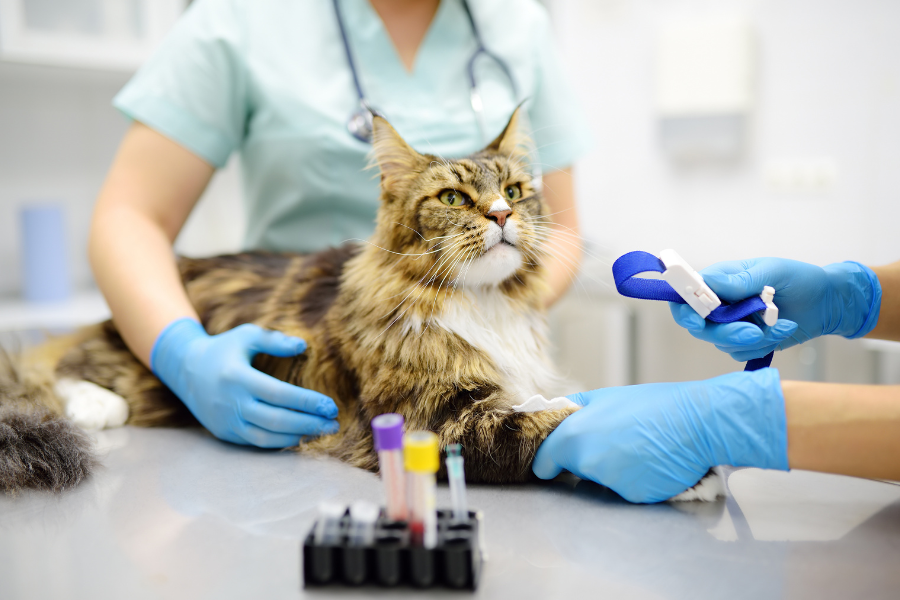
Bloodwork: Blood tests can provide information about blood cells, organ function, hydration-related changes, and other health indicators.
Urinalysis: A urine test may help investigate urinary changes, discomfort during urination, or certain metabolic concerns.
Digital X-rays: Radiographs can help evaluate bones, joints, the chest, and some abdominal concerns. They may be useful when a pet has suffered an injury or swallowed an object.
Ultrasound: Ultrasound imaging allows the veterinarian to examine certain internal organs and soft tissues.
Additional laboratory tests: Depending on the symptoms, a veterinarian may recommend a stool test or another targeted laboratory evaluation.
Not every pet needs all these tests. The veterinarian selects the most useful options based on the symptoms and examination findings. You can ask what each test is intended to identify and how the results may affect your pet’s treatment plan.
What Treatments Are Available for Pets Needing Urgent Care?
Treatment depends on the problem, its severity, and your pet’s overall health. The goal is to address the identified concern, improve comfort, and determine whether further care is needed.
Treatment may include:
- Medication to manage pain, inflammation, or specific symptoms
- Cleaning and care for minor wounds
- Support for hydration when appropriate
- Dietary recommendations for certain digestive concerns
- Rest and activity restrictions for injuries
- Additional testing to investigate unclear symptoms
- Follow-up examinations to monitor recovery
For example, a pet with an uncomplicated skin wound may need cleaning, medication, and instructions for preventing further irritation. A pet with ongoing digestive symptoms may need testing before the veterinarian can recommend the most suitable treatment.
A hypothetical patient example
Imagine a dog named Rocky who begins limping after playing in the backyard. His owner notices that he avoids putting weight on one front leg, although he is still interested in food. During the appointment, the veterinarian examines his paw and joints, checks for swelling, and recommends imaging to investigate the cause. The findings help guide a treatment plan that includes appropriate pain management and restricted activity while Rocky recovers.
This hypothetical example shows why the same symptom can require different assessments in different pets. Treatment should always follow the examination findings.
How Can You Prepare for an Urgent Veterinary Appointment?
You do not need to know what is wrong with your pet before contacting the practice. A clear description of the symptoms is often the most useful starting point.
Before the visit, try to gather:
- A symptom timeline: Note when the problem started and whether it has changed.
- Medication details: Write down the names and doses of current medications and supplements.
- Medical records: Bring relevant previous test results or information about ongoing conditions.
- Eating and drinking habits: Note whether your pet’s appetite or water intake has changed.
- Possible exposures: Mention unfamiliar foods, plants, household products, or objects your pet may have swallowed.
- Photos or videos: Save images of visible swelling, skin changes, or unusual behavior when possible.
Avoid giving human medication unless your veterinarian specifically instructs you to do so. Some medicines commonly used by people can be harmful to pets.
When Should You Contact a Veterinarian?
Contact a veterinarian when your pet develops a new symptom that persists, causes discomfort, or becomes worse. Repeated vomiting, ongoing diarrhea, sudden limping, painful swelling, and changes in urination are all reasons to ask for veterinary guidance.
Certain signs need immediate veterinary attention. These include difficulty breathing, collapse, seizures, severe bleeding, or an inability to urinate. Do not wait for a routine appointment if you notice these symptoms.
If you are unsure how quickly your pet should be seen, call the veterinary practice and explain what is happening. The team can help you understand the appropriate next step.
Conclusion
When a pet develops a sudden health concern, knowing what to expect can make the experience less stressful. Urgent care may involve a physical examination, laboratory testing, imaging, wound treatment, medication, or follow-up instructions, depending on the problem. Your observations help the veterinarian choose the right approach, so keep track of symptoms and bring relevant medical information to the appointment. If your dog or cat develops a new concern that needs timely attention, contact Fox Creek Veterinary Hospital at (636) 458-6569 located in Kirkwood to discuss the symptoms and arrange an appropriate assessment.
FAQs
Q1. What is veterinary urgent care for pets?
Ans: Veterinary urgent care provides timely assessment and treatment for health concerns that should not wait for a routine appointment. It may include evaluating sudden injuries, digestive problems, pain, and other unexpected symptoms.
Q2. What services are included in veterinary urgent care?
Ans: Services may include physical examinations, diagnostic testing, wound care, medication, and treatment planning. The services recommended depend on your pet’s symptoms and examination findings.
Q3. When should I take my dog or cat for urgent veterinary care?
Ans: Contact a veterinarian when your pet develops repeated vomiting, ongoing diarrhea, sudden limping, painful swelling, or changes in urination. A veterinarian can help determine how quickly your pet should be examined.
Q4. Will my pet need diagnostic testing during an urgent care visit?
Ans: Not every pet needs diagnostic testing. Depending on the symptoms, the veterinarian may recommend bloodwork, urine testing, X-rays, or ultrasound to investigate the underlying problem.
Q5. How can I prepare my pet for an urgent veterinary appointment?
Ans: Bring your pet’s medical records, medication details, and information about when the symptoms started. Photos or videos of unusual behavior can also help the veterinarian understand the concern.