Open 7 days a week, 8 AM to 8 Pm

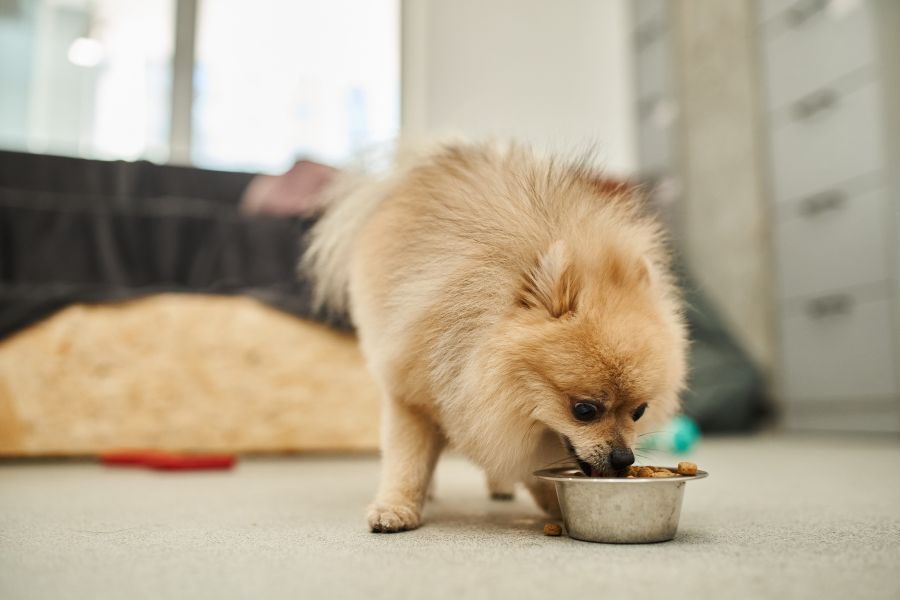
Choosing food for a growing puppy can feel harder than choosing food for yourself. Shelves are filled with formulas labeled for puppies, large breeds, small breeds, sensitive stomachs, and different life stages. The best dry puppy food is not simply the one with the most appealing package or the longest ingredient list. Your puppy needs a complete and balanced diet that supports growth, healthy bones, muscle development, and steady energy. At Fox Creek Veterinary Hospital in Wildwood, MO, pet owners can discuss their puppy’s individual nutrition needs with a veterinary professional. This guide explains what makes a dry puppy food a good choice, what ingredients matter, how feeding needs change as puppies grow, and how to compare formulas more confidently.
What Is the Best Dry Puppy Food for Growing Dogs?
The best dry puppy food is one that is complete and balanced for your puppy’s growth stage and appropriate for the puppy’s size, health, and nutritional needs. A good formula should provide the right balance of protein, fat, calories, vitamins, and minerals without relying on marketing claims alone.
Puppies grow quickly, so their nutritional needs differ from those of adult dogs. Large-breed puppies may also need carefully controlled nutrition because excessive growth can put extra stress on developing bones and joints.
When comparing foods, look for:
- A clear puppy or growth life-stage designation
- Complete and balanced nutrition
- Appropriate calorie content
- Suitable protein and fat levels
- A reputable manufacturer
- Feeding directions based on puppy size and age
- Quality control information
Ingredient lists can be useful, but they do not tell the entire story. The overall nutrient profile and quality-control practices behind the food are also important.
A puppy that is growing steadily, maintaining a healthy body condition, and producing normal stools may be doing well on its current diet. Your veterinarian can help determine whether the food and feeding amount fit your puppy’s needs.
How Do You Choose Dry Food for a Puppy?
Start with your puppy’s age, expected adult size, activity level, and health. A food designed for a tiny breed may not be appropriate for a puppy expected to become a large adult dog.
Look for a formula specifically designed for growth. If your puppy is expected to become a large dog, consider a diet formulated for large-breed growth rather than choosing a general puppy food automatically.
You should also consider whether your puppy has a known medical or digestive concern. A puppy with repeated diarrhea, poor growth, or food-related problems may need a veterinary evaluation rather than simply switching foods.
When comparing products, ask:
- Is the formula intended for growth?
- Is it complete and balanced?
- Is it appropriate for my puppy’s expected adult size?
- How many calories are provided per serving?
- Does the manufacturer provide feeding guidance?
- Does my puppy tolerate the food well?
- Can I consistently purchase the same formula?
Consistency matters. Frequently switching foods can cause digestive upset and make it harder to determine what your puppy tolerates.
What Ingredients Should Puppy Food Have?
Puppies need nutrients rather than specific trendy ingredients. Protein provides amino acids needed for growing muscles and tissues, while fats provide concentrated energy and support normal development.
Carbohydrates can also provide energy, and properly formulated puppy foods include vitamins and minerals needed for growth.
Instead of judging food based on one ingredient, consider the entire formula. A food does not become better simply because the ingredient list includes a particular meat, vegetable, grain, or supplement.
Be cautious with marketing phrases such as “natural,” “premium,” or “holistic.” These terms can sound reassuring but do not automatically tell you whether a food meets your puppy’s nutritional requirements.
Your puppy’s response matters, too. Watch for:
- Healthy, steady growth
- Normal stools
- Good energy
- A healthy body condition
- A normal appetite
- A healthy skin and coat
If your puppy has persistent digestive problems or is not growing as expected, talk with a veterinarian before experimenting with multiple diets.
Is Grain-Free Puppy Food Better?
Not necessarily. Grain-free does not automatically mean healthier, and there is no general reason that every puppy needs a grain-free diet.
Puppies can thrive on properly formulated diets that contain grains. The important issue is whether the overall food provides appropriate, complete nutrition for growth.
A food should not be selected solely because it avoids grains, contains unusual proteins, or uses a long list of vegetables. Those features may be appropriate in specific situations, but they are not automatically signs of better nutrition.
If your puppy has suspected food allergies or digestive concerns, a veterinarian can help determine whether a dietary trial is appropriate. Simply switching among several over-the-counter foods can make the problem harder to evaluate.
For most healthy puppies, focus first on nutritional adequacy, appropriate calories, expected growth, and how well the puppy tolerates the diet.
How Much Dry Food Should a Puppy Eat?
The correct amount depends on the puppy’s age, weight, expected adult size, activity, and the calorie density of the food. Feeding charts on the package provide a starting point, but they should not be treated as a perfect prescription for every puppy.
Puppies should be monitored as they grow rather than fed an unchanged amount indefinitely.
Helpful habits include:
- Measure meals rather than estimating by eye.
- Follow the food’s feeding directions initially.
- Adjust portions as your puppy grows.
- Keep treats within a reasonable portion of daily calories.
- Monitor body condition regularly.
- Ask your veterinarian about growth if you are unsure.
Overfeeding can contribute to excessive weight gain, which is especially important to avoid in growing dogs. Your veterinarian can help you determine whether your puppy is growing at an appropriate rate.
How Do You Switch a Puppy to a New Dry Food?
Changing food gradually can reduce the chance of digestive upset. Instead of replacing the old food all at once, mix increasing amounts of the new food over several days.
A simple transition may look like:
- Begin with mostly the current food and a smaller amount of the new food.
- Gradually increase the new food.
- Reduce the old food at the same pace.
- Monitor stool quality and appetite.
- Slow the transition if digestive upset develops.
Some puppies tolerate food changes easily, while others develop loose stool quickly. If vomiting, persistent diarrhea, poor appetite, or lethargy develops, contact your veterinarian.
Avoid changing food repeatedly because of a single soft stool unless your veterinary professional recommends it. Puppies can have digestive upset for many reasons.
What Should You Do If Your Puppy Does Not Like the Food?
Some puppies are enthusiastic eaters, while others are selective. Before assuming the food is the problem, consider whether your puppy is otherwise healthy.
A sudden refusal to eat can be more concerning in a young puppy than in an adult dog. Puppies have smaller energy reserves and can become unwell more quickly.
Contact your veterinarian if your puppy:
- Refuses multiple meals
- Vomits repeatedly
- Develops persistent diarrhea
- Becomes unusually tired
- Loses weight
- Has difficulty chewing
- Shows signs of pain while eating
In a hypothetical case, a young mixed-breed puppy named Scout began leaving half of each meal untouched after his owner changed foods. The veterinary team found that Scout was otherwise healthy but was being offered portions larger than he needed, so the owner was advised to review the feeding amount and monitor his body condition rather than immediately switching to another formula.
The lesson is simple: appetite and food choice should be considered alongside the puppy’s overall health.
When Should a Veterinarian Review Your Puppy’s Diet?
A veterinary nutrition discussion from a Wildwood Vet can be useful whenever you are unsure whether your puppy is receiving appropriate nutrition. It becomes particularly important when your puppy has poor growth, repeated digestive problems, weight concerns, or a diagnosed health condition.
Bring the food package or a photo of its nutritional information to the appointment if possible. This gives the veterinary team specific information to review.
A diet discussion may help answer questions about:
- Portion size
- Growth rate
- Expected adult size
- Treats
- Body condition
- Digestive tolerance
- Whether a diet change is appropriate
Nutrition is part of your puppy’s overall health plan. The right food is one that meets nutritional needs while fitting your puppy’s individual circumstances and your ability to feed it consistently.
Conclusion
Choosing puppy food does not have to mean finding the fanciest formula on the shelf. Focus on complete and balanced nutrition for growth, appropriate calories, your puppy’s expected adult size, and how well the food supports healthy development. Feeding amounts should also be adjusted as your puppy grows.
If you need help evaluating your puppy’s diet, get effective puppy care from Fox Creek Veterinary Hospital in Wildwood, MO can help you discuss nutrition, body condition, growth, and feeding habits. A thoughtful food choice made early can support healthy development and give your puppy a strong nutritional foundation.
FAQs
Q1: What is the best dry puppy food?
A: The best choice is a complete and balanced food formulated for puppy growth and appropriate for your dog’s size and individual needs. Your veterinarian can help you compare options if your puppy has specific health or growth concerns.
Q2: Should puppies eat grain-free food?
A: Healthy puppies do not automatically need grain-free diets. Choose food based on complete nutrition and your puppy’s individual needs rather than the absence of grains alone.
Q3: How often should puppies eat dry food?
A: Puppies generally need more frequent meals than adult dogs because they are growing rapidly. The appropriate schedule depends on age, size, and individual needs, so follow your food’s directions and ask your veterinarian for guidance.
Q4: Can changing puppy food cause diarrhea?
A: Yes, a sudden diet change can cause digestive upset. Transition gradually and contact your veterinarian if diarrhea is persistent, severe, or accompanied by vomiting, poor appetite, or low energy.
Q5: When should I ask a vet about my puppy’s food?
A: Talk with a veterinarian if your puppy is not growing normally, has ongoing digestive problems, is gaining too much weight, or refuses food. A nutrition discussion can help ensure the diet and feeding amount fit your puppy’s needs.