Open 7 days a week, 8 AM to 8 Pm

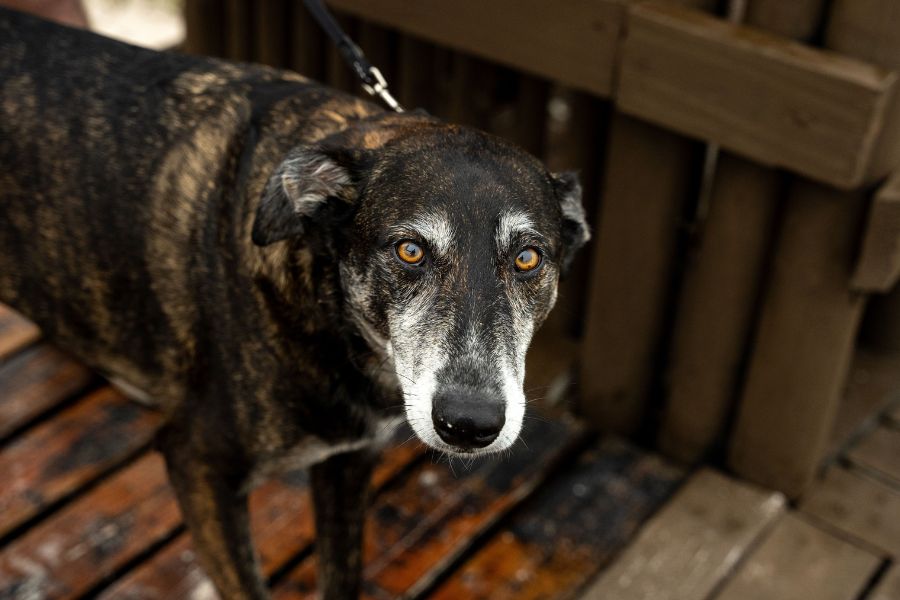
As your dog grows older, their needs begin to change. Just like humans, dogs experience new health challenges as they age. They may move more slowly, sleep longer, or face conditions such as arthritis or dental disease. However, with the right care, your furry friend can continue to enjoy a happy and fulfilling life.
This guide covers essential tips for senior dog care, including nutrition, exercise, preventive health, and lifestyle changes to keep your pet comfortable and healthy in their golden years.
When Does a Dog Become a Senior?
The age at which a dog is considered a senior depends on their size and breed. Small breeds often enter their senior years around age 10, while large breeds may reach this stage as early as 6 or 7. Paying attention to your dog’s age and subtle health changes will help you prepare for their evolving needs.
Provide the Right Nutrition
Nutrition is one of the most important aspects of caring for senior dogs. As they age, their metabolism slows, and their bodies need more targeted nutrients.
- High-quality protein helps maintain muscle strength.
- Omega-3 fatty acids reduce inflammation and support joint and brain health.
- Fiber-rich diets improve digestion.
- Lower calories prevent obesity, a common problem in older dogs.
It’s always best to consult your veterinarian before switching your dog’s food to ensure you choose a formula designed specifically for senior pets.
Keep Up with Regular Veterinary Checkups
Regular veterinary care is vital for catching potential health issues early. Instead of yearly checkups, senior dogs benefit from visits every six months. These appointments allow vets to run blood work, dental exams, and other diagnostics to detect problems such as kidney disease, diabetes, or arthritis.
Preventive care extends your dog’s life and ensures they remain comfortable as they age.
Protect Their Joints and Mobility
Joint stiffness and arthritis are common in older dogs. To keep your pet mobile and pain-free:
- Offer low-impact exercises like short walks or swimming.
- Provide joint supplements such as glucosamine and chondroitin.
- Invest in orthopedic dog beds to relieve pressure on aching joints.
- Use non-slip rugs or ramps to make moving around the house easier.
These small changes can make a big difference in your senior dog’s daily comfort.
Focus on Dental Health
Dental disease affects many older dogs and can lead to serious health problems if untreated. Bad breath, difficulty eating, or inflamed gums may signal dental issues. Prevent these problems with:
- Regular tooth brushing
- Dental chews or toys
- Professional cleanings at your vet’s office
Keeping your dog’s teeth healthy not only improves their comfort but also prevents infections from spreading to other organs.
Maintain a Healthy Weight
Excess weight puts stress on your dog’s joints and can contribute to heart disease or diabetes. Senior dogs need fewer calories but still require nutrient-rich meals. Monitor portion sizes and avoid giving too many treats. Pair healthy eating with gentle, consistent exercise to maintain a balanced weight.
Provide Mental Stimulation
Cognitive decline is another challenge senior dogs may face. To keep their minds sharp, offer:
- Puzzle toys
- Gentle training sessions
- New scents or safe exploration during walks
Mental enrichment prevents boredom and helps slow cognitive decline, keeping your dog engaged and content.
Make Your Home Comfortable
Older dogs benefit from a home environment tailored to their needs. Consider:
- Soft, orthopedic bedding
- Elevated bowls for easier eating and drinking
- Ramps to avoid climbing stairs
- A quiet resting space away from noise
These adjustments ensure your dog feels safe and supported in their daily routine.
Senior dogs deserve the best care during their later years. With proper nutrition, consistent exercise, preventive veterinary visits, and a supportive home environment, you can keep your loyal companion both healthy and happy.
For pet owners seeking expert senior dog care in Manchester, MO, partnering with a trusted local veterinarian ensures that your furry friend receives the compassionate, tailored support they need to thrive in their golden years.
FAQs
Q1. At what age is a dog considered a senior?
Ans. Small breeds are seniors around 10 years old, while large breeds may be seniors as early as 6 or 7.
Q2. How often should I take my senior dog to the vet?
Ans. Senior dogs should visit the vet at least twice a year for comprehensive checkups and diagnostic tests.
Q3. What is the best diet for senior dogs?
Ans. Senior dog diets should include high-quality protein, omega-3 fatty acids, fiber, and reduced fat for balanced health.
Q4. Do senior dogs still need exercise?
Ans. Yes. Gentle, low-impact exercise helps maintain mobility and manage weight without straining joints.
Q5. How can I tell if my senior dog is in pain?
Ans. Signs include limping, reluctance to move, whining, or changes in behavior. Always consult your vet if you suspect discomfort.
Q6. How can I make my home safer for a senior dog?
Ans. Use non-slip rugs, add ramps for easier access, and provide orthopedic bedding for added comfort.