Open 7 days a week, 8 AM to 8 Pm


As a dog owner, you know your pet better than anyone else. Because dogs can’t tell us when something is wrong, recognizing early warning signs is essential. Symptoms that may seem minor at first can quickly become serious without timely veterinary care, making early intervention critical to your dog’s health and well-being.
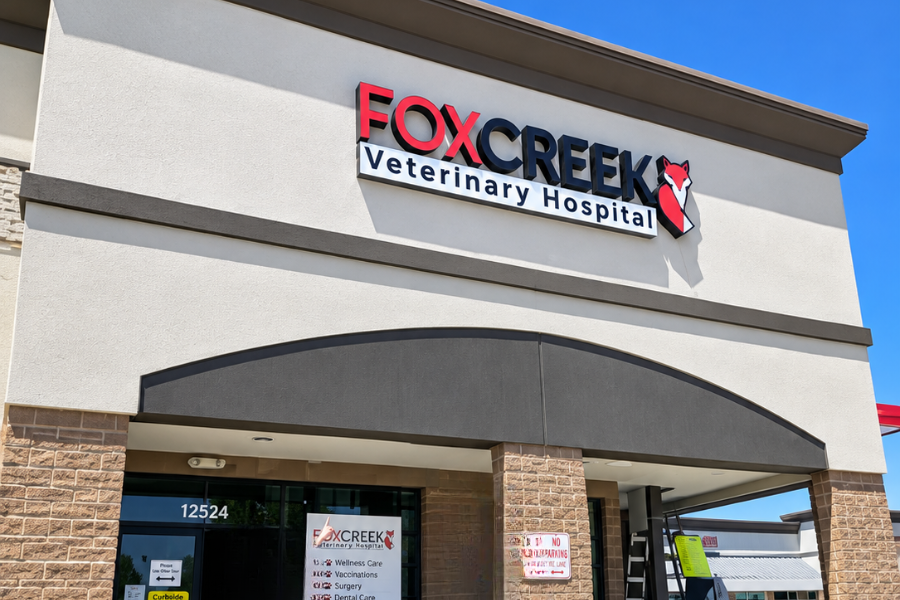
At Fox Creek Veterinary Hospital, we frequently see dogs whose conditions could have been treated more effectively if care had been sought sooner. Understanding when to act can truly make a life-saving difference for your dog—especially for pet owners in Manchester, MO.
Why Recognizing Emergency Signs Matters
Dogs are instinctively good at hiding pain or discomfort. By the time obvious symptoms appear, an illness or injury may already be advanced. Acting quickly when warning signs appear helps prevent complications, reduces suffering, and improves outcomes.
While not every symptom is an emergency, certain changes should never be ignored.
Common Signs Your Dog Needs Immediate Veterinary Care
1. Difficulty Breathing or Persistent Coughing
Labored breathing, rapid panting at rest, wheezing, or blue-tinged gums are all serious red flags. Breathing issues can indicate heart disease, airway obstruction, allergic reactions, or lung problems and require immediate attention.
2. Sudden Collapse or Extreme Weakness
If your dog collapses, struggles to stand, or appears disoriented, this may signal internal bleeding, heatstroke, poisoning, or neurological issues. These symptoms are always considered urgent.
3. Repeated Vomiting or Diarrhea
Occasional stomach upset may not be alarming, but frequent vomiting, diarrhea lasting more than 24 hours, or the presence of blood can quickly lead to dehydration and shock—especially in puppies and senior dogs.
4. Loss of Appetite for More Than a Day
Skipping a meal once may not be concerning, but refusing food for more than 24 hours can indicate infection, dental pain, gastrointestinal issues, or systemic illness.
5. Difficulty Urinating or Defecating
Straining, crying while urinating, or producing little to no urine can signal urinary blockages, which are life-threatening if left untreated. Constipation lasting more than a day may also require medical care.
Behavioral Changes That Signal Trouble
6. Sudden Aggression or Withdrawal
A dog that becomes unusually aggressive, hides, or avoids interaction may be experiencing pain or fear due to illness or injury.
7. Excessive Lethargy
If your normally active dog suddenly seems unusually tired, uninterested in play, or difficult to wake, this could point to infection, pain, or internal problems.
Physical Symptoms You Should Never Ignore
8. Swelling, Bloated Abdomen, or Pain
A swollen or hard abdomen—especially if paired with restlessness or retching—may indicate bloat (GDV), a medical emergency common in large-breed dogs.
9. Seizures or Loss of Consciousness
Seizures, tremors, or fainting episodes require immediate veterinary evaluation, even if they stop quickly.
10. Visible Injuries or Trauma
Deep cuts, puncture wounds, broken bones, or injuries from accidents should always be examined by a veterinarian, even if your dog seems stable initially.
What to Do If You Notice These Signs
If your dog shows any of the symptoms above:
- Stay calm
- Prevent further injury
- Contact your veterinarian immediately
- Avoid giving human medications unless directed by a professional
When in Doubt, Trust Your Instincts
If something about your dog feels “off,” it’s better to err on the side of caution. Early intervention can mean the difference between a minor treatment and a serious emergency.
Routine wellness exams also help detect subtle changes before they become urgent problems, reinforcing the importance of regular veterinary visits.
Knowing the common signs that require immediate veterinary care empowers you to protect your dog’s health and well-being. From breathing difficulties to sudden behavioral changes, recognizing symptoms early allows for faster treatment and better outcomes. Book an appointment at Fox Creek Veterinary Hospital today to ensure your dog receives timely, compassionate care when it matters most.
FAQs
Q1. How can I tell if my dog’s symptoms are an emergency?
Ans. Symptoms such as difficulty breathing, collapse, seizures, severe vomiting or diarrhea, bloating, or sudden behavior changes should be treated as emergencies. When in doubt, contact your veterinarian immediately.
Q2. Should I wait to see if my dog improves before calling the vet?
Ans. Delaying care can allow conditions to worsen quickly. If symptoms are severe, sudden, or unusual for your dog, it’s best to seek veterinary attention right away rather than waiting.
Q3. What should I do while transporting my dog to the veterinarian?
Ans. Keep your dog calm and warm, limit movement to prevent further injury, and avoid giving food, water, or medications unless directed by your veterinarian. Call ahead so the clinic can prepare.
Q4. Are vomiting and diarrhea always considered emergencies?
Ans. Not always, but repeated vomiting, diarrhea lasting more than 24 hours, or the presence of blood requires prompt veterinary care—especially in puppies, senior dogs, or dogs with existing health conditions.
Q5. Can behavioral changes alone indicate a medical emergency?
Ans. Yes. Sudden aggression, withdrawal, confusion, or extreme lethargy can signal pain, illness, or neurological issues and should never be ignored.
Q6. How can regular veterinary visits help prevent emergencies?
Ans. Routine wellness exams allow veterinarians to detect early signs of illness before they become emergencies, helping reduce complications and improve long-term health outcomes.