Open 7 days a week, 8 AM to 8 Pm

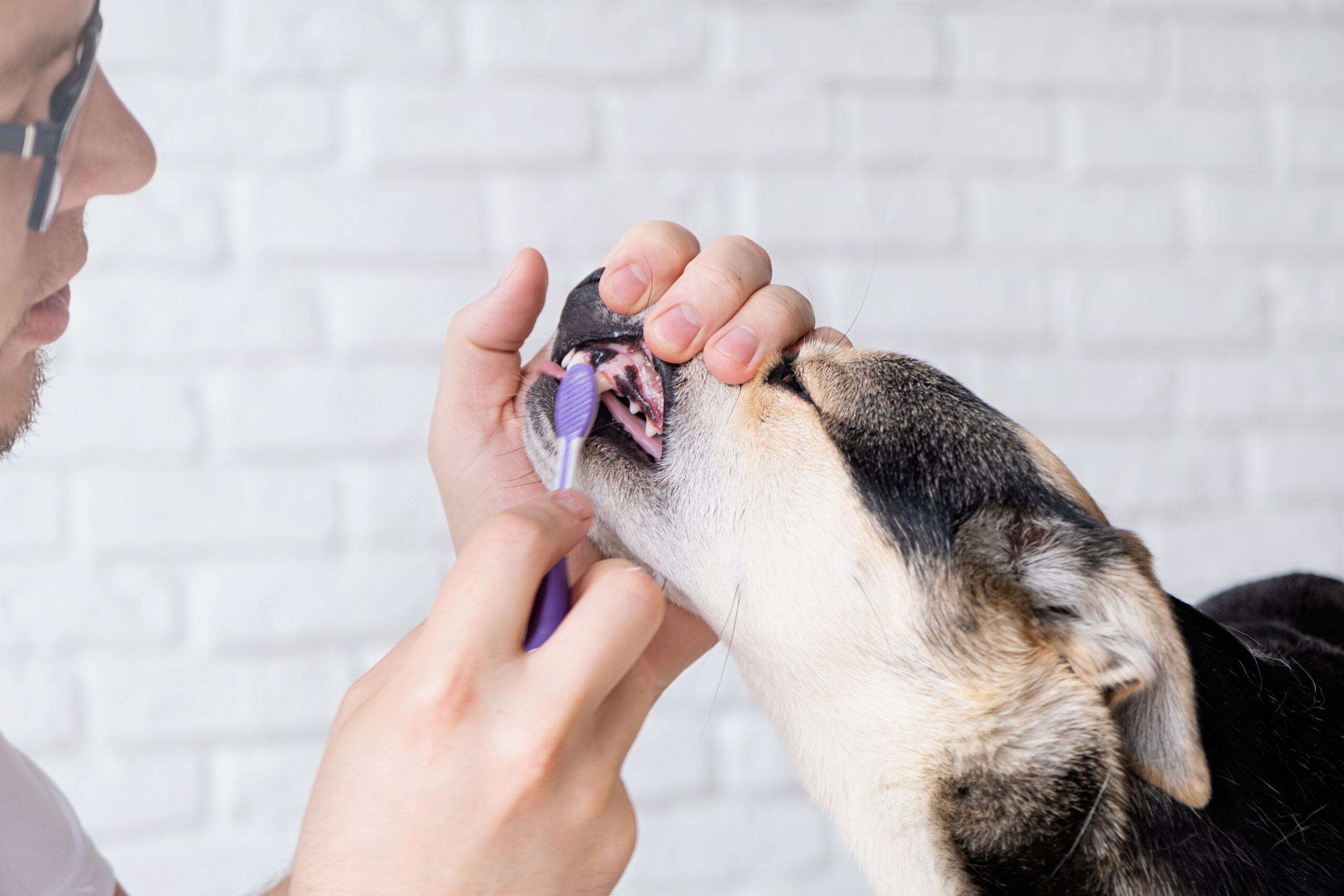
Maintaining your dog’s dental health is more than just a cosmetic concern; it is vital for their overall well-being. Dogs, like humans, can suffer from plaque buildup, gum disease, and other dental issues that can affect their general health. Fortunately, with a few simple tricks, you can keep your furry friend’s teeth clean and healthy.
1. Brush Your Dog’s Teeth Regularly
First and foremost, brushing your dog’s teeth is the most effective way to prevent plaque buildup and gum disease. Start slowly by letting your dog get used to the toothbrush and toothpaste. Use only dog-specific toothpaste, as human toothpaste can be toxic for pets. Aim to brush at least two to three times per week, but daily brushing provides the best results.
Tip: Choose a toothbrush designed for dogs. Some have angled heads or soft bristles that reach tricky areas in the mouth more effectively.
2. Use Dental Chews and Toys
In addition to brushing, dental chews and toys can help reduce plaque and tartar naturally. Chewing stimulates saliva production, which washes away food particles and bacteria. Toys with ridges or textured surfaces also massage the gums and prevent plaque buildup.
Tip: Always supervise your dog while chewing to prevent choking, and choose chews appropriate for their size and chewing strength.
3. Incorporate Dental-Friendly Diet
Your dog’s diet plays a critical role in dental health. Dry kibble can help scrape off some plaque, unlike soft wet food. Additionally, some dog foods are specifically formulated to support dental health with ingredients that reduce tartar accumulation.
Tip: Avoid giving your dog sugary or sticky human foods, as they accelerate tooth decay and gum disease.
4. Schedule Regular Vet Dental Checkups
Regular veterinary checkups are vital for monitoring your dog’s oral health. Your vet can detect early signs of periodontal disease, broken teeth, or infections before they become serious problems. Professional cleanings under anesthesia may also be necessary for dogs prone to dental issues.
Tip: Ask your vet to demonstrate proper brushing techniques and recommend dental products suitable for your dog’s breed and age.
5. Monitor Signs of Dental Problems
Early detection of dental problems can save your dog from pain and costly procedures. Watch for symptoms such as bad breath, red or bleeding gums, excessive drooling, difficulty chewing, or loose teeth. Promptly addressing these signs ensures a healthier mouth and avoids more severe complications like infections or systemic issues.
Tip: Keep a dental journal to track any changes in your dog’s oral health. This record can help your vet spot trends and adjust care plans accordingly.
6. Use Water Additives and Oral Sprays
Water additives and oral sprays are convenient supplements to regular brushing. They help reduce bacteria in the mouth, freshen breath, and prevent plaque formation. These products are especially useful for dogs who resist brushing or have sensitive teeth.
Tip: Look for products approved by veterinary dental organizations for the best safety and effectiveness.
7. Make Dental Care a Positive Experience
Consistency is key to maintaining dental health, but it must be paired with positive reinforcement. Reward your dog with praise, treats, or playtime after brushing or chewing. This encourages cooperation and reduces anxiety during dental routines.
Tip: Start with short, gentle sessions and gradually increase the duration as your dog becomes comfortable.
In conclusion, maintaining your dog’s dental health requires a combination of consistent brushing, dental chews, proper diet, regular vet visits, and monitoring for early warning signs. Incorporating these strategies not only keeps your dog’s teeth clean and strong but also enhances their overall well-being. For those looking for professional support, dog dental care in Wildwood, MO, provides expert services to ensure your furry friend’s smile stays bright and healthy.
FAQs
Q1. How often should I brush my dog’s teeth?
Ans. Ideally, daily brushing is best. If that’s not possible, aim for at least two to three times per week.
Q2. Can I use human toothpaste for my dog?
Ans. No. Human toothpaste contains fluoride and other ingredients that are toxic to dogs. Use only dog-specific toothpaste.
Q3. What age should I start brushing my dog’s teeth?
Ans. You can start as early as puppyhood. Early dental habits help dogs accept brushing more easily.
Q4. Are dental chews enough to keep my dog’s teeth healthy?
Ans. Dental chews help reduce plaque, but should not replace brushing. A combination of both is most effective.
Q5. How do I know if my dog has a dental problem?
Ans. Signs include bad breath, red or bleeding gums, difficulty chewing, excessive drooling, or loose teeth.
Q6. Can diet alone maintain my dog’s dental health?
Ans. No. While a dental-friendly diet helps, it should be combined with brushing, chews, and regular vet checkups for optimal oral care.