Open 7 days a week, 8 AM to 8 Pm

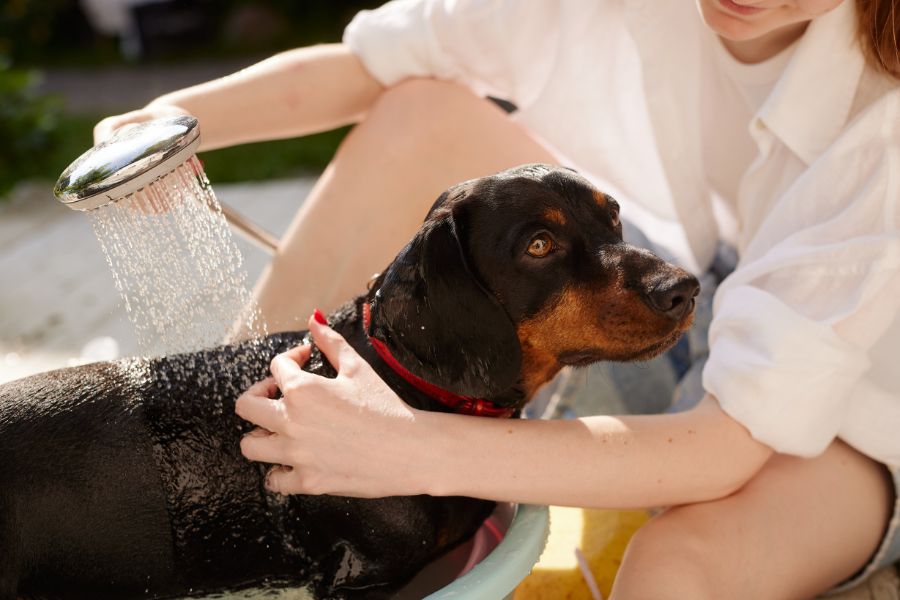
Summer can be a fun season for dogs, but rising temperatures can quickly become dangerous if your pet gets too hot. Knowing how to keep your dog cool in summer is one of the most important parts of protecting their health during hot weather. From dehydration to heatstroke, overheating can happen faster than many pet owners realize, especially during outdoor walks, playtime, or car rides.
In this guide, you’ll learn the warning signs of overheating in dogs, practical ways to keep your pet safe in the heat, and what to do if your dog shows symptoms of heat exhaustion or heatstroke. These simple tips can help your dog stay healthy, comfortable, and active all summer long.
Why Summer Heat Can Be Dangerous for Dogs?
Dogs do not cool down the same way humans do. While people sweat through their skin, dogs mainly regulate body temperature through panting and limited sweating through their paw pads. This makes them more vulnerable to high temperatures and humidity.
Certain dogs are at even greater risk of overheating, including:
- Puppies and senior dogs
- Overweight pets
- Flat-faced breeds like Bulldogs and Pugs
- Dogs with heart or breathing problems
- Thick-coated breeds such as Huskies and Golden Retrievers
Even a short period in extreme heat can lead to heat exhaustion or life-threatening heatstroke.
Common Signs of Overheating in Dogs
Recognizing the early signs of overheating can prevent a medical emergency. Symptoms often begin mildly and become more severe if the dog cannot cool down.
Early Signs of Overheating
Watch for these common symptoms:
- Excessive panting
- Heavy drooling
- Bright red gums or tongue
- Increased thirst
- Weakness or tiredness
- Restlessness
- Rapid heartbeat
Dogs may also seek shade, lie on cool surfaces, or avoid movement when they feel overheated.
Serious Signs of Heatstroke
Heatstroke is a medical emergency that requires immediate veterinary care. Severe symptoms include:
- Vomiting or diarrhea
- Confusion or disorientation
- Difficulty walking
- Collapse
- Seizures
- Loss of consciousness
If your dog shows these symptoms, act quickly and contact a veterinarian immediately.
How to Keep Your Dog Cool in Summer?
Preventing overheating is much easier than treating it. These practical summer safety tips can help protect your dog during warm weather.
Provide Plenty of Fresh Water
Hydration is essential during summer months. Make sure your dog always has access to clean, cool water indoors and outdoors.
Helpful hydration tips include:
- Refill water bowls often
- Bring portable water bottles on walks
- Add ice cubes to outdoor bowls
- Offer water breaks during playtime
Some dogs enjoy frozen treats made with pet-safe fruits or low-sodium broth.
Avoid Midday Walks
The hottest part of the day is usually between 10 a.m. and 4 p.m. Walking your dog during these hours increases the risk of overheating and burned paw pads.
Instead:
- Walk early in the morning
- Choose evening walks after sunset
- Stick to shaded paths or grassy areas
Before heading outside, test the pavement with your hand. If it feels too hot for you, it is too hot for your dog’s paws.
Create Cool Resting Areas
Dogs need a cool place to relax after outdoor activities.
You can help by:
- Keeping indoor spaces air-conditioned
- Using cooling mats or damp towels
- Providing shaded outdoor areas
- Setting up fans in resting spaces
Tile floors and elevated dog beds can also help improve airflow and comfort.
Never Leave Your Dog in a Parked Car
One of the most dangerous summer mistakes is leaving a dog inside a vehicle, even for a few minutes.
Temperatures inside cars rise extremely fast, even with cracked windows. On a warm day, the inside of a vehicle can become deadly within minutes.
If you need to run errands, leave your dog safely at home instead.
Use Dog-Friendly Cooling Products
Many pet cooling products can help lower body temperature safely.
Popular options include:
- Cooling vests
- Cooling bandanas
- Elevated mesh beds
- Portable pet fans
- Kiddie pools for supervised play
These products can be especially helpful for active dogs or breeds sensitive to heat.
Groom Your Dog Properly
Regular grooming can help dogs stay comfortable during summer.
Brush your dog often to remove excess fur and prevent matting. However, avoid shaving double-coated breeds unless recommended by your veterinarian, since their coats help regulate temperature and protect against sun exposure.
Professional grooming can improve airflow through the coat while maintaining healthy skin protection.
Limit Intense Outdoor Activity
Exercise is important, but strenuous activity during high temperatures can quickly lead to overheating.
Instead of long hikes or afternoon runs:
- Keep play sessions shorter
- Take frequent breaks
- Choose indoor games on extremely hot days
- Watch closely for signs of fatigue
Swimming can also be a safe way for many dogs to stay active and cool, as long as they are supervised around water.
What to Do If Your Dog Is Overheating?
If you think your dog may be overheating, immediate action is critical.
Step 1: Move Your Dog to a Cooler Area
Bring your dog indoors or into shade immediately. Turn on fans or air conditioning if possible.
Step 2: Offer Cool Water
Provide small amounts of cool water. Do not force your dog to drink large quantities at once.
Step 3: Lower Body Temperature Safely
Use cool, not ice-cold, water on areas such as:
- Paw pads
- Belly
- Neck
- Armpits
You can use wet towels or a gentle hose spray. Avoid ice baths, which may cause shock.
Step 4: Contact a Veterinarian
Even if your dog appears to recover, overheating can cause internal damage. Veterinary evaluation is important to ensure your pet is safe.
Breeds That Need Extra Summer Care
Some dogs are naturally more sensitive to heat and require additional precautions.
Flat-Faced Breeds
Breeds like:
- Pugs
- French Bulldogs
- Boston Terriers
- Shih Tzus
often struggle to cool themselves because of shortened airways.
Thick-Coated Breeds
Dogs with dense coats can trap heat more easily, including:
- Huskies
- Saint Bernards
- Chow Chows
Senior Dogs and Puppies
Older dogs and young puppies may not regulate body temperature efficiently and should be monitored closely during warm weather.
Summer Safety Tips for Outdoor Adventures
If you plan outdoor activities with your dog this summer, preparation is important.
Bring a Summer Safety Kit
Include:
- Portable water bowl
- Extra drinking water
- Cooling towel
- Pet-safe sunscreen
- First aid supplies
Watch Humidity Levels
High humidity makes it harder for dogs to cool themselves through panting. Even moderate temperatures can become dangerous when humidity is high.
Protect Against Sunburn
Dogs with light-colored fur or exposed skin can develop sunburn. Pet-safe sunscreen may help protect sensitive areas like the nose and ears.
When to Call the Vet Immediately
Seek emergency veterinary care if your dog:
- Stops panting suddenly
- Cannot stand or walk
- Has pale or blue gums
- Experiences vomiting or seizures
- Becomes unresponsive
Fast treatment can save your dog’s life and reduce the risk of serious complications.
Conclusion
Knowing how to keep your dog cool in summer can help prevent dangerous heat-related illnesses and keep your pet comfortable all season long. Paying attention to hydration, limiting heat exposure, and recognizing the signs of overheating early are simple steps that make a big difference in your dog’s safety. If you have questions about summer pet care or notice signs of overheating in your dog, contact your Kirkwood vet at Fox Creek Veterinary Hospital for professional guidance and care.
FAQs
Q1: What temperature is too hot for dogs outside?
Ans: Dogs can begin overheating in temperatures above 85°F, especially with high humidity. Flat-faced breeds and senior dogs may struggle even at lower temperatures.
Q2: How can I tell if my dog is overheating?
Ans: Common signs include heavy panting, drooling, weakness, red gums, vomiting, and confusion. Severe overheating may lead to collapse or seizures.
Q3: Can dogs get heatstroke indoors?
Ans: Yes. Poor ventilation, lack of air conditioning, or hot enclosed spaces can cause overheating indoors, especially during heat waves.
Q4: Is ice water safe for overheated dogs?
Ans: Cool water is safest. Extremely cold or ice water may cool the body too quickly and can sometimes cause complications.
Q5: What dog breeds are most sensitive to heat?
Ans: Flat-faced breeds like Bulldogs and Pugs, thick-coated dogs, puppies, senior pets, and overweight dogs are more prone to overheating in summer.