Open 7 days a week, 8 AM to 8 Pm

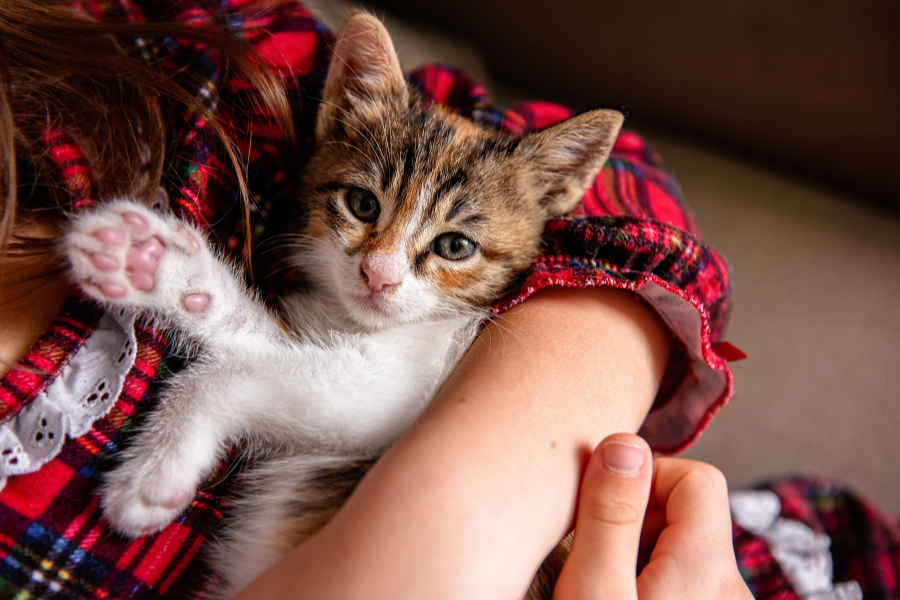
Bringing home a kitten is one of life’s sweetest moments. Those tiny paws, playful jumps, and curious eyes make every day exciting. Along with the fun comes an important responsibility: making sure your kitten grows into a healthy, happy adult cat. The first year of life is a critical time for development. Proper wellness care during these early months helps prevent illness, supports strong growth, and builds the foundation for a long life. This ultimate kitten wellness checklist covers everything your veterinarian wants you to know, from vaccines and nutrition to socialization and safety.
1. Schedule Your Kitten’s First Vet Visit Early
Your kitten’s first veterinary visit should happen within the first week of bringing them home. This appointment helps your vet check your overall health and catch any issues early.
During the first visit, your kitten may receive:
- A full physical exam
- Weight and growth evaluation
- Parasite screening
- Vaccine planning
- Nutrition guidance
For families, early care is one of the best steps you can take for lifelong wellness.
2. Follow a Complete Vaccination Schedule
Vaccines protect kittens from serious and sometimes deadly diseases. Because kittens have developing immune systems, they need a series of shots during their first months.
Core kitten vaccines usually include:
- FVRCP (feline distemper, herpesvirus, calicivirus)
- Rabies vaccine
Most kittens begin vaccines around 6–8 weeks of age, followed by boosters every few weeks until about 16 weeks. Your veterinarian will build a schedule based on your kitten’s lifestyle and risk level.
3. Don’t Skip Deworming and Parasite Prevention
Parasites are extremely common in kittens, even indoor ones. Many kittens are born with worms passed from their mother.
Parasite prevention includes:
- Deworming treatments
- Flea and tick prevention
- Heartworm prevention (yes, cats can get heartworm, too)
Routine stool testing is also important in the first year. If you’re focused on complete puppy and kitten care, parasite control is a must for keeping your home and pets safe.
4. Feed the Right Nutrition for Healthy Growth
Kittens grow fast, and they need the right balance of protein, fat, vitamins, and minerals.
Nutrition tips:
- Feed a high-quality kitten-specific food
- Offer multiple small meals per day
- Provide fresh, clean water at all times
- Avoid cow’s milk (it can upset their stomach)
Your vet can help you choose the best diet based on breed, size, and energy level.
5. Create a Safe and Comfortable Home Setup
Kittens are curious explorers, which means safety is essential.
Kitten-proof your home by:
- Hiding electrical cords
- Keeping toxic plants out of reach
- Securing cleaning supplies
- Blocking small spaces where kittens can get stuck
Essentials for comfort include:
- A cozy bed
- Food and water bowls
- A litter box
- Scratching posts
- Safe toys
A secure environment supports both physical and emotional wellness.
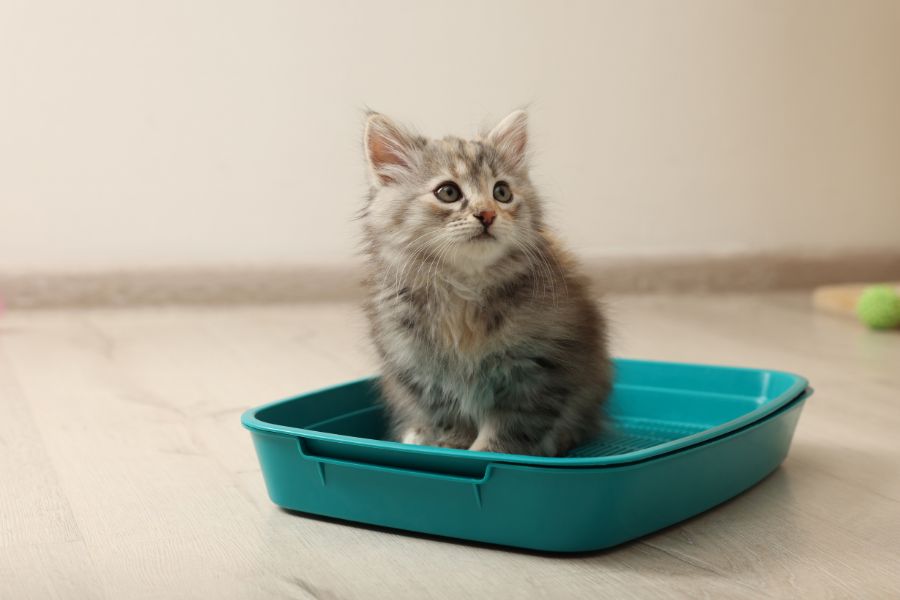
6. Start Litter Box Training and Hygiene Early
Most kittens naturally learn litter box habits quickly, but setup matters.
Litter box best practices:
- Use a low-sided box for easy access
- Scoop daily to keep it clean
- Place it in a quiet, low-traffic area
- Avoid strong-scented litter
Good hygiene also includes gently wiping paws if needed and keeping bedding clean.
7. Microchipping and Identification Are Essential
Even indoor kittens can slip out the door unexpectedly. Microchipping provides permanent identification if your cat is ever lost.
Benefits of microchipping:
- Quick reunification with owners
- Permanent and safe
- Works even if collars fall off
Many animal hospitals in Kirkwood, MO, offer microchipping during a routine visit.
8. Spay or Neuter at the Right Time
Spaying or neutering helps prevent unwanted litters and offers health benefits.
Common benefits include:
- Reduced risk of certain cancers
- Less roaming behavior
- Lower chance of spraying in males
- Reduced yowling and stress
Most kittens are spayed or neutered around 5–6 months, but your vet will recommend the best timing.
9. Support Healthy Socialization and Behavior
Early social experiences shape your kitten’s personality.
Help your kitten adjust by:
- Gentle handling every day
- Introducing new sounds and environments slowly
- Encouraging play and bonding
- Avoiding rough play with hands
Positive socialization reduces fear and aggression later in life.
10. Dental Care Starts in Kittenhood
Dental disease is one of the most common health issues in cats, and prevention should begin early.
Kitten dental wellness includes:
- Checking baby teeth during exams
- Introducing tooth brushing gradually
- Offering dental-safe chews or treats
Routine dental care keeps gums healthy and prevents painful infections.
11. Keep Up With Regular Wellness Exams
Wellness visits are not just for vaccines; they help track your kitten’s growth and catch problems early.
Routine exams help monitor:
- Weight and body condition
- Heart and lung health
- Skin and coat condition
- Developmental milestones
12. Watch for Signs of Illness in Kittens
Kittens can get sick quickly, so knowing what to look for matters.
Call your vet if you notice:
- Sneezing or discharge
- Diarrhea or vomiting
- Loss of appetite
- Lethargy
- Trouble breathing
- Sudden behavior changes
Prompt care can prevent minor concerns from becoming serious.
Building a Strong Start for a Lifetime of Health
Kittenhood goes by fast, but the care you provide now has lifelong benefits. By following this wellness checklist, staying on schedule with vet visits, and focusing on preventive care, you’re giving your kitten the healthiest future possible.
If you’re in Kirkwood, MO, and want expert support with puppy and kitten care, the experienced team at Fox Creek Veterinary Hospital is here to guide you through every stage of growth.
FAQs
1. When should my kitten have their first vet visit?
Ans: Your kitten should see a veterinarian within the first week of coming home, ideally around 6–8 weeks of age.
2. What vaccines do kittens need?
Ans: Most kittens need FVRCP and rabies vaccines, along with booster shots during the first few months.
3. Do indoor kittens need flea prevention?
Ans: Yes, fleas can enter your home on clothing or other pets, so prevention is still important.
4. What is the best food for kittens?
Ans: A high-quality kitten-specific formula is best because it supports rapid growth and development.
5. When should I spay or neuter my kitten?
Ans: Most kittens are spayed or neutered around 5–6 months, but your vet will recommend the right timing.
6. How often should kittens go to the vet in the first year?
Ans: Kittens usually visit every 3–4 weeks until vaccine boosters are complete, then transition to annual wellness exams.