Open 7 days a week, 8 AM to 8 Pm


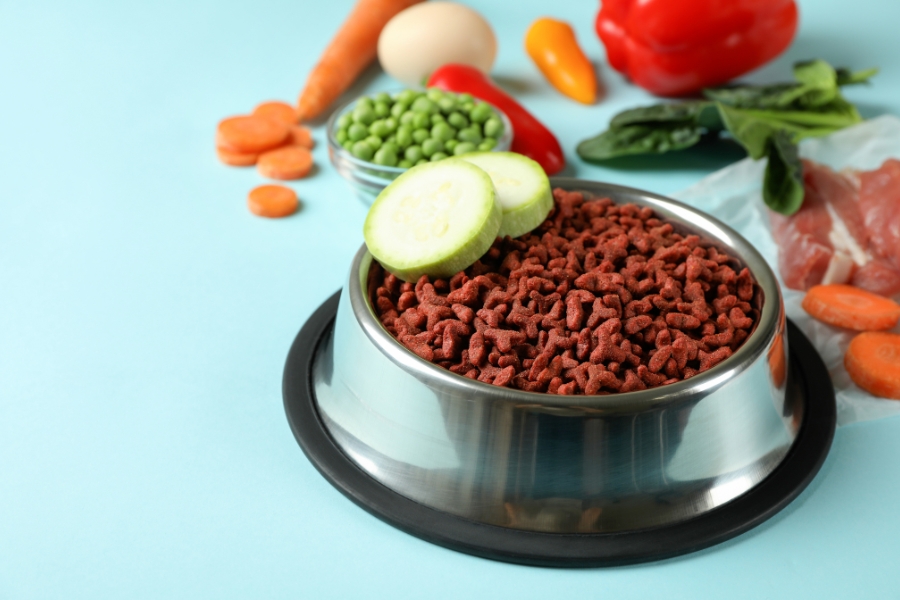
As dogs age, their nutritional needs change. Senior dogs often require specific dietary considerations to maintain their health, energy levels, and quality of life. Choosing the right food can make a significant difference in your senior dog’s well-being, ensuring they stay active, healthy, and comfortable in their golden years. In this guide, we’ll explore the healthiest food options for senior dogs and what to look for in a senior dog food formula.
1. Why Senior Dogs Need Special Nutrition
As your dog matures, their metabolism slows down, and their digestive system may not absorb nutrients as efficiently as it once did. Senior dogs also experience changes in muscle mass, joint health, and even their coat condition. Their nutritional needs has to be there to support their aging bodies, prevent obesity, maintain healthy organs, and reduce inflammation.
The best senior dog food formulas focus on ingredients that help maintain muscle mass, improve digestion, and support joint health. Additionally, they should be lower in calories and fat to prevent excessive weight gain, which is common in older dogs.
2. Key Nutrients for Senior Dogs
When selecting food for your senior dog, certain nutrients are essential to meet their unique needs. Here are some of the most important:
Protein
Protein is vital for maintaining muscle mass and overall body condition. Senior dogs require high-quality protein to keep their muscles strong and support immune health. Look for dog food that includes lean protein sources such as chicken, turkey, or fish. Avoid foods with low-quality protein fillers, as they do not provide the necessary nutrients.
Fatty Acids
Fatty acids, particularly omega-3 and omega-6, are essential for senior dogs. These healthy fats help reduce inflammation, support joint health, and promote a shiny, healthy coat. Omega-3 fatty acids, found in fish oils or flaxseed, are especially beneficial for senior dogs, as they help support cognitive function and heart health.
Fiber
As dogs age, their digestive systems may become less efficient. Fiber is essential for regulating digestion and preventing constipation. Look for senior dog food that contains natural sources of fiber, such as pumpkin, sweet potatoes, or brown rice. Fiber also helps maintain a healthy weight by promoting satiety.
Glucosamine and Chondroitin
Joint health is a critical concern for senior dogs, especially those who may develop arthritis or experience discomfort from aging joints. Foods with added glucosamine and chondroitin can help improve mobility and reduce joint inflammation. These ingredients support cartilage health and help alleviate symptoms of joint pain.
Antioxidants
Antioxidants, such as vitamins C and E, help protect your senior dog’s body from oxidative stress. They boost the immune system and combat the effects of aging. Many senior dog foods contain added antioxidants like blueberries, cranberries, or spinach to support your dog’s overall health and longevity.
3. Wet vs. Dry Food for Senior Dogs
When choosing food for your senior dog, you’ll likely encounter both wet and dry options. Both have their pros and cons, so it’s essential to choose the right one based on your dog’s preferences and health needs.
Wet Food
Wet food is often easier for senior dogs to eat, especially those with dental issues or reduced appetite. It is typically more palatable, which can encourage senior dogs to eat more. Wet food is also higher in moisture content, which can be beneficial for dogs who are prone to urinary issues or dehydration.
However, wet food tends to be more expensive and doesn’t provide the same dental benefits as dry food, as it doesn’t help scrape plaque off the teeth.
Dry Food
Dry food, on the other hand, is more cost-effective and can promote better dental health by helping to reduce tartar buildup. Many senior dogs also prefer the texture of kibble. However, it can be harder for some senior dogs to chew, especially if they have dental issues or arthritis in their jaws. If you choose dry food, look for kibble that’s designed for senior dogs and has easily digestible ingredients.
4. Senior Dog Foods
Many pet food brands now offer formulas that are designed especially for senior dogs, which cater to their unique nutritional requirements. These formulas often have adjusted calorie levels, higher fiber content, and added joint supplements. You may also find foods with probiotics for better digestion or special blends for specific health concerns, like kidney or heart health.
Some senior dogs may have food allergies or sensitivities, so it’s important to select a food that doesn’t contain ingredients that could irritate your dog’s stomach or skin. Always check the ingredient list for any allergens or fillers like corn, wheat, or soy.
5. Homemade Food for Senior Dogs
If you prefer to prepare homemade meals for your dog, it’s important to consult with your vet or a pet nutritionist. Homemade food allows you to control the quality of ingredients, but it must be balanced to meet all of your dog’s nutritional needs. Some senior dogs may benefit from fresh, home-cooked meals that contain lean meats, vegetables, and grains, but be cautious not to over-supplement or use inappropriate ingredients like garlic or onions, which are toxic to dogs.
6. Monitoring Weight and Portion Control
Obesity is a common issue in senior dogs, and it can lead to several health problems, including diabetes, joint pain, and heart disease. It’s important to monitor your dog’s weight and adjust their food intake based on their activity level and overall health.
Many senior dog foods are formulated with fewer calories to help prevent weight gain, but portion control is still essential. Follow the feeding guidelines provided by the manufacturer and consult your vet for recommendations based on your dog’s specific health needs.
Choosing the right food for your senior dog involves understanding their changing nutritional needs and selecting a food that supports their aging bodies. Focus on foods that provide high-quality protein, healthy fats, fiber, joint support, and antioxidants. Whether you choose wet or dry food, ensure it’s designed for senior dogs and tailored to their specific health requirements. For those living in Kirkwood, MO, senior dog care involves a comprehensive approach that includes proper nutrition, regular vet visits, and a healthy lifestyle to ensure your dog enjoys their golden years with comfort and vitality.
FAQs
Q1. How do I know if my senior dog is overweight?
Ans. Look for signs like difficulty breathing, lethargy, or noticeable changes in their body shape. If in doubt, consult your vet for a proper assessment.
Q2. Can I feed my senior dog a mix of wet and dry food?
Ans. Yes, many pet owners feed their senior dogs a combination of wet and dry food to balance convenience, palatability, and dental health benefits.
Q3. What are the best ingredients to look for in senior dog food?
Ans. Look for high-quality proteins, omega-3 fatty acids, glucosamine, chondroitin, fiber, and antioxidants to support your dog’s aging body.
Q4. Can senior dogs eat regular adult dog food?
Ans. While adult dog food can be okay for some senior dogs, it may not meet their specific nutritional needs. Senior formulas are typically better suited for older dogs.
Q5. How often should I feed my senior dog?
Ans. It depends on your dog’s size and health, but most senior dogs do well with two meals a day. Consult your vet for personalized feeding recommendations.
Q6. Can homemade food be better for my senior dog?
Ans. Homemade food can be a healthy option if properly balanced, but it’s essential to work with a vet or pet nutritionist to ensure it meets your dog’s nutritional needs.