Open 7 days a week, 8 AM to 8 Pm

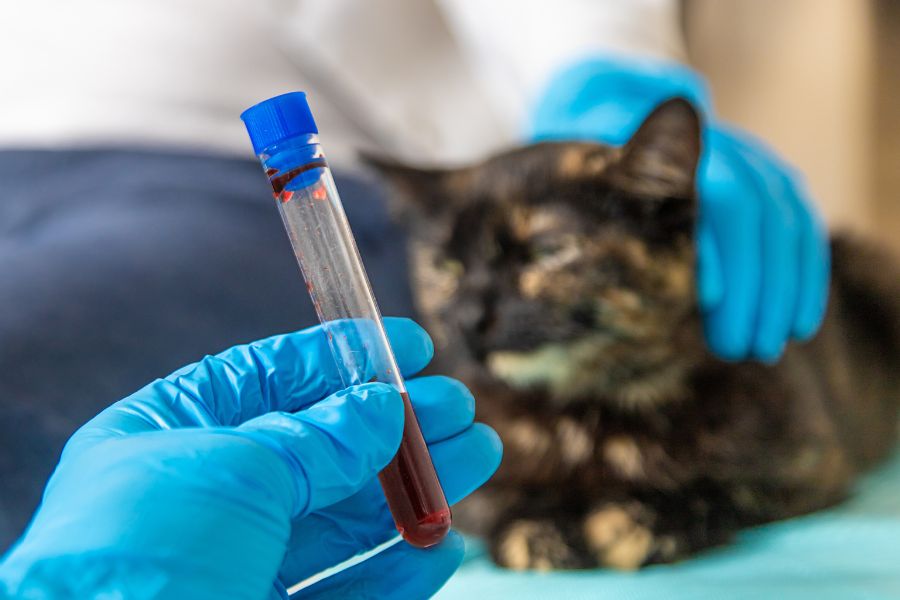
A pet blood test can reveal a surprising amount about your dog or cat’s health, often before visible symptoms appear. From checking organ function to spotting infections, anemia, diabetes, and dehydration, bloodwork helps veterinarians understand what is happening inside your pet’s body.
In this guide, you’ll learn what common pet blood test results mean, why vets recommend them during wellness exams or before surgery, and how these tests help detect health issues early. Understanding the basics of bloodwork can help you feel more informed and confident about your pet’s care.
Why Pet Blood Tests Matter?
Many illnesses in pets develop quietly. Dogs and cats are very good at hiding pain or discomfort, which means a pet may appear healthy even when something is wrong internally. A pet blood test gives veterinarians a closer look at your pet’s overall health.
Blood tests are commonly used to:
- Detect disease early
- Monitor chronic conditions
- Evaluate organ function
- Identify infections or inflammation
- Check hydration levels
- Confirm whether a pet is healthy enough for surgery
- Track how well treatments are working
Routine bloodwork is especially important for senior pets because age-related conditions often develop gradually.
What Happens During a Pet Blood Test?
The process is usually quick and minimally stressful. A veterinarian or technician collects a small blood sample, often from a leg vein or neck vein. The sample is then analyzed either in-house or at a veterinary laboratory.
Most results fall into two major categories:
- Complete Blood Count (CBC)
- Blood Chemistry Panel
Together, these tests provide a detailed picture of your pet’s health.
Understanding a Complete Blood Count (CBC)
A CBC focuses on your pet’s blood cells. It helps vets detect infections, inflammation, immune disorders, and anemia.
Red Blood Cells
Red blood cells carry oxygen throughout the body. If levels are too low, your pet may have anemia.
Low red blood cell counts can indicate:
- Blood loss
- Internal bleeding
- Nutritional deficiencies
- Chronic disease
- Parasites
High red blood cell counts may suggest dehydration or other medical conditions.
Signs associated with abnormal red blood cell levels may include:
- Weakness
- Pale gums
- Fatigue
- Rapid breathing
White Blood Cells
White blood cells help fight infection and support the immune system.
Elevated white blood cells may point to:
- Bacterial infections
- Inflammation
- Stress responses
- Immune system disorders
Low white blood cell counts can sometimes indicate viral disease or bone marrow problems.
Platelets
Platelets are responsible for blood clotting.
Low platelet counts may increase the risk of bleeding and bruising. Certain infections, immune diseases, or tick-borne illnesses can affect platelet levels.
What a Blood Chemistry Panel Reveals?
A chemistry panel evaluates organs, hormones, and electrolytes. This part of a pet blood test helps veterinarians assess how well your pet’s body systems are functioning.
Liver Function
The liver filters toxins, supports digestion, and processes nutrients.
Elevated liver enzymes may indicate:
- Liver disease
- Toxin exposure
- Infection
- Inflammation
- Medication side effects
Abnormal liver values do not always mean severe disease, but they often signal the need for further testing.
Kidney Function
Kidneys remove waste products and maintain fluid balance.
Blood tests measure substances like:
- Blood urea nitrogen (BUN)
- Creatinine
- SDMA
High values may suggest kidney disease or dehydration.
Kidney disease is particularly common in older cats and senior dogs, which is why routine wellness bloodwork is important.
Blood Sugar Levels
Glucose levels help identify diabetes and other metabolic conditions.
High blood sugar may be linked to:
- Diabetes mellitus
- Stress
- Hormonal disorders
Low blood sugar can occur in puppies, kittens, diabetic pets receiving insulin, or pets with certain illnesses.
Electrolytes
Electrolytes include sodium, potassium, and chloride. These minerals are critical for muscle function, hydration, and nerve signaling.
Abnormal electrolyte levels may indicate:
- Dehydration
- Vomiting or diarrhea
- Kidney disease
- Hormonal disorders
Protein Levels
Protein values help assess hydration, liver function, inflammation, and nutritional status.
Changes in protein levels may point toward:
- Chronic infection
- Liver disease
- Kidney problems
- Gastrointestinal disease
Why Vets Recommend Blood Tests Before Surgery?
Pre-anesthetic bloodwork helps reduce surgical risks. Even if a pet seems healthy, hidden problems can affect how safely anesthesia is processed.
A pre-surgical pet blood test may uncover:
- Liver or kidney dysfunction
- Blood clotting issues
- Dehydration
- Infection
- Low blood sugar
These results allow veterinarians to adjust medications or anesthesia plans for safer procedures.
Blood Tests for Senior Pets
Senior pets benefit greatly from routine blood screening. Older dogs and cats are more likely to develop chronic diseases that may not show obvious symptoms early on.
Regular bloodwork can help detect:
- Kidney disease
- Diabetes
- Thyroid disorders
- Liver disease
- Cancer-related changes
- Arthritis-related inflammation
Early diagnosis often leads to more effective treatment and a better quality of life.
Can Blood Tests Detect Cancer in Pets?
A standard blood test usually cannot diagnose cancer by itself, but it can reveal abnormalities that raise concern.
For example, bloodwork may show:
- Elevated calcium levels
- Abnormal white blood cell counts
- Anemia
- Organ dysfunction
If results suggest a possible issue, your veterinarian may recommend imaging, biopsies, or additional specialized tests.
How Often Should Pets Have Bloodwork?
The frequency depends on your pet’s age, health status, and medical history.
General guidelines include:
- Healthy adult pets: Every 1 to 2 years
- Senior pets: Every 6 to 12 months
- Pets with chronic illness: As recommended by your veterinarian
- Before surgery: Before anesthesia
Routine testing helps establish a baseline, making it easier to spot subtle changes over time.
What Happens If Results Are Abnormal?
Abnormal results do not automatically mean your pet has a serious illness. Bloodwork is one piece of the diagnostic puzzle.
Veterinarians also consider:
- Physical exam findings
- Symptoms
- Medical history
- Imaging results
- Urinalysis
Sometimes mild abnormalities simply require monitoring and repeat testing later.
How to Prepare Your Pet for Bloodwork
Most pets tolerate blood testing very well. Your veterinarian may recommend fasting beforehand, especially if a chemistry panel is being performed.
Helpful tips include:
- Bring your pet calm and rested
- Follow fasting instructions carefully
- Share all medications and supplements
- Mention any recent symptoms or behavior changes
Staying informed helps you work together with your veterinary team.
Conclusion
A pet blood test gives veterinarians valuable insight into your pet’s internal health, often revealing problems long before symptoms appear. From evaluating organ function to detecting infections, anemia, diabetes, and chronic disease, bloodwork plays a major role in preventive care and early diagnosis.
Routine testing can help your pet live a healthier and longer life through earlier treatment and better monitoring. If your pet is due for wellness testing or pre-surgical bloodwork and looking for a reliable veterinary hospital, then contact Fox Creek Veterinary Hospital in Wildwood, Kirkwood, and Manchester, MO to schedule an appointment and discuss the best care plan for your companion.
FAQs
Q1: What can a pet blood test detect?
Ans: A pet blood test can detect infections, anemia, diabetes, kidney disease, liver disease, inflammation, dehydration, and other health conditions.
Q2: How long does it take to get pet blood test results?
Ans: Many veterinary clinics provide basic results within the same day, while specialized laboratory testing may take several days.
Q3: Does my pet need to fast before bloodwork?
Ans: Some blood tests require fasting for more accurate results. Your veterinarian will give you instructions before the appointment.
Q4: Are blood tests safe for pets?
Ans: Yes, blood tests are very safe and involve collecting only a small amount of blood. Most pets experience minimal discomfort.
Q5: How often should senior pets get blood tests?
Ans: Senior pets typically benefit from bloodwork every 6 to 12 months because they are more likely to develop age-related health conditions.