Open 7 days a week, 8 AM to 8 Pm

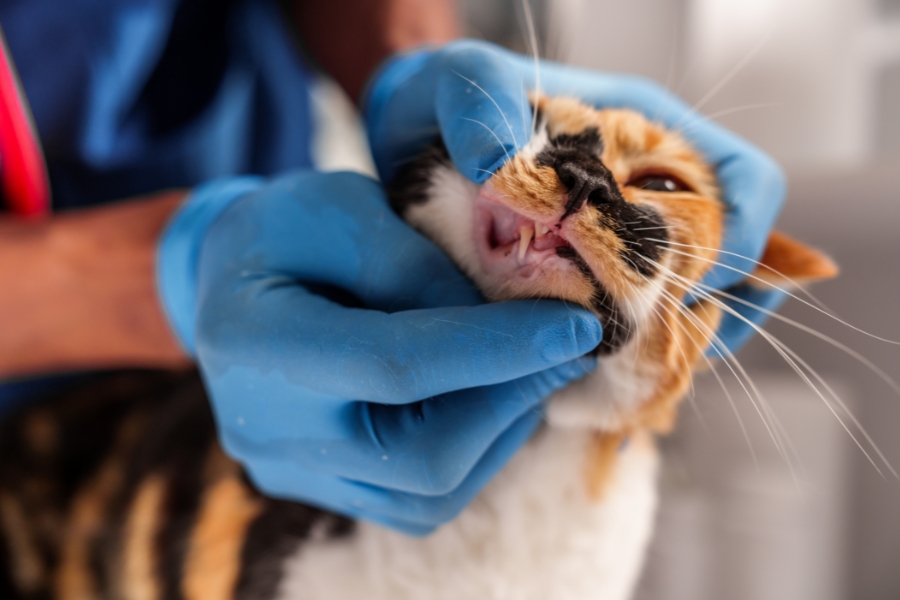
As a cat parent, you may already know how important proper nutrition, regular exercise, and routine veterinary visits are for your feline companion. One area that’s often overlooked, however, is dental health. Cats are masters at hiding discomfort, which allows dental disease to progress quietly before symptoms become noticeable. Maintaining good oral hygiene is one of the most effective ways to support your cat’s overall health and quality of life.
At Fox Creek Veterinary Hospital, we frequently treat cats with preventable dental conditions that could have been avoided through consistent at-home care and routine professional dental cleanings. Understanding the essentials of feline dental care can help you keep your cat’s teeth and gums healthy for years to come—especially for cat owners in Wildwood, MO.
Why Dental Health Matters for Cats
Dental disease is one of the most common medical conditions in cats, affecting nearly 70% of cats by the age of three. Plaque and tartar buildup can lead to gingivitis, periodontal disease, tooth loss, and painful infections.
More importantly, bacteria from the mouth can enter the bloodstream and affect vital organs such as the heart, liver, and kidneys. Good dental care doesn’t just protect your cat’s smile—it supports their entire body.
Signs Your Cat May Have Dental Problems
Cats rarely show obvious pain, so dental disease often goes unnoticed. Watch for these common warning signs:
- Bad breath
- Red or swollen gums
- Difficulty chewing or dropping food
- Pawing at the mouth
- Excessive drooling
- Decreased appetite or weight loss
If you notice any of these symptoms, a veterinary dental exam is strongly recommended.
How to Keep Your Cat’s Teeth Clean at Home
1. Brush Your Cat’s Teeth Regularly
Brushing is the gold standard of feline dental care. Use a cat-specific toothbrush and veterinary-approved toothpaste—never human toothpaste.
Start slowly by letting your cat get used to having their mouth touched. Gradually introduce brushing, aiming for at least 2–3 times per week. Daily brushing provides the best protection against plaque buildup.
2. Provide Dental-Friendly Food and Treats
Some prescription and over-the-counter dental diets are designed to reduce plaque and tartar mechanically as your cat chews. Dental treats approved by the Veterinary Oral Health Council (VOHC) can also support oral hygiene.
While treats help, they should never replace brushing or professional care.
3. Use Water Additives and Oral Rinses
Dental water additives are an easy, stress-free option for cats that resist brushing. These products help reduce bacteria in the mouth when added to your cat’s drinking water. Always consult your local veterinarian before introducing new dental products.
4. Schedule Professional Dental Cleanings
Even with excellent home care, professional dental cleanings are essential. Veterinary dental cleanings allow for plaque removal below the gumline—areas you simply can’t reach at home.
Your veterinarian can also identify hidden issues such as fractured teeth or infections early, preventing serious complications.
What to Expect During a Veterinary Dental Cleaning
A professional dental cleaning involves a thorough oral exam, scaling, polishing, and dental X-rays when needed. Because cats won’t tolerate these procedures while awake, cleanings are performed under anesthesia for safety and comfort.
Before the procedure, your veterinarian will perform bloodwork and a physical exam to ensure your cat is healthy enough for anesthesia.
How Often Should Your Cat Have a Dental Exam?
Most cats benefit from annual dental exams, while some may require more frequent cleanings depending on age, breed, and dental history. Your veterinarian will recommend a customized schedule based on your cat’s needs.
Local veterinarians in Wildwood, MO, emphasize prevention as the key to avoiding painful and costly dental conditions later in life.
If your cat shows signs of oral discomfort, changes in eating habits, or persistent bad breath, don’t wait. Dental disease worsens over time, and early treatment can make a significant difference.
Maintaining your cat’s dental health doesn’t have to be complicated. A combination of regular brushing, dental-friendly products, and professional cleanings can dramatically improve your cat’s comfort and longevity. If you’re unsure where to start, your veterinary team can guide you every step of the way.
Book an appointment at Fox Creek Veterinary Hospital and give your cat a healthier smile today.
FAQs
Q1. How often should I brush my cat’s teeth?
Ans. Ideally, your cat’s teeth should be brushed daily to prevent plaque buildup. If daily brushing isn’t possible, aim for at least 2–3 times per week using cat-safe toothpaste and a soft toothbrush.
Q2. Are dental treats enough to keep my cat’s teeth healthy?
Ans. Dental treats can help reduce plaque, but they should never replace brushing or professional cleanings. The best dental care combines home brushing, approved dental products, and routine veterinary exams.
Q3. At what age should cats start dental care?
Ans. Dental care should begin as early as possible—ideally during kittenhood. Early exposure to brushing helps cats tolerate oral care better and reduces the risk of dental disease later in life.
Q4. Is anesthesia safe for cat dental cleanings?
Ans. Yes, anesthesia is generally safe when proper precautions are taken. Before the procedure, your veterinarian will perform bloodwork and a physical exam to ensure your cat is healthy enough for anesthesia.
Q5. How do I know if my cat needs a professional dental cleaning?
Ans. Signs such as bad breath, red gums, difficulty eating, drooling, or pawing at the mouth often indicate dental disease. Even without symptoms, annual dental exams help determine if a cleaning is needed.
Q6. Can dental disease really affect my cat’s overall health?
Ans. Absolutely. Bacteria from dental infections can enter the bloodstream and impact vital organs like the heart, liver, and kidneys. Maintaining good oral health plays a key role in your cat’s overall well-being.