Open 7 days a week, 8 AM to 8 Pm

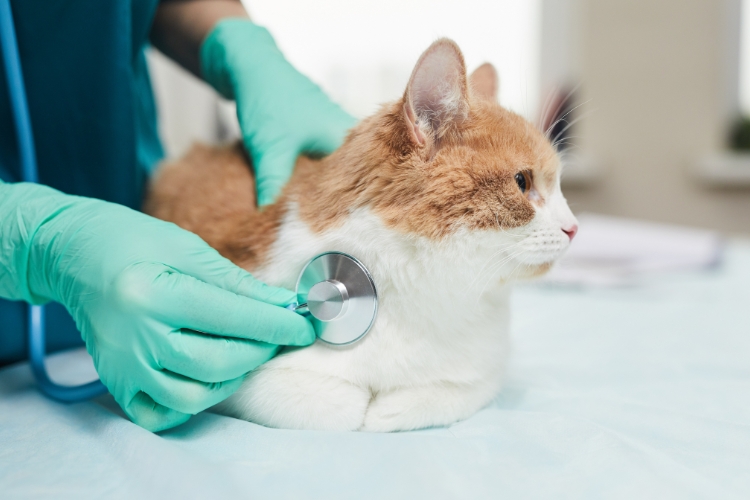
As a pet owner, your primary goal is to ensure that your pet lives a long, happy, and healthy life. Just like humans, pets require regular medical attention and care to maintain their health. This is where veterinarians come in. These dedicated professionals play a crucial role in the health and well-being of your pet, offering services that not only treat illnesses but also help prevent them before they become serious.
In Manchester, MO, many pet owners rely on the expertise of veterinarians to keep their animals healthy and happy. From routine check-ups to emergency interventions, vets are there to ensure your pet’s overall well-being. In this blog, we’ll explore how veterinarians help pets live longer, healthier lives, focusing on preventive care, early detection of diseases, and treatments that contribute to your pet’s overall health.
Preventive Care: A Key Factor in Long-Term Health
One of the primary ways veterinarians help pets is by providing preventive care. Just as we go for annual check-ups to ensure our health, pets also need regular visits to the veterinarian to maintain their well-being and avoid serious health issues. Preventive care is essential for identifying problems early and keeping your pet in top condition.
1. Regular Check-Ups and Health Assessments
Regular vet visits allow veterinarians to monitor your pet’s health, assess their weight, check their coat condition, and perform a thorough physical exam. These check-ups enable veterinarians to detect potential health problems early before they become more serious or harder to treat. For instance, heart issues, kidney disease, or skin infections may not be immediately noticeable but can be caught during routine examinations.
Additionally, your veterinarian will likely check your pet’s eyes, ears, teeth, and joints, paying attention to any changes that could indicate underlying issues. This proactive approach allows for timely intervention, which can prevent costly treatments down the line.
2. Vaccinations and Parasite Prevention
Vaccinations are an essential part of preventive care. Just as we receive vaccines to prevent diseases, pets also need regular vaccinations to protect them from serious illnesses, such as rabies, distemper, and parvovirus. Veterinarians help ensure that your pet is up to date with all necessary vaccinations to keep them healthy and safe from diseases.
Moreover, preventing parasites like fleas, ticks, and worms is another vital aspect of veterinary care. Regular flea and tick prevention helps protect your pet from skin irritations, infections, and other health complications. Deworming medications are also essential for preventing intestinal parasites that can harm your pet’s digestive system.
Early Detection: Catching Health Issues Before They Escalate
A significant benefit of regular visits to the veterinarian is early disease detection. Many health problems develop gradually and may not show immediate symptoms. However, routine check-ups and screenings enable the identification of potential issues before they become life-threatening or difficult to treat.
1. Screening for Chronic Conditions
As pets age, they become more susceptible to chronic conditions like arthritis, diabetes, and heart disease. Veterinarians use diagnostic tools like blood tests, X-rays, and ultrasounds to detect these conditions early. By catching these diseases in their early stages, your veterinarian can recommend treatments and lifestyle changes that can improve your pet’s quality of life and slow the progression of the disease.
For example, early diagnosis of kidney disease can help manage the condition and delay the need for more intensive treatments, ensuring your pet enjoys a longer, more comfortable life.
2. Cancer Detection and Monitoring
Cancer is one of the leading causes of death in pets, especially in older animals. Regular vet visits and examinations play a crucial role in detecting cancer early. Veterinarians are trained to recognize signs of cancer, such as lumps or changes in behavior, and can recommend appropriate diagnostic tests to confirm the diagnosis. Early detection can significantly improve the chances of successful treatment and extend your pet’s life.
Treatments from the Experts: Tailored Care for Unique Needs
In addition to routine care and early detection, veterinarians also provide treatments to address specific health issues that may arise in pets. These treatments are tailored to your pet’s needs, ensuring they receive the most appropriate care for their condition.
1. Surgical Interventions
Sometimes, surgery is necessary to treat injuries, tumors, or other conditions that cannot be managed with medication alone. Veterinarians are skilled in performing a variety of surgeries, from routine spaying and neutering to more complex procedures, such as orthopedic surgery, tumor removal, and abdominal surgeries. Advanced surgical techniques, such as laparoscopic surgery, minimize recovery time and reduce the risk of complications.
For example, if your pet requires orthopedic surgery due to joint issues or fractures, your vet will carefully plan the procedure and provide post-surgery care to ensure the best possible outcome for your pet.
2. Pain Management
As pets age, they may experience pain from conditions such as arthritis, hip dysplasia, or dental issues. Veterinarians are trained to manage pain and help improve your pet’s quality of life. Pain management can include medications, physical therapy, or alternative treatments such as acupuncture. With the right approach, your pet can remain active and comfortable, reducing the discomfort that often comes with aging.
For pets with chronic pain, regular pain management treatments are essential for ensuring that they can continue to enjoy a good quality of life.
Educating Pet Owners: Empowering You to Care for Your Pet
Veterinarians do more than just treat pets—they also educate pet owners on how to care for their animals between vet visits. From diet recommendations to behavioral advice, vets provide valuable guidance that empowers pet owners to take proactive steps in caring for their pets.
By educating pet owners on topics such as grooming, proper nutrition, dental care, and training, veterinarians help ensure that pets live healthier, longer lives. Understanding your pet’s needs and knowing how to address potential issues allows you to provide the best care possible.
In conclusion, veterinarians play an indispensable role in ensuring that pets live longer, healthier lives. Through preventive care, early disease detection, treatments, and education, vets provide the support and expertise that pets need to thrive. By maintaining regular vet visits and following their advice, you are giving your pet the best chance at a long, happy, and healthy life.
If you are in Manchester, MO, and looking for veterinarians, book an appointment with Fox Creek Veterinary Hospital. Our veterinary team is dedicated to providing compassionate and comprehensive care to keep your pets healthy and happy.
FAQs
Q1. How often should I take my pet to the veterinarian?
Ans. Most pets should visit the veterinarian at least once a year for a check-up. Senior pets or those with health issues may require more frequent visits.
Q2. What should I do if my pet is showing signs of illness?
Ans. If your pet shows signs of illness, such as lethargy, loss of appetite, or unusual behavior, contact your veterinarian for advice and an evaluation.
Q3. What vaccines does my pet need?
Ans. The vaccines your pet needs depend on their age, lifestyle, and health status. Common vaccines include rabies, distemper, and bordetella. Your veterinarian can recommend the appropriate vaccines.
Q4. How can I help prevent dental disease in my pet?
Ans. Regular dental care, including brushing your pet’s teeth, providing dental chews, and scheduling professional cleanings, helps prevent dental disease.
Q5. What should I do if my pet needs surgery?
Ans. If your pet needs surgery, your veterinarian will discuss the procedure, risks, and recovery process. Follow their instructions for post-surgery care to ensure a smooth recovery.
Q6. Are there any benefits to getting my pet spayed or neutered?
Ans. Spaying or neutering your pet helps prevent certain health problems, reduces the risk of unwanted behaviors, and contributes to overall pet population control.