Open 7 days a week, 8 AM to 8 Pm


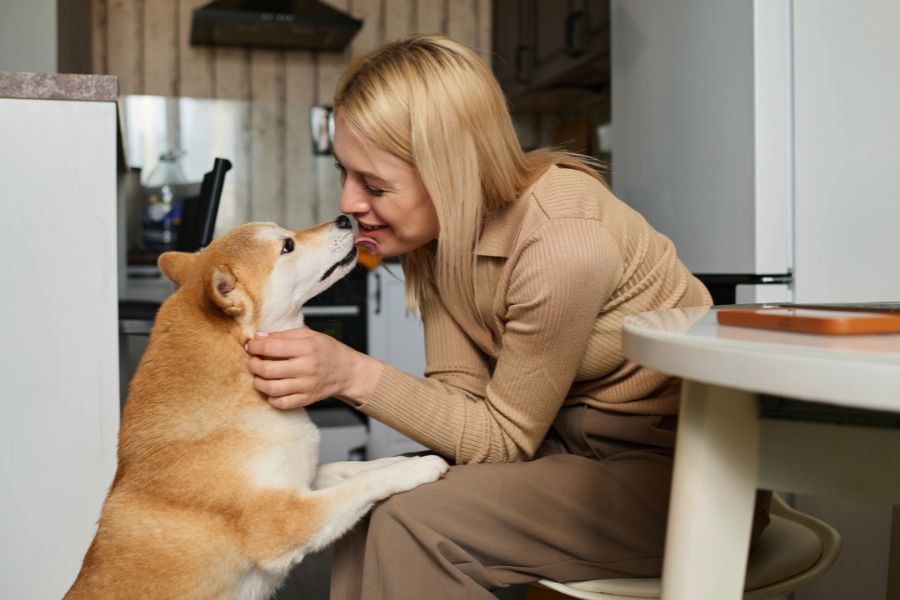
Bringing a new dog into your home, whether it’s a rescue or a puppy, can be both exciting and challenging. One of the most common questions dog owners have is how long it will take for their new pet to feel comfortable, settle in, and form a bond with their new family. The 3-3-3 rule for dogs provides a simple yet effective framework for understanding your dog’s adjustment period during the first three days, three weeks, and three months in their new home.
In Wildwood, MO, many pet owners look for guidance on how to ensure their newly adopted dogs settle in comfortably. The 3-3-3 rule for dogs helps set realistic expectations and provides helpful tips to navigate this important transition period. In this blog, we’ll dive into the rule, explain what happens during each stage, and provide tips for easing your dog’s adjustment to their new environment.
What is the 3-3-3 Rule for Dogs?
The 3-3-3 rule for dogs refers to a widely recognized guideline that describes the typical transition process for dogs after they’ve been adopted or brought into a new home. The rule breaks down the adjustment into three key stages:
- First 3 Days – Decompression
- First 3 Weeks – Adjustment
- First 3 Months – Building Confidence and Bonding
Understanding this rule helps pet owners in Wildwood, MO, prepare for the emotional and physical changes their dog may experience during this critical period. While every dog is unique, this rule provides a general framework to guide you through your dog’s adjustment.
Breakdown of the 3-3-3 Rule
1. First 3 Days: Decompression
The first three days in a new home can be overwhelming for a dog. This period is often referred to as the decompression phase, where your dog is adjusting to their new environment, smells, sounds, and routines. During these first 72 hours, your dog may experience stress, anxiety, or confusion as they adapt to their new surroundings.
Common behaviors you may notice during the decompression period include:
- Excessive sleeping
- Pacing or hiding
- Limited appetite
- Avoiding interaction
- Testing boundaries
During this time, it’s important to keep the environment calm and quiet. Allow your dog to explore at their own pace and don’t overwhelm them with too many new experiences or interactions. Providing them with a safe space, such as a crate or a quiet corner, can help them feel more secure.
2. First 3 Weeks: Adjustment
The first three weeks mark the adjustment phase, where your dog begins to understand their new routine and starts to feel more comfortable. They are getting used to their new family members, their environment, and the rules of the house. While some dogs may continue to feel a bit uncertain, this is the phase where they start to show more of their personality and behavior patterns.
Typical signs of progress during the adjustment period include:
- Improved appetite
- Increased engagement with family members
- Beginning to show their personality
- Learning house rules
- Responding to basic commands
At this stage, you can begin introducing some structure, such as setting regular feeding times, potty schedules, and short training sessions. Consistency in these areas will help your dog feel secure and learn what is expected of them.
3. First 3 Months: Building Confidence and Bonding
By the time your dog has reached the three-month mark, they should be feeling more comfortable and confident in their new environment. This is the building confidence and bonding phase, where your dog has likely formed a bond with their family and feels more at ease with the routines. Their personality will begin to emerge more fully, and you will notice a deeper attachment to the people in their household.
During this stage, your dog should exhibit:
- Stronger attachment to family members
- Improved behavior and obedience
- Confidence in their environment
- Stable routines
- Emotional progress
This is also the time when training can become more focused. Your dog will be ready for more advanced training and socialization. By now, they should be settling into the home and becoming a more integrated member of the family.
Why the 3-3-3 Rule Matters
The 3-3-3 rule for dogs is important because it sets realistic expectations for pet owners, especially for those adopting a dog with an unknown background or a history of trauma. Transitioning to a new home is a significant adjustment for any dog, and understanding the typical timeline can help prevent unnecessary frustration or confusion.
Here’s why the 3-3-3 rule is so valuable:
1. Helps You Understand Behavior Changes
Understanding the different phases helps pet owners interpret their dog’s behavior more accurately. For example, if your dog is shy or distant during the first few days, it’s not a sign of disinterest or rebellion. It’s simply part of the adjustment period. Knowing this allows you to give your dog the time and space they need to settle in.
2. Improves Training Success
The 3-3-3 rule for dogs provides insight into when your dog is ready for training. In the early days, your dog may not be emotionally prepared to learn new commands or adjust to new training methods. As they progress through the first three weeks and months, they become more receptive to training, making it easier to teach them new behaviors and reinforce old ones.
3. Supports Emotional Safety
When you understand the adjustment timeline, you are less likely to become discouraged or give up on your dog too soon. Many new pet owners make the mistake of expecting too much too quickly. By understanding the importance of gradual emotional adjustment, you create a safer and more supportive environment for your dog.
4. Strengthens the Human-Dog Bond
By practicing patience and consistency during the 3-3-3 rule, you help foster trust and build a strong emotional connection with your dog. The bond you form during these early stages will be the foundation for a lasting and loving relationship.
Tips to Help Your Dog Adjust Smoothly
While the 3-3-3 rule for dogs provides a useful framework, there are several steps you can take to support your dog during each phase of their adjustment:
- Create a Safe Space
Provide a designated resting area, such as a crate or a quiet corner, where your dog can retreat to when they need some time alone. - Stick to a Consistent Schedule
Dogs thrive on routine. Keep feeding, potty breaks, and playtime consistent to help your dog feel secure. - Use Positive Reinforcement
Reward calm behavior and obedience with praise and treats. Positive reinforcement helps your dog associate good behavior with rewards, making the learning process smoother. - Introduce New Experiences Slowly
Gradually introduce your dog to new people, environments, and experiences. This prevents them from feeling overwhelmed and stressed. - Be Patient and Keep Expectations Realistic
Understand that every dog adjusts at their own pace. Be patient and allow your dog to take their time.
The 3-3-3 rule for dogs offers a reliable guideline to help dog owners understand the typical stages of their pet’s adjustment to a new home. With patience, consistency, and love, you can support your dog through the transition, helping them feel secure and confident in their new environment.
If you are in Wildwood, MO, and need guidance related to the 3-3-3 rule for dogs, book an appointment with Fox Creek Veterinary Hospital. Our veterinary team is here to offer expert advice and support as you help your dog adjust to their new home.
FAQs
Q1. How long does it take a dog to adjust to a new home?
Ans. The 3-3-3 rule suggests it takes about 3 days for decompression, 3 weeks for adjustment, and 3 months for full confidence and bonding.
Q2. What should I do if my dog is not eating during the first few days?
Ans. Loss of appetite during the decompression phase is common. If your dog refuses to eat for more than 48 hours, contact your veterinarian.
Q3. Can puppies follow the 3-3-3 rule?
Ans. Puppies may adjust more quickly than older dogs, but they still benefit from a structured, gradual introduction to their new environment.
Q4. How can I help my dog feel more comfortable in their new home?
Ans. Provide a quiet, safe space, establish a consistent routine, and avoid overwhelming them with too many new experiences at once.
Q5. Should I start training my dog immediately?
Ans. It’s best to wait until your dog has settled in during the first 3 weeks before starting serious training. Early training should focus on basic commands and gentle introductions.
Q6. What if my dog shows signs of anxiety during the transition?
Ans. Anxiety is common in new pets. Patience, positive reinforcement, and a quiet environment will help. If anxiety persists, consult your veterinarian for additional advice.