Open 7 days a week, 8 AM to 8 Pm


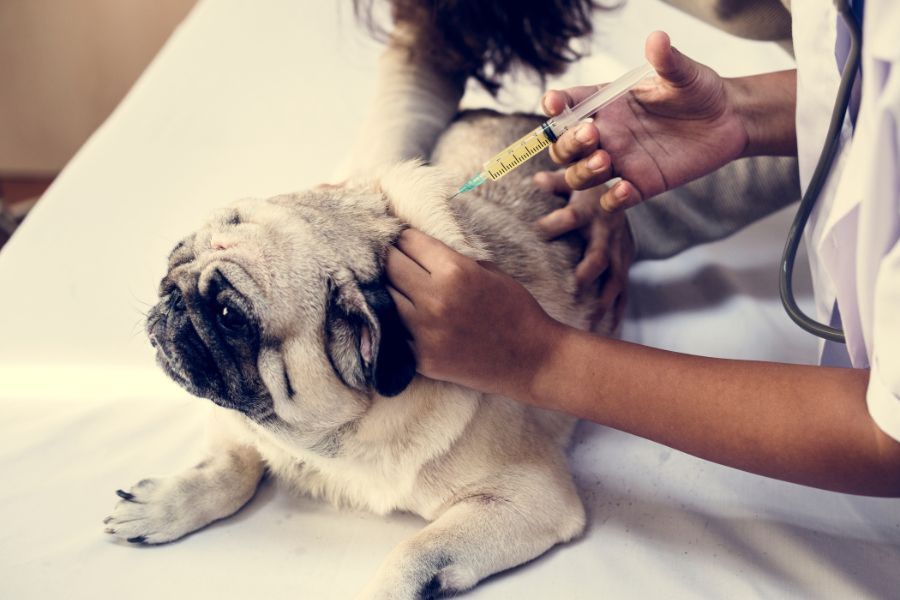
When pet parents hear the word “vaccinations,” many immediately think about outdoor risks. It’s common to believe that indoor cats or backyard dogs are naturally protected from disease. After all, if they don’t roam the streets or visit dog parks every day, what could really harm them? The truth is, disease exposure isn’t limited to wide-open spaces. Viruses and bacteria can travel on shoes, clothing, other pets, wildlife, insects, and even through the air. That’s why lifestyle-based vaccinations are so important.
What Are Lifestyle-Based Vaccinations?
Lifestyle-based vaccinations are personalized vaccine plans created around your pet’s daily routine, environment, travel habits, and potential exposure risks.
Instead of a “one-size-fits-all” approach, your veterinarian evaluates:
- Is your cat strictly indoors?
- Does your dog stay mostly in the backyard?
- Does your pet travel, board, groom, or visit daycare?
- Are there any wildlife or stray animals nearby?
- Do you have multiple pets in the household?
Even pets that rarely leave home can still be exposed to harmful diseases. A trusted veterinary hospital ensures your pet’s vaccination schedule fits your local environment and risk factors.
Why Indoor Cats Still Need Vaccinations?
Many cat owners assume indoor cats are completely safe from infectious diseases. However, indoor living does not equal zero risk.
1. Accidental Escapes
Cats are curious. A quick dash through an open door or window can expose them to infected animals or contaminated surfaces.
2. Viruses Can Enter Your Home
Diseases like feline panleukopenia can survive on clothing and shoes. You may unknowingly bring viruses into your home.
3. New Pets or Visitors
If you adopt another cat or have guests with pets, disease exposure becomes possible.
Core Vaccines for Indoor Cats
The American Animal Hospital Association (AAHA) recommends core vaccinations for cats regardless of lifestyle, including:
- Rabies
- FVRCP (Feline Viral Rhinotracheitis, Calicivirus, and Panleukopenia)
Rabies vaccination is legally required in Missouri. Even indoor cats must be vaccinated to protect both your pet and your family.
Why Backyard Dogs Still Need Protection?
Your dog may not visit crowded dog parks or boarding facilities, but that doesn’t eliminate risk.
1. Wildlife Exposure
Raccoons, squirrels, skunks, and stray animals often enter backyards, especially in suburban areas like Manchester, MO. These animals can carry rabies, leptospirosis, and other diseases.
2. Fence-Line Contact
Dogs can interact with neighboring dogs through fences, sharing germs without direct play.
3. Shared Surfaces
Even a quick walk around the block exposes your dog to viruses left behind by other animals.
Core Vaccines for Dogs
Core vaccines recommended for most dogs include:
- Rabies
- Distemper
- Parvovirus
- Adenovirus (Hepatitis)
These diseases can be severe and, in some cases, life-threatening. Parvovirus, for example, spreads easily and can survive in soil for months. If you’ve searched for a “veterinary hospital near me” to keep your dog protected, choosing a trusted team in Manchester ensures your pet receives proper care and monitoring.
Non-Core Vaccines: Are They Necessary?
Non-core vaccines are recommended based on lifestyle and exposure risk.
For dogs, these may include:
- Bordetella (Kennel Cough)
- Leptospirosis
- Canine Influenza
- Lyme Disease
For cats:
- Feline Leukemia (FeLV)
For example, leptospirosis is more common in areas where wildlife and standing water are present. In Manchester, suburban environments can increase exposure risks, especially for dogs spending time outdoors.
How Often Do Pets Need Vaccinations?
Vaccination schedules vary depending on age, medical history, and vaccine type.
Puppies and Kittens
Young pets require a series of vaccinations starting at 6–8 weeks of age. Boosters are given every few weeks until about 16 weeks old.
Adult Pets
After the initial series, many vaccines are administered annually or every three years, depending on the type. Routine wellness exams at a local veterinary hospital in Manchester allow us to track your pet’s vaccination status and keep protection up to date.
Are Vaccinations Safe?
Modern veterinary vaccines are highly tested and monitored for safety. Side effects are generally mild and may include:
- Slight soreness at the injection site
- Mild fatigue
- Temporary decrease in appetite
The risk of disease is far greater than the risk of vaccine reactions.
Why Local Protection Matters?
Every region has unique disease risks. Weather patterns, wildlife populations, and community pet activity all play a role in exposure. Manchester is home to beautiful parks, neighborhoods, and active pet families. While that makes it a wonderful place to live, it also increases the chance of shared environments and disease spread. At Fox Creek Veterinary Hospital, we stay informed about Missouri vaccination laws and regional disease concerns so your pet receives relevant, up-to-date protection.
The Cost of Skipping Vaccinations
Some pet owners hesitate because they believe their pet’s risk is low. However, treating diseases like parvovirus, distemper, or leptospirosis can cost thousands of dollars and may not always be successful. Preventive vaccinations are far more affordable and significantly reduce the chance of severe illness.
Beyond cost, vaccinations protect:
- Your family
- Other pets
- Your community
Rabies, for example, is a public health concern. Keeping pets vaccinated helps prevent transmission to humans and wildlife.
Creating a Personalized Vaccine Plan
No two pets are alike; a strictly indoor senior cat has different needs than a playful backyard puppy.
When you visit Fox Creek Veterinary Hospital in Manchester, we:
- Review your pet’s age and health history
- Discuss daily routines and outdoor exposure
- Evaluate travel or boarding plans
- Recommend core and lifestyle-based vaccinations
- Set up a convenient reminder schedule
A trusted veterinary hospital ensures that the pet receives a thoughtful, individualized care plan.
Building Long-Term Protection Through Preventive Care
Vaccinations are just one part of a complete preventive care plan. Regular exams allow us to detect early signs of illness, dental disease, weight concerns, and other health issues. Combining wellness exams with scheduled vaccinations creates strong, long-term protection for your pet’s life. By choosing a trusted hospital like Fox Creek Veterinary Hospital in Manchester, MO, you’re not just getting vaccinations, you’re building a health strategy designed around your pet’s lifestyle in Manchester, MO.
FAQs
1. Does my indoor cat really need a rabies vaccination in Missouri?
Ans: Yes, rabies vaccination is required by law in Missouri, even for indoor cats. It protects your pet and your family from a fatal disease.
2. My dog only goes in the backyard. Is parvovirus still a risk?
Ans: Absolutely, parvovirus can live in soil for months and can be brought into your yard by other dogs or wildlife.
3. How often does my pet need booster shots?
Ans: Booster schedules vary depending on the vaccine. Some are yearly, while others are given every three years. Your veterinarian will create a schedule specific to your pet.
4. Are vaccine reactions common?
Ans: Most pets experience little to no side effects. Mild soreness or sleepiness may occur, but serious reactions are rare.
5. What are lifestyle vaccines?
Ans: Lifestyle vaccines are non-core vaccinations recommended based on your pet’s daily activities, travel, boarding, grooming, or wildlife exposure.