Open 7 days a week, 8 AM to 8 Pm


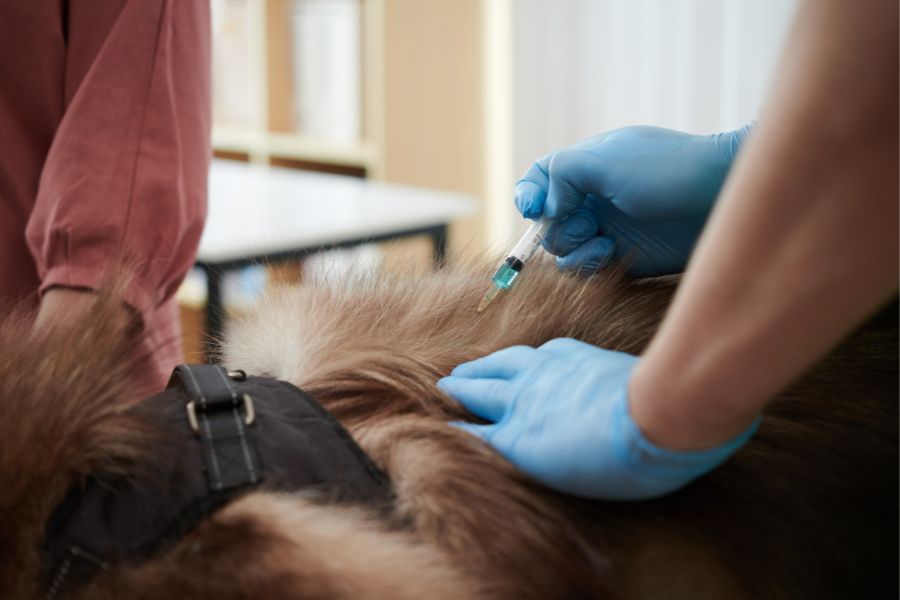
Ensuring your pet’s health starts with one of the most important preventive measures—vaccinations. Whether you are a new pet parent or a seasoned one, understanding the significance of vaccines and their schedules can make a world of difference in your pet’s life. This comprehensive guide delves into the essentials of pet vaccinations, helping you keep your furry companion safe and thriving.
Why Vaccinations Are a Must for Pets
Vaccinations serve as a defensive shield, preparing your pet’s immune system to combat harmful viruses and bacteria effectively. When a vaccine is administered, it exposes your pet to a weakened or inactive form of a pathogen, teaching their body how to recognize and fight the real threat in the future. This proactive approach not only protects your pet from deadly diseases but also curbs the spread of infections within your community.
Moreover, vaccinations contribute significantly to longer, healthier lives for pets. Without vaccines, common diseases such as distemper, parvovirus, and rabies could easily take a devastating toll on these beloved animals. Simply put, vaccines are a fundamental aspect of responsible pet ownership, ensuring wellbeing for both pets and the public.
Core Vaccinations: The Non-Negotiables
Each type of pet requires specific vaccinations tailored to its unique vulnerabilities. Here’s a focused look at the core vaccines every dog and cat should receive:
Dogs
- Canine Parvovirus (CPV): This highly contagious virus threatens puppies especially, causing severe digestive issues. Vaccinations start early, typically at 6 weeks and continue in a series.
- Canine Distemper Virus (CDV): Affecting the respiratory and neurological systems, distemper is often fatal without vaccination.
- Adenovirus (CAV): Provides protection against hepatitis in dogs, which can severely damage the liver.
- Rabies: A fatal zoonotic disease, rabies vaccination is mandated by law and is pivotal for safeguarding your dog and the community.
Cats
- Feline Panleukopenia (Distemper): This disease causes severe immunosuppression and requires early vaccination.
- Feline Herpesvirus and Calicivirus: These cause respiratory illnesses and oral diseases in cats.
- Rabies: As with dogs, rabies vaccination is critical for cats, especially those who have outdoor access.
Tailoring the Vaccination Schedule for Your Pet’s Life Stage
Vaccination schedules are not a one-size-fits-all blueprint. They change according to age, lifestyle, and health status.
For Puppies and Kittens
Vaccines begin early—usually between 6 to 8 weeks of age—with multiple boosters every 3-4 weeks until around 16 weeks. This series ensures comprehensive immunity as the young pets develop.
For Adult Pets
Once the initial series is complete, adult dogs and cats require booster shots. These typically occur annually or every three years, depending on the vaccine and the pet’s risk of exposure to diseases.
For Senior Pets
Older animals might have unique vaccination needs. Consulting with a vet will help tailor suitable immunization plans that consider weakened immune responses or existing health issues.
What to Expect at the Vet: The Vaccination Visit
Professional veterinary care ensures that your pet receives the necessary vaccines safely and comfortably. During your visit:
- The vet reviews your pet’s medical history and lifestyle.
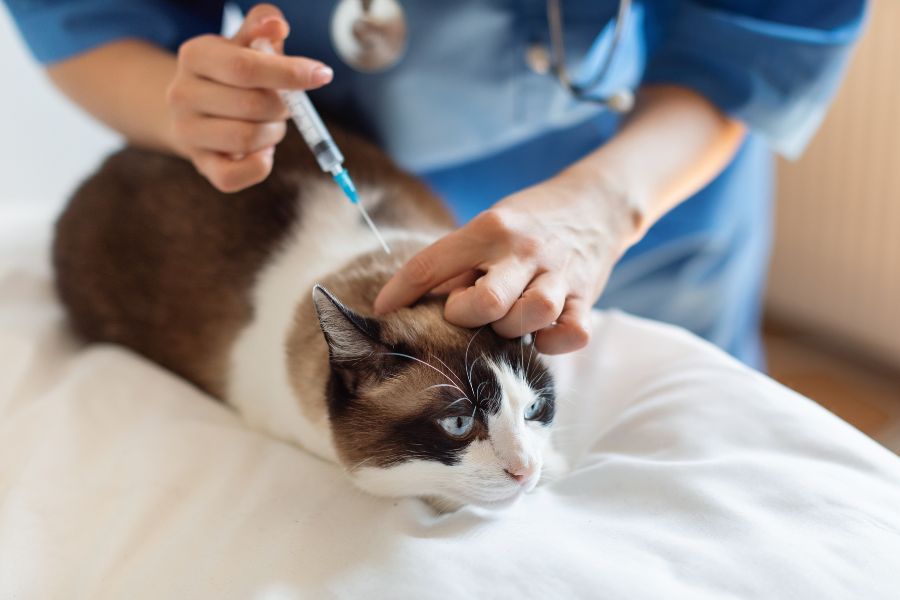
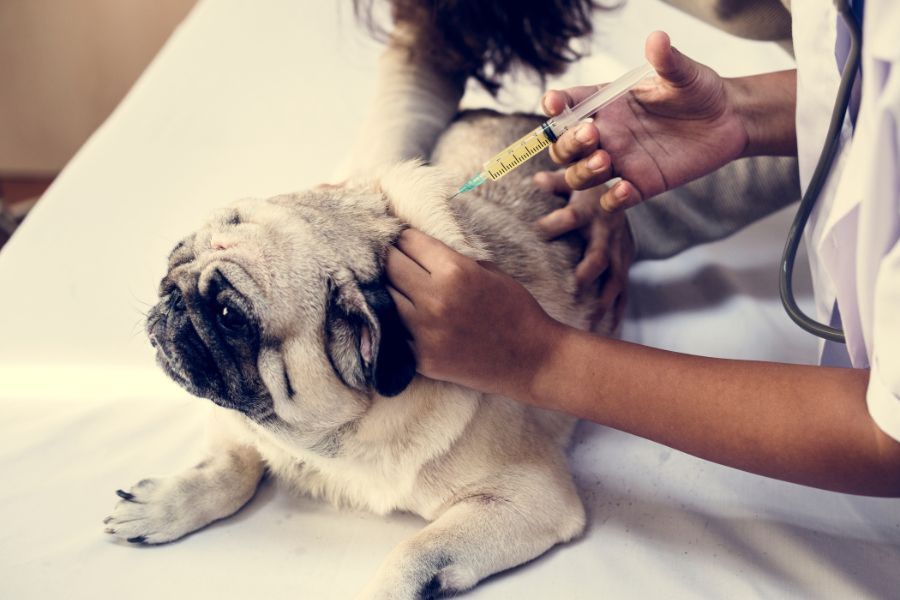
- Vaccines are administered with care to minimize stress.
- Staff monitors your pet afterward for any reactions, which might include mild fever or localized swelling, usually resolving quickly.
Addressing Common Concerns and Myths
Many pet owners wonder about the safety and necessity of vaccines. It’s important to distinguish between myths and facts:
- Vaccines do not cause the diseases they protect against.
- Immediate and serious adverse reactions are rare.
- Staying current on vaccines is crucial even for indoor pets due to potential exposure risks.
Taking the Next Step: Scheduling Your Pet’s Vaccinations
Regular vaccination is an ongoing responsibility. Keeping a vaccination record and planning booster shots helps maintain uninterrupted protection. If you are looking to safeguard your pet’s health with expert care, consider pet vaccinations in Kirkwood, MO, where veterinary professionals provide personalized vaccination services.