Open 7 days a week, 8 AM to 8 Pm

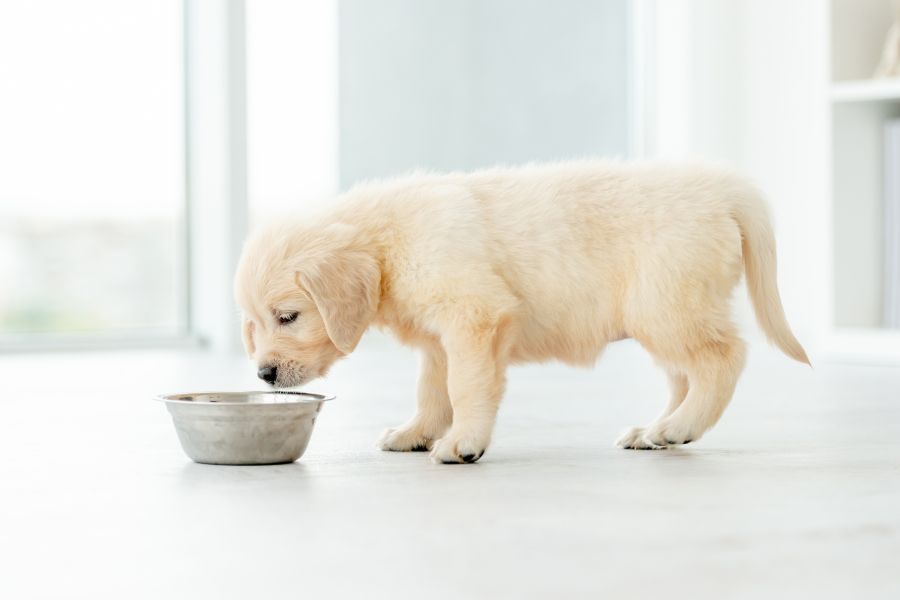
Golden Retriever puppies are playful, loving, and full of energy. They also grow very fast during their first year of life. That fast growth means they need the right balance of nutrients to support strong bones, healthy joints, muscle development, and a shiny coat. Choosing the best puppy food is not just about picking a popular brand; it is about giving your puppy the right start for lifelong health. In this guide, we will break down what golden retriever puppies need in their diet, how to support healthy growth, and what to look for in the best puppy food for large breeds.
Why Nutrition Matters for Golden Retriever Puppies
Golden Retrievers are a large breed. As puppies, they can grow quickly, sometimes gaining several pounds in just a few weeks. If their diet is not balanced, this rapid growth can put stress on developing joints and bones.
Poor nutrition during puppyhood can increase the risk of:
- Hip and elbow dysplasia
- Joint pain later in life
- Obesity
- Weak immune function
A properly balanced diet helps control growth rate, supports joint health, and builds strong muscles. This is especially important during the first 12–18 months.
Key Nutrients for Growth & Joint Support
When searching for the best puppy food for Golden Retrievers, focus on these important nutrients:
1. High-Quality Protein
Protein helps build lean muscle. Look for real meat like chicken, lamb, or salmon as the first ingredient. Large-breed puppies need moderate to high levels of protein, but it should come from quality sources.
2. Controlled Calcium & Phosphorus
Too much calcium can cause bones to grow too quickly. Large-breed puppy formulas are specially balanced to prevent this issue. Always choose food labeled for “large breed puppies.”
3. DHA (Docosahexaenoic Acid)
DHA supports brain and eye development. It is commonly found in fish oil and is essential during the early months of life.
4. Glucosamine & Chondroitin
These nutrients help support cartilage and joint development. Golden Retrievers are prone to joint problems, so early support is very important.
5. Omega-3 & Omega-6 Fatty Acids
These fatty acids promote healthy skin and a shiny coat. They also reduce inflammation and support joint health.
Large Breed Puppy Food vs. Regular Puppy Food
Not all puppy foods are created equal. Large breed puppy food is specially designed to control growth speed.
Regular puppy food may:
- Contain too many calories
- Have higher calcium levels
- Causes rapid weight gain
Large breed formulas are carefully balanced to reduce stress on developing joints. For Golden Retriever puppies, this type of food is usually the safest choice.
How Much Should You Feed?
Overfeeding is one of the biggest mistakes pet parents make. Golden Retriever puppies may act hungry all the time, but too many calories can lead to fast growth and joint stress.
General feeding tips:
- Feed 3–4 meals per day until 6 months old
- Switch to 2 meals per day after 6 months
- Follow the feeding chart on your puppy’s food bag
- Adjust portions based on body condition, not just appetite
You should be able to feel your puppy’s ribs without seeing them clearly. If your puppy looks overweight, talk with your veterinarian about portion control.
Dry Food vs. Wet Food
Both dry and wet puppy food can work, but dry kibble is often preferred for large breed puppies because:
- It supports dental health
- It is easier to measure
- It is usually more cost-effective
- It often contains joint-support ingredients
Some pet owners mix wet and dry food to improve taste. If you do this, be sure to calculate total calories correctly.
Grain-Free or Grain-Inclusive?
Many pet parents ask about grain-free diets. For most Golden Retriever puppies, grain-inclusive diets are safe and healthy unless your puppy has a specific allergy diagnosed by a veterinarian.
Whole grains like brown rice and oatmeal provide:
- Fiber for digestion
- Energy for active puppies
- Important nutrients
Always consult your veterinarian before making major diet changes.
Signs You Chose the Right Food
How do you know if you picked the best puppy food? Look for these signs:
- Steady, controlled growth
- Healthy weight
- Shiny coat
- Good energy levels
- Normal stools
- Strong teeth and gums
If your puppy has frequent diarrhea, itching, or poor weight gain, it may be time to adjust the diet.
Joint Care Beyond Nutrition
While diet plays a big role, there are other ways to protect your Golden Retriever puppy’s joints:
- Avoid excessive jumping
- Do not over-exercise young puppies
- Maintain a healthy weight
- Use joint-support supplements only if recommended
Regular checkups are important during the growth stage. Monitoring weight and development helps prevent long-term issues.
Smart Treat Choices for Golden Retriever Puppies
Treats should make up no more than 10% of daily calories. Choose treats that support health, not just taste.
Better treat options:
- Training treats with low calories
- Small pieces of cooked lean meat
- Vet-approved dental chews
Avoid:
- High-fat table scraps
- Cooked bones
- Sugary snacks
Healthy treats support training without causing weight gain.
When to Switch to Adult Food
Golden Retrievers usually transition to adult food between 12 and 15 months of age. Switching too early can interfere with proper development. Switching too late may contribute to weight gain.
Signs your puppy may be ready:
- Growth has slowed
- They are close to adult size
- Your veterinarian recommends the change
Always transition gradually over 7–10 days to avoid digestive upset.
Supporting Golden Retriever Puppies
At Fox Creek Veterinary Hospital in Kirkwood, MO, we understand how important early nutrition is for large-breed dogs. Proper puppy and kitten care includes balanced diets, growth monitoring, and personalized feeding recommendations. If you’re located in Manchester or Wildwood and need help choosing the best food for your puppy, we’re here to guide and support you in these areas as well.
Every Golden Retriever puppy is unique. During wellness visits, we evaluate body condition, growth rate, and joint health to help pet parents choose the best puppy food for their specific dog. Living in Kirkwood, MO, many Golden Retrievers enjoy outdoor activities and family adventures. Strong joints and healthy growth make those activities safer and more enjoyable as your puppy matures.
FAQs
1. What is the best puppy food for Golden Retriever puppies?
Ans: The best puppy food is a large-breed formula with balanced calcium, high-quality protein, DHA, and joint-support nutrients like glucosamine. Always choose food labeled specifically for large breed puppies.
2. How long should Golden Retrievers eat puppy food?
Ans: Golden Retrievers typically stay on large-breed puppy food until 12–15 months of age, depending on their growth and your veterinarian’s recommendation.
3. Do Golden Retriever puppies need joint supplements?
Ans: Most high-quality large breed puppy foods already contain joint-support nutrients. Additional supplements should only be given if recommended by your veterinarian.
4. Is grain-free food better for Golden Retriever puppies?
Ans: Not necessarily, most puppies do well on grain-inclusive diets unless they have a diagnosed food allergy. Always consult a veterinarian before switching to grain-free food.
5. How can I prevent hip dysplasia in my Golden Retriever puppy?
Ans: You cannot completely prevent hip dysplasia, but proper nutrition, controlled growth, maintaining a healthy weight, and avoiding over-exercise can reduce risk.
6. How often should my Golden Retriever puppy eat each day?
Ans: Puppies under 6 months should eat 3–4 meals daily. After 6 months, most can transition to 2 meals per day.