Open 7 days a week, 8 AM to 8 Pm

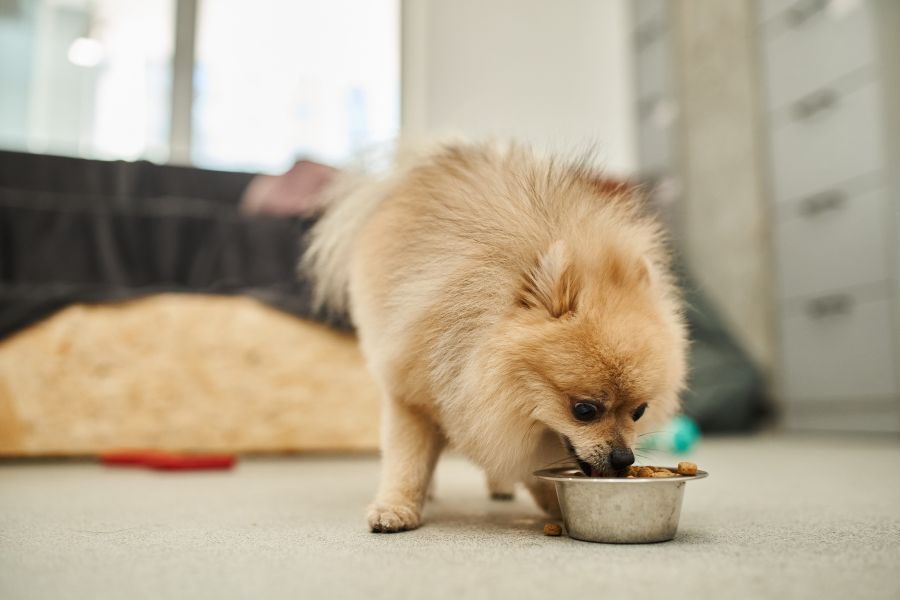
Choosing the best puppy food for your Pomeranian puppy is essential for supporting their rapid growth, fluffy coat, and high energy levels. These tiny dogs have specific nutritional needs that differ from larger breeds. In this guide, we’ll break down exactly what to look for in puppy food, feeding tips, and how to ensure your Pomeranian grows into a healthy adult.
Why Choosing the Best Puppy Food Matters for Pomeranians
Pomeranian puppies may be small, but they are incredibly energetic and fast-growing. Feeding the best puppy food ensures they get the right balance of nutrients for:
- Brain development
- Bone and joint strength
- Healthy skin and coat
- Immune system support
Because of their small size, even minor nutritional deficiencies can have a bigger impact compared to larger breeds. That’s why quality matters more than quantity.
Nutritional Needs of Pomeranian Puppies
High-Quality Protein for Growth
Protein is the foundation of your puppy’s diet. Look for foods that list real meat like chicken, turkey, or salmon as the first ingredient.
Why it matters:
- Supports muscle development
- Provides energy for active play
- Helps tissue repair
Healthy Fats for Energy and Coat Health
Pomeranians are known for their thick, fluffy coats. Healthy fats like omega-3 and omega-6 fatty acids are essential.
Key benefits:
- Promotes shiny, soft fur
- Supports brain development
- Provides concentrated energy
Balanced Calcium and Phosphorus
Proper bone development is crucial during puppyhood. Too much or too little calcium can cause problems.
Look for:
- Controlled calcium levels
- Balanced calcium-to-phosphorus ratio
Essential Vitamins and Minerals
The best puppy food includes vitamins like A, D, and E, along with antioxidants.
These nutrients:
- Strengthen the immune system
- Support vision and skin health
- Help prevent early illnesses
Dry vs. Wet Food: What’s Better for Pomeranian Puppies?
Dry Kibble
Dry food is often recommended for Pomeranians because:
- Helps reduce plaque buildup
- Easy to store and measure
- Cost-effective
Make sure the kibble size is small enough for tiny mouths.
Wet Food
Wet food can be beneficial in some cases:
- Easier to chew
- Higher moisture content
- More palatable for picky eaters
Pro tip: Many pet owners use a mix of both to balance taste and dental health.
How Much Should You Feed a Pomeranian Puppy?
Feeding the right amount is just as important as choosing the best puppy food.
General Feeding Guidelines:
- 8–12 weeks: 3 to 4 small meals per day
- 3–6 months: 3 meals per day
- 6–12 months: 2 meals per day
Portion Control Tips:
- Follow the feeding guide on the food label
- Adjust based on activity level and weight
- Avoid overfeeding, as Pomeranians can gain weight quickly
Ingredients to Look for in the Best Puppy Food
When selecting food, always check the ingredient list carefully.
Top Ingredients to Include:
- Real meat (chicken, beef, lamb, or fish)
- Whole grains or healthy carbs like brown rice or sweet potatoes
- DHA for brain development
- Probiotics for digestion
Ingredients to Avoid:
- Artificial colors or preservatives
- Fillers like corn or soy
- By-products of low quality
- Excess sugar or salt
Common Feeding Mistakes to Avoid
Even with the best puppy food, mistakes can affect your puppy’s health.
Overfeeding Treats
Treats should make up no more than 10 percent of daily calories.
Sudden Food Changes
Switching foods too quickly can upset your puppy’s stomach. Always transition gradually over 7 to 10 days.
Ignoring Water Intake
Fresh, clean water should always be available. Hydration is just as important as nutrition.
Special Considerations for Pomeranian Puppies
Small Stomach, Frequent Meals
Pomeranian puppies have tiny stomachs and fast metabolisms. Smaller, more frequent meals help maintain energy levels.
Risk of Hypoglycemia
Low blood sugar is common in toy breeds.
Watch for signs like:
- Weakness
- Shaking
- Lethargy
Feeding regularly with nutrient-rich food helps prevent this issue.
Dental Health
Small breeds are prone to dental problems. Choosing kibble that supports oral health can make a difference early on.
How to Transition to a New Puppy Food
If you’re switching to a new brand or type of food, do it slowly:
7-Day Transition Plan:
- Day 1 to 2: 75% old food, 25% new food
- Day 3 to 4: 50% old food, 50% new food
- Day 5 to 6: 25% old food, 75% new food
- Day 7: 100% new food
This gradual approach helps avoid digestive upset.
Signs You’ve Chosen the Right Puppy Food
Not sure if you picked the best puppy food? Look for these positive signs:
- Steady weight gain
- High energy levels
- Soft, shiny coat
- Healthy stools
- Bright eyes and alert behavior
If your puppy shows any negative signs like vomiting, diarrhea, or dull coat, consult your veterinarian.
When to Switch to Adult Dog Food
Pomeranians typically transition to adult food around 9 to 12 months of age.
However, timing may vary depending on:
- Growth rate
- Weight
- Veterinary recommendations
Always consult your vet before making the switch.
Feeding your Pomeranian puppy the best puppy food is one of the most important decisions you can make as a pet owner. From high-quality protein to essential vitamins, every nutrient plays a role in your puppy’s growth, energy, and long-term health. Getting the necessary puppy care help in choosing the right food and following the proper feeding practices sets the foundation for a happy and healthy life.
If you’re unsure which food is right for your puppy, then the trusted veterinary team at Fox Creek Veterinary Hospital at Manchester Avenue in Manchester, MO, is here to help. Schedule a visit today and get personalized nutrition advice tailored to your Pomeranian’s needs.
FAQs
Q1: What is the best puppy food for Pomeranian puppies?
Ans: The best puppy food includes high-quality protein, healthy fats, and essential nutrients specifically formulated for small breeds.
Q2: How often should I feed my Pomeranian puppy?
Ans: Young puppies should be fed 3 to 4 times a day, gradually reducing to 2 meals as they grow.
Q3: Can Pomeranian puppies eat grain-free food?
Ans: Yes, but it’s best to consult your vet, as some grain-free diets may not provide balanced nutrition.
Q4: When should I switch my Pomeranian to adult dog food?
Ans: Most Pomeranians transition between 9 and 12 months, depending on their growth and health.
Q5: Is wet or dry food better for Pomeranian puppies?
Ans: Both have benefits. Dry food supports dental health, while wet food improves hydration and taste. A mix can work well.