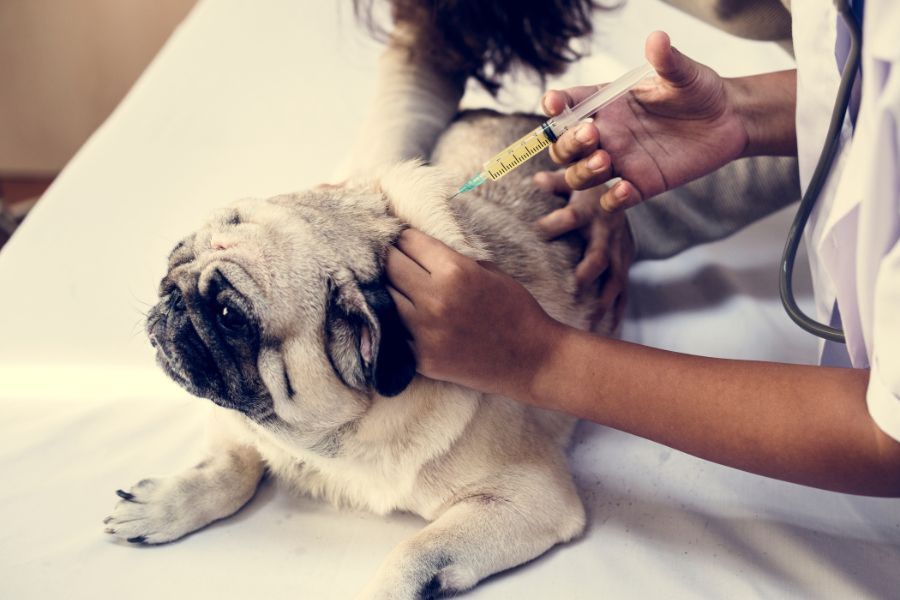
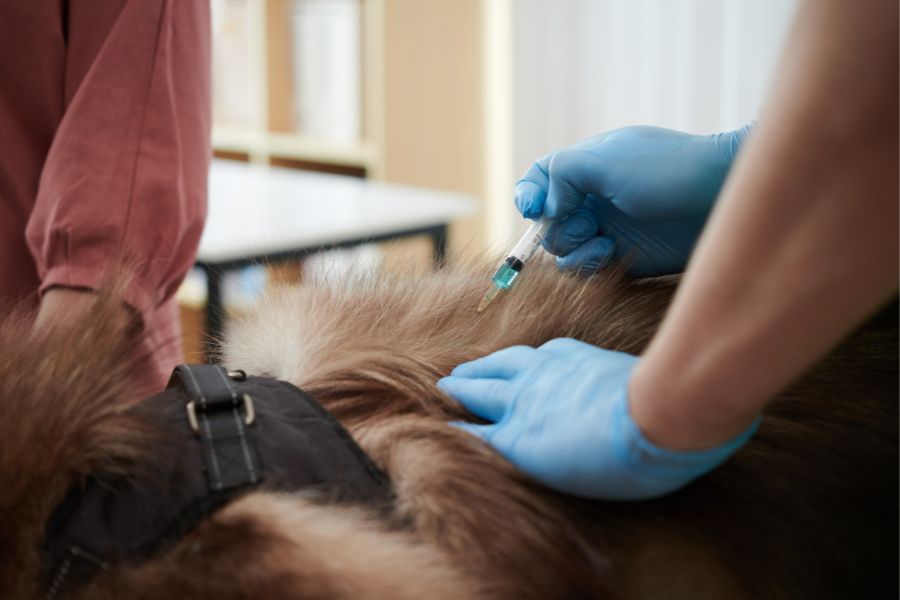
Open 7 days a week, 8 AM to 8 Pm


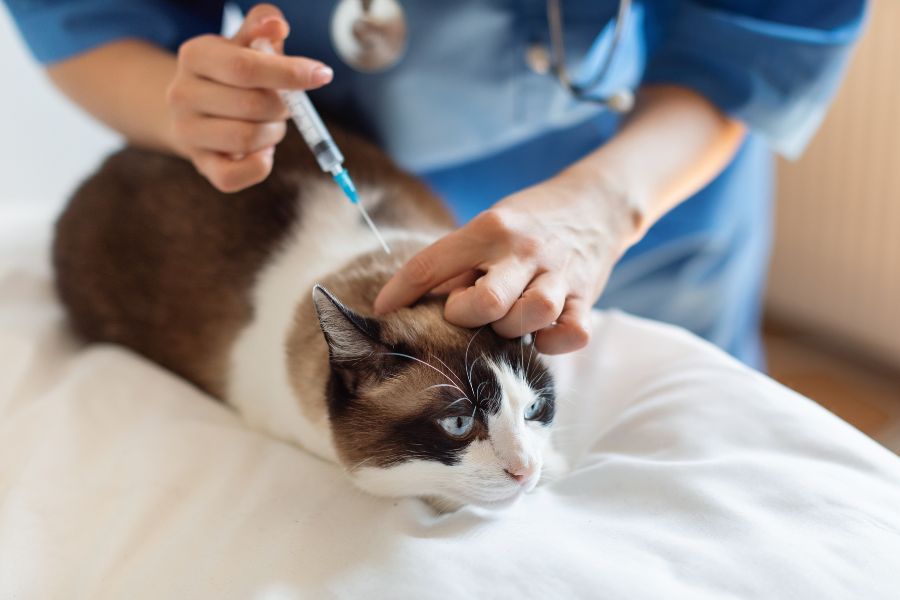
Protecting your pet from a deadly disease starts with timely vaccination. The rabies vaccine is one of the most important shots your dog or cat will ever receive because it helps prevent a fatal virus that can also spread to humans. In this guide, you’ll learn at what age dogs and cats can get the rabies vaccine, why timing matters, what to expect after vaccination, and how to keep your pet legally protected and healthy for life.
What Is the Rabies Vaccine and Why Is It Important?
The rabies vaccine protects pets against rabies, a serious viral disease that attacks the nervous system. Once symptoms begin, rabies is almost always fatal in both animals and people. Because of this risk, rabies vaccination is required by law in many states and communities.
Rabies spreads through bites or saliva from infected animals such as raccoons, bats, skunks, and foxes. Even indoor pets may be at risk if wildlife enters the home or yard.
Why the Rabies Vaccine Matters
- Protects dogs and cats from a deadly disease
- Helps protect your family and community
- Required for pet licensing in many areas
- Needed for boarding, grooming, and travel in some cases
- Prevents costly quarantine issues after bites or exposure
At What Age Can Dogs Get the Rabies Vaccine?
Most puppies receive their first rabies vaccine between 12 and 16 weeks of age, depending on local laws and your veterinarian’s recommendation. Many clinics commonly vaccinate at around 16 weeks.
Puppies should also receive their core puppy vaccines before or alongside rabies shots based on their schedule.
Typical Puppy Vaccine Timeline
- 6 to 8 weeks, first puppy vaccines
- 10 to 12 weeks, booster vaccines
- 12 to 16 weeks, first rabies vaccine
- 1 year later, rabies booster
Your veterinarian may adjust this schedule depending on health status, breed, and local regulations.
At What Age Can Cats Get the Rabies Vaccine?
Kittens usually receive their first rabies vaccine at 12 to 16 weeks of age as well. Even indoor cats should be vaccinated because bats and other wildlife can enter homes, garages, or porches.
Many owners assume indoor cats do not need rabies protection, but accidental escapes and unexpected exposure happen more often than people think.
Typical Kitten Vaccine Timeline
- 6 to 8 weeks, first kitten vaccines
- Every 3 to 4 weeks until about 16 weeks, booster series
- 12 to 16 weeks, first rabies vaccine
- 1 year later, booster dose
Why Timing of the Rabies Vaccine Is So Important?
Giving the rabies vaccine at the right age helps your pet build strong immunity early in life. Waiting too long can leave puppies and kittens vulnerable during a critical stage when they are exploring more and may come into contact with wildlife.
Early vaccination also helps owners stay compliant with local pet laws and licensing rules.
How Often Do Dogs and Cats Need the Rabies Vaccine?
After the first vaccine, pets usually need a booster one year later. After that, your veterinarian may recommend either:
- Annual rabies vaccine
- Every 3 years, the rabies vaccine
This depends on the vaccine brand used, your pet’s age, health, and local laws.
Always keep vaccine records in a safe place.
What Happens If My Pet Misses a Rabies Vaccine?
If your dog or cat is overdue for a rabies vaccine, schedule an appointment as soon as possible. In some cases, the vaccine series may need to restart according to regulations.
An unvaccinated pet exposed to rabies may face strict quarantine or other legal requirements.
Are There Side Effects of the Rabies Vaccine?
Most pets do very well after vaccination. Mild reactions may include:
- Sleepiness for a day
- Mild soreness at the injection site
- Lower appetite for a short time
- Mild swelling
Serious reactions are uncommon but require immediate veterinary care. Contact your veterinarian if you notice vomiting, facial swelling, breathing trouble, or collapse.
How to Prepare for Your Pet’s Rabies Vaccine Appointment?
To make the visit easier:
- Bring previous vaccine records
- Use a leash or secure carrier
- Avoid feeding a large meal right before the visit
- Ask about other vaccines due the same day
- Mention any past vaccine reactions
Rabies Vaccine Myths Pet Owners Should Ignore
Myth 1: Indoor pets do not need rabies shots
Indoor pets can still be exposed through bats or escapes.
Myth 2: One vaccine lasts forever
Boosters are needed to maintain legal and medical protection.
Myth 3: Puppies and kittens are too young at 12 to 16 weeks
This is the standard age range for many pets to safely receive their first rabies vaccine.
The rabies vaccine is one of the simplest and most powerful ways to protect your dog or cat from a deadly disease. Most puppies and kittens receive their first dose between 12 and 16 weeks old, followed by boosters as recommended. Staying on schedule helps keep your pet safe, healthy, and compliant with local laws. If you are residing in Manchester or its surrounding areas like Ballwin, Saint Louis, Chesterfield, Fenton, and are looking for a trusted vet near you for your pet’s vaccination, contact Fox Creek Veterinary Hospital in Manchester, MO, today.
FAQs
Q1: At what age do puppies get the rabies vaccine?
Ans: Most puppies get their first rabies vaccine between 12 and 16 weeks of age, depending on veterinary advice and local law.
Q2: At what age do kittens get the rabies vaccine?
Ans: Kittens usually receive the first rabies vaccine between 12 and 16 weeks old.
Q3: Do indoor cats need the rabies vaccine?
Ans: Yes, indoor cats should still get the rabies vaccine because wildlife exposure and escapes can happen.
Q4: How long does a rabies vaccine last for pets?
Ans: After the first booster, some vaccines last one year while others last three years, based on regulations and product type.
Q5: Can a pet be late for a rabies booster?
Ans: Yes, but it should be updated as soon as possible. Your veterinarian can advise on the next step based on local rules.