Open 7 days a week, 8 AM to 8 Pm


Many pet owners feel nervous when they hear that a dental cleaning requires anesthesia. It is natural to wonder whether it is necessary and if it is safe for your dog or cat. The good news is that anesthesia allows veterinary professionals to perform a thorough dental cleaning while keeping your pet comfortable and protected.
This guide explains why pet dental cleanings require anesthesia and why that’s okay, what happens during the procedure, the safety measures involved, and how proper dental care can improve your pet’s long-term health and quality of life.
Requirement of Anesthesia
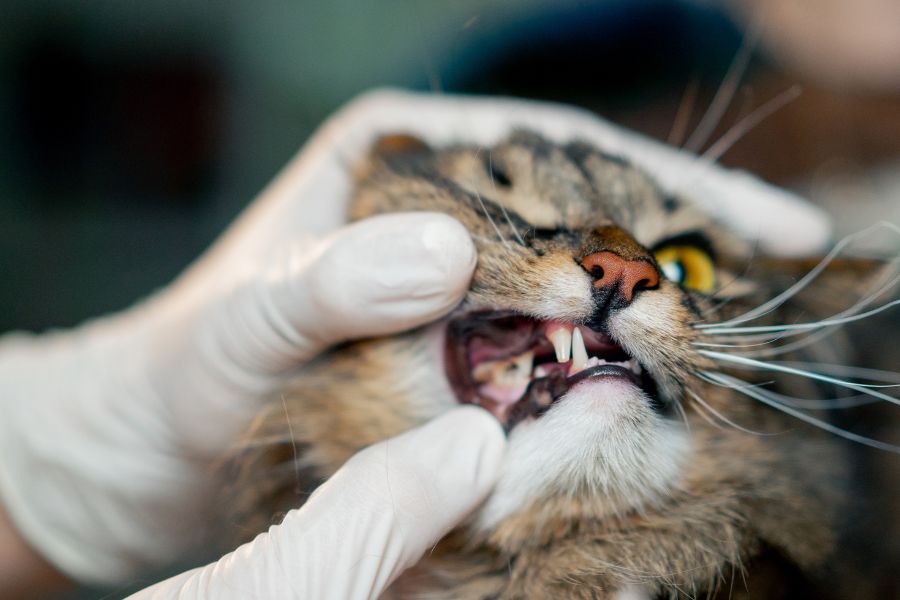
Dental disease is one of the most common health problems seen in dogs and cats. While brushing at home and dental treats can help reduce plaque, they cannot remove hardened tartar below the gumline. Professional dental cleanings are necessary for maintaining oral health, and anesthesia plays an essential role in making those cleanings effective and safe.
Without anesthesia, a veterinarian cannot properly examine every tooth, clean beneath the gums, or perform treatments that may be needed to prevent pain and infection.
What Happens During a Professional Pet Dental Cleaning?
A professional dental cleaning is much more than simply polishing visible teeth. It is a comprehensive oral examination and treatment process that includes:
- A complete oral evaluation
- Removal of plaque and tartar
- Cleaning beneath the gumline
- Polishing the teeth
- Examination for damaged or loose teeth
- Assessment of gum health
- Dental imaging when needed
- Treatment recommendations if the disease is found
Many dental problems develop below the gumline, where they cannot be seen during a quick visual inspection.
Why Is Anesthesia Necessary?
The biggest reason anesthesia is used is that pets cannot understand instructions like human dental patients.
Imagine trying to clean every surface of a dog’s or cat’s mouth while they move, swallow, or become frightened. It would be impossible to perform a complete cleaning safely.
Anesthesia allows the veterinary team to:
- Keep the pet completely still
- Prevent stress and anxiety
- Eliminate discomfort during the procedure
- Clean beneath the gums
- Perform a detailed examination
- Take high-quality dental images
- Protect the airway during cleaning
Without anesthesia, only the visible surfaces could be cleaned, leaving disease-causing bacteria where they continue damaging teeth and gums.
Cleaning Below the Gumline Is the Most Important Part
Many owners notice tartar on the outside of the teeth and assume that removing it solves the problem. However, the most serious dental disease develops below the gumline.
Hidden bacteria can lead to:
- Gum inflammation
- Bone loss around teeth
- Loose teeth
- Oral infections
- Chronic pain
Professional instruments must reach these areas carefully, which requires the pet to remain completely motionless. Anesthesia makes this possible.
Why Anesthesia Makes the Procedure Safer
Some people assume that skipping anesthesia would reduce risk. In reality, attempting a thorough dental cleaning without anesthesia introduces its own safety concerns.
Anesthesia helps by:
Protecting the Airway
Water, bacteria, and tartar particles are produced during cleaning. Anesthesia allows the veterinary team to protect the airway and reduce the chance of debris entering the lungs.
Preventing Sudden Movement
Even gentle pets may jerk their heads unexpectedly if startled. Sharp dental instruments require precision, and sudden movement could result in injury.
Allowing Accurate Diagnosis
Many dental issues are hidden under the gums or inside the tooth structure. A still patient allows a complete examination and appropriate treatment.
Modern Anesthesia Is Carefully Managed
Veterinary anesthesia today involves multiple safety protocols designed to reduce risk and monitor the patient throughout the procedure.
These often include:
- A physical examination before the procedure
- Bloodwork to evaluate overall health
- Individualized anesthesia plans
- Continuous monitoring of heart rate
- Oxygen support
- Monitoring of breathing
- Blood pressure checks
- Temperature management
- Dedicated staff observing the patient
These precautions help the veterinary team respond quickly to any changes during the procedure.
Common Myths About Dental Anesthesia
Myth 1: My Pet Is Too Old
Age alone does not determine whether anesthesia is appropriate. Overall health is a much more important factor. Many senior pets successfully undergo dental procedures after careful evaluation.
Myth 2: A Non-Anesthetic Cleaning Is Just as Good
Surface cleaning without anesthesia may make teeth appear whiter, but it cannot effectively clean below the gumline where disease often exists. Cosmetic improvement is not the same as comprehensive dental care.
Myth 3: My Pet Doesn’t Seem to Have Mouth Pain
Dogs and cats are skilled at hiding discomfort. Many continue eating despite significant dental disease because hiding pain is part of their natural survival behavior.
Myth 4: Bad Breath Is Normal
Persistent bad breath often signals bacteria and dental disease rather than normal aging. It should not be ignored.
Benefits of Professional Dental Cleaning
Maintaining oral health offers benefits that extend beyond the mouth.
Professional dental care can help:
- Reduce chronic oral pain
- Improve chewing comfort
- Minimize gum disease progression
- Decrease bacterial buildup
- Support better overall health
- Improve quality of life
- Help pets remain active and comfortable
Many owners notice their pets seem happier and more energetic after receiving proper dental care.
Signs Your Pet May Need a Dental Cleaning
Watch for these common signs:
- Bad breath
- Yellow or brown tartar buildup
- Red or swollen gums
- Difficulty chewing
- Dropping food while eating
- Pawing at the mouth
- Excessive drooling
- Loose or broken teeth
- Bleeding from the gums
- Reduced interest in hard food
Even if these signs are absent, regular veterinary examinations can detect problems before they become serious.
How Can You Support Your Pet’s Dental Health at Home
Professional cleanings work best when combined with routine home care.
Helpful habits include:
- Brush your pet’s teeth regularly using pet-safe toothpaste.
- Provide veterinarian-approved dental chews when appropriate.
- Schedule routine wellness examinations.
- Watch for changes in eating or chewing habits.
- Follow your veterinarian’s recommendations for dental care.
Consistent home care can slow plaque buildup, but it does not replace professional cleanings.
What Recovery Is Like
Most pets recover smoothly from anesthesia and return home the same day unless additional treatment is required.
Owners may notice:
- Mild sleepiness for several hours
- Temporary reduced appetite
- Quiet behavior for the remainder of the day
Most pets return to their normal routine by the following day, and many experience improved comfort once dental disease has been addressed.
Conclusion
Understanding why pet dental cleanings require anesthesia and why that’s okay helps owners make informed decisions about their pet’s health. Anesthesia is not simply for convenience. It allows for a complete examination, thorough cleaning below the gumline, accurate diagnosis, and a safer procedure overall. Investing in professional dental care can help prevent pain and support your pet’s long-term well-being. For personalized dental care guidance, schedule an appointment with a vet near you at Fox Creek Veterinary Hospital in Wildwood, MO.
FAQs
Q1: Why do pet dental cleanings require anesthesia?
Anesthesia allows veterinarians to safely clean below the gumline, thoroughly examine the mouth, and keep pets comfortable and still during the procedure.
Q2: Is anesthesia for pet dental cleaning safe?
Modern veterinary anesthesia involves careful planning and continuous monitoring, with safety measures tailored to each pet’s health and needs.
Q3: Can my pet have a dental cleaning without anesthesia?
Non-anesthetic cleanings generally address only visible tooth surfaces and cannot effectively clean beneath the gums, where significant dental disease often develops.
Q4: How often should my pet receive a professional dental cleaning?
The ideal schedule depends on your pet’s age, breed, and oral health. Your veterinarian can recommend an appropriate plan after an examination.
Q5: What are the signs that my pet may need a dental cleaning?
Common signs include bad breath, tartar buildup, swollen gums, difficulty chewing, drooling, loose teeth, and changes in eating behavior. Early evaluation can help prevent more serious dental problems.