Open 7 days a week, 8 AM to 8 Pm


Many pet owners want to keep their dog’s or cat’s teeth clean while avoiding anesthesia whenever possible. That concern is understandable, especially if your pet seems healthy and energetic. However, choosing anesthesia-free dental cleanings for pets may not provide the protection many owners expect. While these procedures can remove some visible tartar, they cannot fully evaluate or treat the areas where dental disease usually begins. At Fox Creek Veterinary Hospital, pet owners often ask whether anesthesia-free cleanings are a safe alternative to professional dental procedures. Understanding the differences can help you make the best decision for your pet’s long-term oral health.
Are Anesthesia-Free Dental Cleanings Safe for Pets
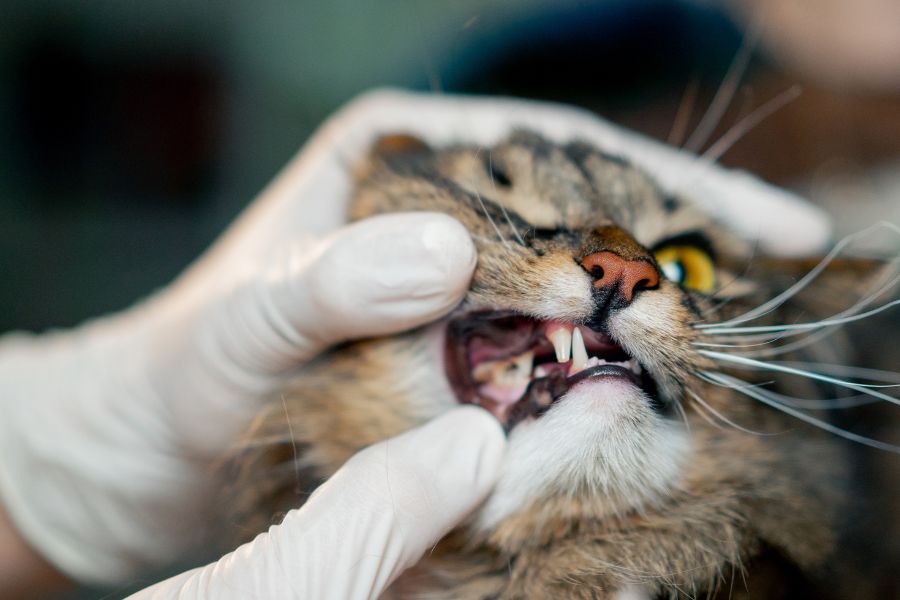
Anesthesia-free dental cleanings may improve the appearance of your pet’s teeth by removing visible tartar above the gumline, but they do not provide the same level of care as a professional dental procedure performed under anesthesia. Most dental disease develops below the gumline, where it cannot be properly examined or treated while a pet is awake.
A dog or cat cannot remain completely still for the detailed cleaning and examination needed to evaluate every tooth safely.
Professional dental procedures allow veterinarians to:
- Examine every tooth carefully
- Clean beneath the gumline
- Check for loose or damaged teeth
- Evaluate painful areas
- Perform dental X-rays when needed
- Treat problems before they become more serious
Without anesthesia, these important steps cannot usually be completed thoroughly or safely. While anesthesia-free procedures may leave teeth looking cleaner, they often do not address the hidden disease that continues progressing beneath the surface.
Why Dental Disease Starts Below the Gumline
Many owners judge their pet’s dental health by looking at the visible parts of the teeth. Although tartar above the gums is easy to see, it is often only a small part of the problem.
The most damaging dental disease usually begins below the gumline, where bacteria collect around the roots of the teeth.
Over time, this can lead to:
- Inflamed gums
- Infection
- Bone loss
- Loose teeth
- Pain while eating
- Tooth root damage
Unfortunately, these problems are often impossible to identify by simply looking inside your pet’s mouth.
Even pets that continue eating normally may have significant oral pain. Dogs and cats naturally hide discomfort, making regular professional dental evaluations especially important. Cleaning only the visible portion of the tooth leaves bacteria beneath the gums untouched, allowing disease to continue to progress despite cleaner-looking teeth.
Hidden Risks of Anesthesia-Free Dental Cleanings
Although anesthesia-free cleanings may sound appealing, they have several important limitations that pet owners should understand.
Potential concerns include:
- Inability to clean below the gumline
- Missed signs of painful dental disease
- No dental X-rays to evaluate tooth roots
- Limited ability to examine every tooth
- Continued progression of hidden infection
- False impression that the mouth is healthy
This is because pets are awake during the procedure, providers must work quickly and avoid areas that cause discomfort.
This limits how thoroughly the teeth can be cleaned. Plaque and bacteria remaining beneath the gums continue damaging the supporting tissues around the teeth even if the visible surfaces appear cleaner afterward. For some pets, repeated cosmetic cleanings may delay diagnosis of painful dental conditions that require professional treatment.
Why Professional Dental Cleanings Require Anesthesia
General anesthesia allows veterinarians to perform a complete oral examination while keeping your pet comfortable and safe.
Since your pet remains completely still, the veterinary team can examine every tooth carefully without causing unnecessary stress or discomfort.
Professional dental procedures commonly include:
- Complete oral examination
- Cleaning above and below the gumline
- Polishing each tooth
- Dental X-rays when indicated
- Evaluation of tooth roots
- Treatment recommendations based on findings
These steps allow veterinarians to identify problems that cannot be seen during an awake examination.
A realistic example
Imagine Charlie, an eight-year-old small breed dog, receives an anesthesia-free dental cleaning because his teeth appear stained with tartar. After the procedure, his teeth look noticeably cleaner, and his family believes his dental health has been fully addressed.
Several months later, Charlie begins dropping food while eating and develops bad breath. During a professional dental procedure under anesthesia, the veterinary team discovers advanced periodontal disease affecting several tooth roots that could not be seen during the earlier awake cleaning. After appropriate treatment, Charlie becomes much more comfortable and begins eating normally again.
Although this is a hypothetical example, it reflects a situation veterinarians commonly encounter. Dental disease often progresses below the gumline long before visible changes become obvious.
What Pet Owners Can Do to Protect Their Pet’s Dental Health
Good dental care begins at home, but home care alone cannot remove tartar below the gumline or diagnose hidden dental disease. Combining daily habits with regular veterinary evaluations gives your pet the best chance of maintaining a healthy mouth throughout life.
Simple steps that support oral health include:
- Brush your pet’s teeth regularly if they are comfortable with it.
- Watch for bad breath that does not improve.
- Check for red or swollen gums.
- Look for broken, loose, or discolored teeth.
- Notice changes in eating or chewing habits.
- Schedule regular oral examinations with your veterinarian.
It is also helpful to pay attention to subtle signs that may indicate dental pain.
Your pet may:
- Chew on only one side of the mouth.
- Drop food while eating.
- Avoid hard treats.
- Paw at the mouth.
- Become less interested in playing with chew toys.
These changes are often mistaken for normal aging, but they can signal painful dental disease that requires professional treatment.
Routine veterinary dental care from your vet in Wildwood focuses on cleaning the areas that cannot be safely reached while your pet is awake. This allows disease to be identified early, before it causes more extensive damage.
When to Schedule a Professional Dental Evaluation
Do not wait until your pet develops severe bad breath or stops eating before scheduling a dental examination. Many dental problems progress silently, and pets often continue acting normally despite significant discomfort.
Arrange a professional dental evaluation if your pet has:
- Persistent bad breath
- Yellow or brown tartar buildup
- Red or bleeding gums
- Loose teeth
- Difficulty chewing
- Dropping food
- Swelling around the mouth
- Broken teeth
- Visible pain while eating
Even if your pet appears comfortable, regular dental examinations allow your veterinarian to detect problems that are difficult to see at home. Professional dental procedures performed under anesthesia provide a complete evaluation of every tooth, including the areas below the gumline where periodontal disease commonly develops. Early treatment helps preserve healthy teeth, reduce pain, and improve your pet’s overall comfort.
Conclusion
Although anesthesia-free dental cleanings for pets may make teeth appear cleaner, they cannot replace a complete professional dental procedure. Hidden dental disease often develops beneath the gumline, where it cannot be properly examined or treated while a pet is awake. Choosing professional veterinary dental care allows hidden problems to be identified early and treated before they become more painful or difficult to manage.
At Fox Creek Veterinary Hospital in Wildwood, MO, comprehensive dental care is designed to protect your pet’s oral health while providing a thorough evaluation of every tooth. If your dog or cat has bad breath, visible tartar, or signs of dental discomfort, scheduling a professional dental evaluation is one of the best ways to support their long-term health and quality of life.
FAQs
Q: Are anesthesia-free dental cleanings safe for pets?
A: While they may remove visible tartar from the surface of the teeth, anesthesia-free cleanings cannot safely clean below the gumline or fully evaluate dental disease. They should not be considered a replacement for a professional veterinary dental procedure.
Q: Why do pets need anesthesia for dental cleanings?
A: Anesthesia allows the veterinary team to clean beneath the gumline, examine every tooth thoroughly, perform dental X-rays when needed, and complete the procedure safely without causing unnecessary stress or discomfort.
Q: Can my pet have dental disease even if the teeth look clean?
A: Yes. Many dental problems begin below the gumline where they are not visible during a simple visual examination. A pet can have significant periodontal disease despite having relatively clean-looking teeth.
Q: What are the signs that my pet needs a dental examination?
A: Common signs include bad breath, swollen or bleeding gums, tartar buildup, loose teeth, difficulty chewing, dropping food, pawing at the mouth, or changes in eating habits.
Q: How often should my pet have a professional dental evaluation?
A: The ideal schedule depends on your pet’s age, breed, and overall oral health. Your veterinarian can recommend an examination schedule based on your pet’s individual needs and identify dental problems before they become more serious.