Open 7 days a week, 8 AM to 8 Pm


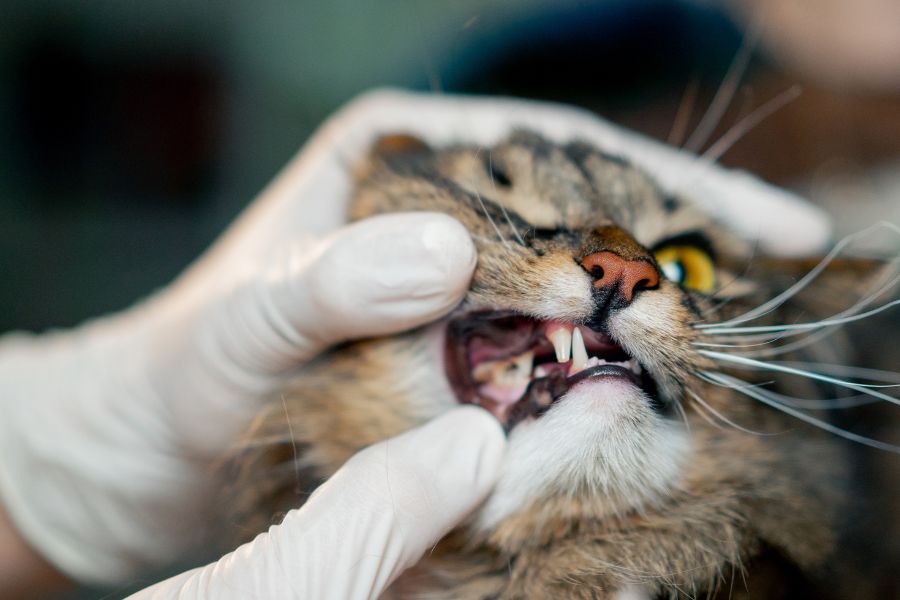
Dental problems are among the most common health concerns in dogs and cats, yet pets often hide signs of mouth pain. Your pet may continue eating normally even when plaque, gum inflammation, a broken tooth, or another oral problem is developing. Knowing what to look for can help you recognize dental disease before it becomes more advanced. At Fox Creek Veterinary Hospital, Kirkwood, MO, routine dental evaluations are an important part of keeping pets comfortable and supporting their overall health. This guide breaks down the most common dental problems in dogs and cats, how they differ between species, the warning signs owners may notice, and when professional veterinary dental care may be needed.
What Are the Most Common Dental Problems in Dogs and Cats?
The most common dental problems in dogs and cats include plaque, tartar, gingivitis, periodontal disease, fractured teeth, retained baby teeth, tooth-root infections, and painful oral inflammation. Some conditions affect both species, while others are particularly common in dogs or cats.
Quick comparison
| Dental Problem | Dogs | Cats | Common Signs |
| Plaque | Very common | Very common | Bad breath, film on teeth |
| Tartar | Very common | Common | Yellow or brown buildup |
| Gingivitis | Common | Common | Red, swollen, or bleeding gums |
| Periodontal disease | Very common | Common | Bad breath, loose teeth, gum recession |
| Broken or fractured teeth | Common | Possible | Pain, drooling, chewing changes |
| Retained baby teeth | Common, especially small breeds | Possible | Crowding, trapped food, gum irritation |
| Tooth-root infection | Possible | Possible | Facial swelling, pain, reduced appetite |
| Tooth resorption | Less common | Common | Pain, chewing changes, tooth loss |
| Stomatitis | Uncommon | More recognized in cats | Severe oral inflammation, drooling, difficulty eating |
| Oral growths | Possible | Possible | Lump, swelling, bleeding, difficulty eating |
The severity of dental disease can range from mild plaque buildup to painful conditions that require professional treatment.
1. Plaque and Tartar
Plaque is a sticky layer of bacteria that naturally develops on teeth. If plaque is not removed, minerals in saliva can harden it into tartar.
Dogs and cats may develop:
- Bad breath
- Yellow or brown material on teeth
- Gum irritation
- Increased plaque around the gumline
- Progressively worsening oral odor
| Feature | Dogs | Cats |
| Plaque buildup | Very common | Common |
| Tartar | Common | Common |
| Main concern | Progression toward gum disease | Progression toward gum disease |
Regular brushing can help reduce plaque, but hardened tartar generally requires professional dental cleaning.
2. Gingivitis
Gingivitis means inflammation of the gums. It often develops when plaque and bacteria remain around the gumline.
| Feature | Dogs | Cats |
| Gum redness | Common | Common |
| Gum swelling | Possible | Possible |
| Bleeding | May occur | May occur |
| Bad breath | Common | Common |
| Pain | May be subtle | May be subtle |
Watch for:
- Red gums
- Swollen gum tissue
- Bleeding
- Bad breath
- Drooling
- Sensitivity around the mouth
Early attention may help prevent gum inflammation from progressing into more advanced periodontal disease.
3. Periodontal Disease
Periodontal disease affects the tissues that support the teeth. It can progress beneath the gumline, meaning owners may not see the full extent of the problem by simply looking at the mouth.
| Feature | Dogs | Cats |
| Frequency | Very common | Common |
| Gum recession | Possible | Possible |
| Loose teeth | Advanced cases | Advanced cases |
| Tooth loss | Possible | Possible |
| Oral pain | May be hidden | Often difficult to detect |
Signs may include:
- Persistent bad breath
- Red or bleeding gums
- Gum recession
- Loose teeth
- Difficulty chewing
- Drooling
- Changes in eating behavior
Cats may continue eating despite significant oral disease, so a normal appetite does not always mean the mouth is healthy.
4. Broken or Fractured Teeth
Dogs may fracture teeth while chewing hard objects, while cats can experience tooth fractures from trauma or other causes.
| Feature | Dogs | Cats |
| Common causes | Hard chewing, trauma | Trauma, other causes |
| Possible signs | Drooling, chewing changes | Drooling, reduced eating |
| Main concern | Pain and deeper tooth damage | Pain and deeper tooth damage |
Contact your veterinarian if your pet:
- Has a visibly damaged tooth
- Suddenly stops chewing normally
- Drops food
- Paw at the mouth
- Drools excessively
- Avoids hard food
A fractured tooth should be evaluated because damage may extend below what is visible.
5. Retained Baby Teeth
Puppies and kittens normally lose their baby teeth as their adult teeth develop. Sometimes a baby tooth remains after the permanent tooth has emerged.
| Feature | Dogs | Cats |
| Occurrence | Relatively common | Less commonly discussed |
| Main issue | Crowding | Crowding |
| Possible effect | Plaque accumulation and gum irritation | Plaque accumulation and gum irritation |
Retained teeth can create tight spaces where food and bacteria collect.
Early dental examinations during puppyhood and kittenhood can help identify this problem.
6. Tooth-Root Infections
A damaged or diseased tooth can sometimes develop an infection involving the root.
| Possible Sign | What Owners May Notice |
| Facial swelling | Swelling below the eye or around the jaw |
| Pain | Reluctance to chew |
| Bad breath | Strong or worsening odor |
| Appetite changes | Eating less or dropping food |
| Sensitivity | Avoiding mouth contact |
Facial swelling near the mouth or eye should be evaluated by a veterinarian.
Treatment depends on the affected tooth and the severity of the infection.
7. Tooth Resorption in Cats
Tooth resorption is particularly important in cats. It occurs when the tooth structure is gradually broken down. The condition can be painful even when the tooth does not look dramatically abnormal from the outside.
| Feature | Dogs | Cats |
| Occurrence | Less commonly recognized | Relatively common |
| Pain | Possible | Can be significant |
| Visible signs | May be subtle | Often subtle |
| Detection | Dental examination | Dental examination and imaging may be needed |
Signs may include:
- Difficulty chewing
- Dropping food
- Drooling
- Sudden food preferences
- Head turning while eating
- Avoiding certain foods
- Irritability when the mouth is touched
This is because cats often hide dental pain; professional examination is particularly important.
8. Stomatitis in Cats
Feline stomatitis is a painful condition involving severe inflammation of tissues inside the mouth.
| Feature | Dogs | Cats |
| More commonly associated with | Less common | Cats |
| Oral inflammation | Possible | Often significant |
| Pain | Possible | Can be severe |
| Eating difficulty | Possible | Common in affected cats |
Affected cats may:
- Drool excessively
- Have bad breath
- Paw at the mouth
- Avoid food
- Lose weight
- Become reluctant to groom
- Show obvious discomfort while eating
A cat showing these signs needs veterinary evaluation.
9. Oral Growths and Abnormal Lumps
Not every lump inside a pet’s mouth is cancer, but any unusual growth should be examined.
| Sign | Why It Matters |
| New lump | May require evaluation |
| Bleeding growth | Needs veterinary attention |
| Rapidly changing area | Should be examined |
| Difficulty eating | May indicate pain or obstruction |
| Facial swelling | Can have several possible causes |
Your veterinarian can determine whether additional testing is appropriate.
What Signs of Dental Disease Should Pet Owners Never Ignore?
Pets can be very good at hiding oral pain.
Watch for:
- Persistent bad breath
- Red or bleeding gums
- Yellow or brown tartar
- Drooling
- Dropping food
- Difficulty chewing
- Pawing at the mouth
- Swelling around the face
- Loose or broken teeth
- Reduced appetite
- Weight loss
- Changes in grooming behavior
A change in your pet’s normal eating or behavior is worth discussing with your veterinarian.
Hypothetical Example: A Cat With Hidden Dental Pain
Imagine a six-year-old cat named Luna whose owner notices that she has started chewing more slowly and occasionally dropping pieces of food. Luna still eats every day, so the changes initially seem minor.
During a veterinary examination, the veterinarian finds signs of significant oral inflammation and recommends further dental evaluation. Luna’s owner learns that cats can continue eating even when their mouths are painful.
This hypothetical example highlights why subtle eating changes should not be dismissed.
How Can You Protect Your Pet’s Dental Health?
Daily home care and professional veterinary examinations work together.
Helpful habits include:
- Brush your pet’s teeth regularly with pet-safe toothpaste.
- Introduce brushing gradually.
- Check the mouth for visible changes.
- Avoid extremely hard objects that can fracture teeth.
- Follow your veterinarian’s dental care recommendations.
- Schedule regular wellness examinations.
- Ask about professional dental cleaning when appropriate.
Home brushing helps control plaque but cannot remove hardened tartar or treat advanced dental disease.
When Does a Pet Need Professional Dental Care?
Professional dental care may be recommended when your pet has significant tartar, gum disease, damaged teeth, persistent bad breath, or other oral abnormalities.
A veterinary dental evaluation may include:
| Step | Purpose |
| Oral examination | Identifies visible dental concerns |
| Gum assessment | Evaluates inflammation and periodontal changes |
| Dental cleaning | Removes plaque and tartar |
| Dental imaging | Helps evaluate structures below the gumline |
| Tooth evaluation | Identifies damaged or diseased teeth |
| Treatment planning | Determines appropriate next steps |
The exact approach depends on your pet’s individual condition.
Conclusion
Dental disease is common in both dogs and cats, but the specific problems they develop can differ. Dogs frequently experience plaque, tartar, gingivitis, periodontal disease, fractured teeth, and retained baby teeth, while cats can also develop tooth resorption and painful inflammatory conditions such as stomatitis. This is because pets often hide oral pain; subtle changes such as bad breath, slower eating, drooling, or dropping food deserve attention. Regular home care and professional dental examinations can help protect your pet’s oral health. If you are concerned about your pet’s teeth or gums, Fox Creek Veterinary Hospital, Kirkwood, MO can help evaluate the problem and recommend appropriate dental care.
FAQs
Q1: What is the most common dental problem in dogs and cats?
A: Plaque and tartar buildup are extremely common and can contribute to gingivitis and periodontal disease. Regular dental care can help reduce the progression of oral disease.
Q2: What dental problems are more common in cats?
A: Cats can develop periodontal disease, tooth resorption, and painful inflammatory conditions such as stomatitis. Cats often hide oral pain, so changes in eating or grooming can be important warning signs.
Q3: How can I tell if my dog or cat has dental pain?
A: Signs can include drooling, pawing at the mouth, bad breath, dropping food, chewing differently, avoiding certain foods, or becoming reluctant to have the face touched. Some pets continue eating despite significant pain.
Q4: Can brushing my pet’s teeth prevent dental disease?
A: Regular brushing can help control plaque and support healthier gums. However, brushing cannot remove hardened tartar or treat established dental disease, so professional examinations remain important.
Q5: When should my pet have a dental examination?
A: Your veterinarian can recommend an appropriate schedule based on your pet’s age, breed, dental history, and risk factors. A dental evaluation is also appropriate when you notice bad breath, tartar, gum redness, chewing changes, swelling, or other oral abnormalities.