Open 7 days a week, 8 AM to 8 Pm


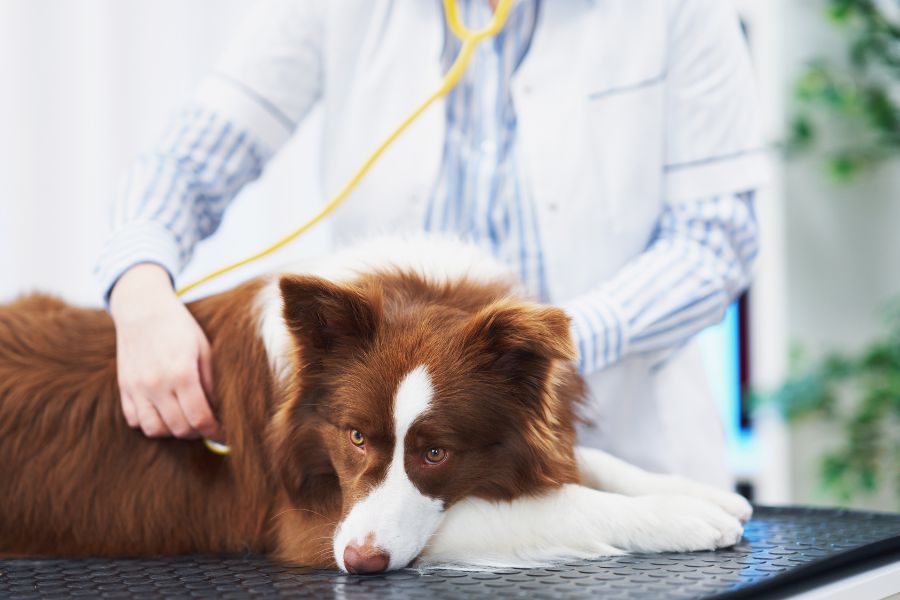
A regular pet wellness exam is one of the best ways to keep your dog or cat healthy at every stage of life. From playful puppies and kittens to aging senior pets, wellness visits help detect health problems early, keep vaccinations current, and support a longer, happier life. In this guide, you’ll learn how often pets should see the vet based on age, what happens during a wellness checkup, and why preventive care matters more than many pet owners realize.
What Is a Pet Wellness Exam?
A pet wellness exam is a routine veterinary visit focused on prevention rather than treating illness. These appointments allow veterinarians to evaluate your pet’s overall health, monitor changes over time, and catch medical concerns before they become serious.
During a wellness exam, your veterinarian may check:
- Weight and body condition
- Heart and lung function
- Teeth and gums
- Skin and coat health
- Eyes and ears
- Joint mobility
- Parasite prevention needs
- Vaccination status
- Nutrition and behavior
Many diseases, including diabetes, arthritis, dental disease, and kidney problems, develop slowly. Regular checkups often identify these issues early, when treatment is simpler and more effective.
Why Wellness Exams Matter at Every Life Stage?
Pets age much faster than humans. A single year can bring major physical changes, especially in senior dogs and cats. Because animals cannot tell us when something feels wrong, preventive exams become essential.
Benefits of routine wellness visits include:
- Early disease detection
- Longer lifespan
- Better quality of life
- Reduced emergency veterinary costs
- Personalized nutrition and lifestyle guidance
- Updated vaccines and parasite prevention
Consistent preventive care also helps establish a health baseline. If your pet becomes sick later, your veterinarian can compare current findings with previous records to help make a diagnosis more quickly.
Puppy and Kitten Wellness Exams
How Often Should Puppies and Kittens Visit the Vet?
Young pets typically need wellness exams every 3 to 4 weeks until they are about 16 weeks old.
This stage involves rapid growth and immune system development. Frequent visits ensure your pet receives proper vaccinations, deworming, and nutritional support.
What Happens During Early Wellness Visits?
Puppies and kittens often receive:
- Core vaccinations
- Parasite screenings
- Weight monitoring
- Development checks
- Feeding guidance
- Behavioral advice
- Spay and neuter discussions
Your veterinarian may also discuss training, socialization, litter box habits, and preventive care routines.
Common Health Concerns in Young Pets
Young pets are more vulnerable to:
- Intestinal parasites
- Respiratory infections
- Congenital conditions
- Nutritional deficiencies
- Vaccine-preventable diseases
Regular exams during the first year build the foundation for lifelong health.
Adult Pet Wellness Exams
How Often Should Adult Pets Have a Wellness Exam?
Most healthy adult dogs and cats should have a pet wellness exam once a year.
Adult pets between 1 and 7 years old may appear healthy, but hidden medical issues can still develop. Annual exams help identify subtle changes before symptoms become noticeable at home.
What Your Vet Checks During Adult Exams?
Adult wellness visits often include:
- Full physical examination
- Dental evaluation
- Weight management assessment
- Vaccine updates
- Heartworm testing
- Flea and tick prevention review
- Routine bloodwork if needed
For many pets, yearly lab testing can detect early signs of disease even when behavior seems normal.
Lifestyle Factors That May Require More Frequent Visits
Some adult pets benefit from more than one yearly exam, including:
- Pets with chronic conditions
- Overweight pets
- Indoor-outdoor cats
- Highly active dogs
- Pets with allergies
- Breeds prone to genetic diseases
Your veterinarian may recommend customized wellness schedules based on your pet’s breed, lifestyle, and medical history.
Senior Pet Wellness Exams
How Often Should Senior Pets See the Vet?
Senior pets should generally have wellness exams every 6 months.
Dogs and cats age more quickly than people, so six months can represent major health changes. More frequent exams improve the chances of detecting age-related conditions early.
Signs Your Senior Pet Needs Extra Monitoring
Older pets may develop:
- Arthritis
- Kidney disease
- Heart disease
- Diabetes
- Cancer
- Vision or hearing loss
- Cognitive decline
Some signs are subtle, including:
- Sleeping more
- Weight changes
- Increased thirst
- Slower movement
- Changes in appetite
- Accidents in the house
Routine exams help distinguish normal aging from treatable medical conditions.
Recommended Senior Wellness Testing
Senior wellness care often includes:
- Comprehensive bloodwork
- Urinalysis
- Blood pressure checks
- Thyroid testing
- X-rays or imaging
- Mobility evaluations
These screenings provide valuable insights into your pet’s internal health and help your veterinarian develop a proactive care plan.
What Happens During a Pet Wellness Exam?
Many pet owners wonder what to expect during a routine visit. A typical pet wellness exam usually begins with a discussion about your pet’s lifestyle, habits, appetite, and behavior. The veterinarian then performs a head-to-tail physical examination.
Common Areas Evaluated
Weight and Body Condition
Weight gain or loss may indicate underlying health issues. Obesity is especially common in pets and can increase the risk of arthritis, diabetes, and heart disease.
Dental Health
Dental disease affects many pets by age three. Your vet checks for plaque buildup, gum inflammation, broken teeth, and oral infections.
Skin and Coat
Skin problems can signal allergies, parasites, hormonal conditions, or nutritional imbalances.
Heart and Lungs
Listening to the heart and lungs may reveal murmurs, irregular rhythms, or breathing abnormalities.
Joint Health
Mobility assessments help detect arthritis and orthopedic problems early.
How Preventive Care Saves Money Over Time?
Some pet owners skip wellness visits because their pet appears healthy. Unfortunately, waiting until symptoms become severe often leads to higher treatment costs and more complicated medical care.
Preventive veterinary care can help avoid:
- Emergency hospital visits
- Advanced dental disease
- Untreated infections
- Chronic pain
- Serious organ damage
For example, detecting kidney disease early through routine bloodwork allows treatment to begin before severe complications develop.
Vaccinations and Wellness Exams
Vaccines are an important part of preventive healthcare. During your pet’s wellness visit, your veterinarian reviews which vaccines are needed based on:
- Age
- Lifestyle
- Exposure risk
- Boarding or grooming requirements
- Travel habits
Core Vaccines for Dogs
Common core dog vaccines include:
- Rabies
- Distemper
- Parvovirus
- Adenovirus
Core Vaccines for Cats
Common core cat vaccines include:
- Rabies
- Feline herpesvirus
- Calicivirus
- Panleukopenia
Your veterinarian may also recommend non-core vaccines depending on your pet’s environment and daily activities.
Wellness Exams and Dental Health
Dental disease is one of the most overlooked health issues in pets. Bad breath is often more than just an inconvenience. It can indicate infection and inflammation that affect the entire body.
Routine wellness exams help identify:
- Gum disease
- Tooth fractures
- Oral pain
- Infections
- Tooth root problems
Untreated dental disease may contribute to heart, liver, and kidney complications over time.
Preparing for Your Pet’s Wellness Visit
A little preparation can help your appointment go smoothly.
Before the Appointment
Bring:
- Current medications
- Vaccine records
- Stool sample, if requested
- Notes about symptoms or behavior changes
It also helps to monitor:
- Appetite
- Water intake
- Bathroom habits
- Energy level
- Mobility changes
Questions to Ask Your Veterinarian
Consider asking:
- Is my pet at a healthy weight?
- Are vaccines up to date?
- Does my pet need bloodwork?
- What parasite prevention is recommended?
- Are there signs of dental disease?
- Should I adjust my pet’s diet?
Conclusion
A routine pet wellness exam is one of the simplest and most effective ways to protect your pet’s long-term health. Puppies and kittens need frequent visits during early development, healthy adult pets usually benefit from annual exams, and senior pets often need checkups every six months. Preventive care helps catch health problems early, improves quality of life, and supports a longer, healthier future for your pet.
If your pet is due for a wellness visit, schedule an appointment with a veterinarian near you, Fox Creek Veterinary Hospital in Manchester, to keep your companion healthy through every stage of life.
FAQs
Q1: How often should dogs have a pet wellness exam?
Ans: Most adult dogs should have a wellness exam once a year, while senior dogs often benefit from exams every six months.
Q2: How often should indoor cats see the vet?
Ans: Indoor cats still need annual wellness exams because many health problems develop without obvious symptoms.
Q3: What is included in a pet wellness exam?
Ans: A pet wellness exam usually includes a physical examination, vaccine review, dental check, weight assessment, parasite prevention discussion, and health screenings.
Q4: Are wellness exams necessary if my pet seems healthy?
Ans: Yes, many diseases develop gradually and may not show symptoms until they become advanced. Routine exams help detect problems early.
Q5: At what age is a pet considered senior?
Ans: Most pets are considered senior around 7 years old, although this can vary based on breed, size, and species.