Open 7 days a week, 8 AM to 8 Pm


Your pet can look healthy while an early health problem is developing quietly. That is one reason pet wellness exams are an important part of routine care. A wellness visit gives a veterinarian a chance to assess your pet’s overall condition, discuss changes you may have noticed, and identify concerns that may not be obvious at home. The right schedule depends on your pet’s age, species, breed, lifestyle, and health history. At Fox Creek Veterinary Hospital in Kirkwood, MO, routine veterinary visits can help create a care plan that changes as your pet grows older. This guide explains the main types of wellness visits pets may need throughout life and what each appointment can help monitor.
What Happens During a Pet Wellness Exam?
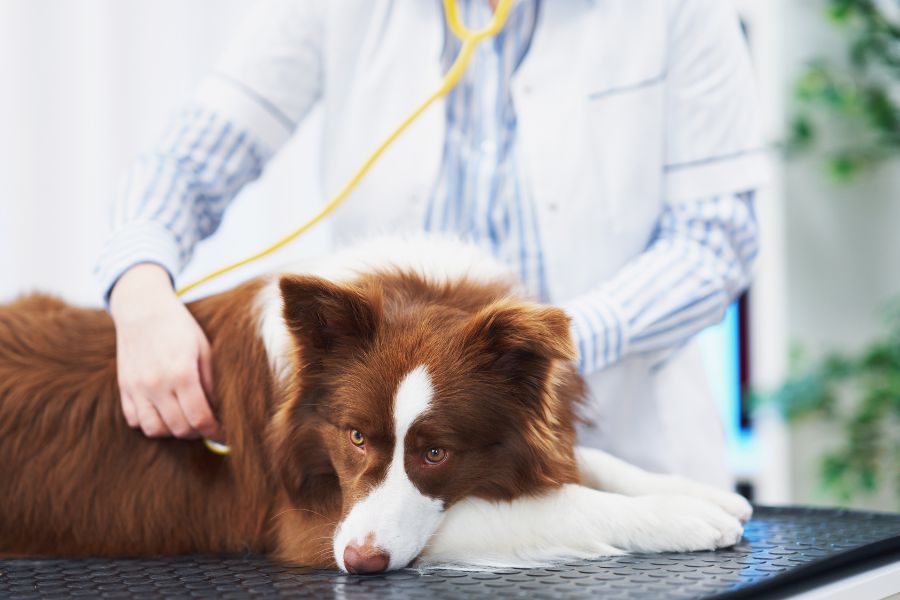
A wellness exam is a routine health visit designed to assess your pet when there is no known urgent problem. The veterinarian reviews your pet’s history, performs a physical examination, and discusses nutrition, behavior, dental health, lifestyle, and other health needs.
The exact appointment varies by species and life stage.
A wellness visit may include:
- Weight and body condition assessment
- Heart and lung evaluation
- Skin and coat examination
- Eye and ear checks
- Mouth and dental assessment
- Abdominal examination
- Joint and mobility assessment
- Behavior discussion
- Nutrition review
- Age-appropriate diagnostic recommendations
Routine visits are useful because your veterinarian becomes familiar with what is normal for your pet. That baseline can make future changes easier to recognize.
How Often Should Healthy Pets Have Wellness Exams?
Healthy pets should have routine veterinary examinations based on their age, health, and individual needs. Puppies, kittens, senior pets, and animals with chronic conditions may need more frequent monitoring than healthy adults.
A general approach is:
- Young pets: More frequent visits may be needed while growth and development are being monitored.
- Healthy adult pets: Routine examinations help maintain a baseline and identify changes.
- Senior pets: More frequent assessments may help identify age-related problems earlier.
- Pets with health conditions: Follow-up schedules should be based on the veterinarian’s recommendations.
There is no single schedule that fits every pet. Your veterinarian can recommend an interval based on your pet’s specific needs.
What Wellness Exams Do Puppies and Kittens Need?
Young pets change rapidly, so wellness visits can focus on growth, development, nutrition, behavior, and early health concerns. Your veterinarian can monitor weight and body condition while answering questions about feeding, training, social behavior, and household safety.
A puppy or kitten wellness appointment may cover:
- Growth and body condition
- Nutrition
- Dental development
- Parasite concerns
- Behavior
- Exercise needs
- Safe socialization
- Breed-related concerns
- Routine health monitoring
Young animals can develop problems quickly, making changes in appetite, stool, energy, or behavior worth discussing.
What Wellness Care Do Adult Pets Need?
Adult pets may appear healthy for years, but routine examinations remain useful. Your veterinarian can compare current findings with previous visits and identify subtle changes.
Adult wellness care may focus on:
- Weight management
- Dental health
- Skin and ears
- Heart and lungs
- Nutrition
- Behavior
- Activity level
- Lifestyle risks
- Routine diagnostic testing when appropriate
A change from your pet’s normal weight or behavior can be an early clue that deserves investigation.
Why Are Senior Pet Wellness Exams Important?
Senior pets have a greater chance of developing age-related health problems. Some changes can be gradual enough that owners mistake them for normal aging.
Senior wellness visits may focus more closely on:
- Mobility
- Weight changes
- Kidney and liver health
- Dental health
- Vision and hearing changes
- Cognitive and behavior changes
- Appetite and thirst
- Bloodwork when appropriate
In a hypothetical case, a senior cat named Luna came in for a routine wellness visit even though her owner thought she was doing well. The veterinarian noticed a subtle change in body condition and recommended additional evaluation, which allowed the owner to address the concern before Luna became visibly ill.
Routine visits are valuable partly because they look for changes before they become obvious at home.
What Diagnostic Tests May Be Part of Wellness Care?
Not every pet needs every test at every visit. Your veterinarian decides what testing is appropriate based on age, health, symptoms, and risk factors.
Depending on the situation, wellness care may involve:
- Bloodwork
- Urine testing
- Stool testing
- Blood pressure measurement
- Imaging
- Dental evaluation
- Other targeted screening
Testing can provide information that cannot be obtained from a physical examination alone. It should be used thoughtfully rather than as a one-size-fits-all checklist.
If your pet has symptoms, diagnostic testing may be recommended even when the appointment began as a routine wellness visit.
What Should You Bring to a Wellness Exam?
A little preparation can make the appointment more useful. Bring information about your pet’s diet, medications, supplements, behavior, and recent changes.
Before the appointment:
- Write down your questions.
- Note changes in appetite or thirst.
- Record unusual behavior.
- Bring medication information.
- Mention changes in weight.
- Bring recent medical records when needed.
- Tell the veterinarian about changes at home.
Do not wait until the end of the appointment to mention your biggest concern. Start with the issue that matters most to you.
When Should You Schedule a Wellness Exam?
Schedule a routine wellness visit when your pet is due based on the veterinary care plan. You should also contact your veterinarian sooner if your pet develops a new health concern.
A wellness appointment is appropriate for routine monitoring, but it should not be used to delay care for a sick pet.
Call a veterinarian promptly if your pet develops:
- Sudden appetite loss
- Repeated vomiting
- Significant diarrhea
- Difficulty breathing
- Severe weakness
- Sudden behavior changes
- Difficulty urinating
- Collapse
- Other rapidly worsening symptoms
These signs may require an appointment focused on the immediate problem rather than routine wellness care.
Conclusion
Pet wellness exams help establish a baseline for your pet’s health and give your veterinarian an opportunity to identify changes that may not be obvious at home. Puppies, adult pets, and seniors have different monitoring needs, so the ideal schedule should be tailored to the individual animal.
Regular care also gives you a chance to discuss nutrition, behavior, dental health, mobility, and other concerns before they become bigger problems. If you are looking for veterinarian near you then Fox Creek Veterinary Hospital in Kirkwood, MO can help you create a routine care plan that fits your pet’s age and health needs.
FAQs
Q1: What is a pet wellness exam?
A: A wellness exam is a routine veterinary visit for a pet that is not being seen for a specific urgent problem. It includes a physical examination and discussion of health, behavior, nutrition, and preventive needs.
Q2: How often should my pet have a wellness exam?
A: The schedule depends on your pet’s age, species, health, and individual risks. Young and senior pets may need more frequent monitoring than healthy adults.
Q3: Do pets need bloodwork during wellness exams?
A: Not every pet needs the same tests at every visit. Your veterinarian may recommend bloodwork or other diagnostics based on age, health history, physical findings, and individual risk factors.
Q4: Are wellness exams necessary if my pet looks healthy?
A: Yes. Some health problems develop gradually without obvious signs at home. Routine examinations help establish a baseline and may identify subtle changes earlier.
Q5: When should I schedule a wellness exam?
A: Follow the schedule recommended by your veterinarian and arrange an earlier visit if your pet develops new symptoms. Sudden or severe signs should be evaluated promptly rather than waiting for a routine appointment.