Open 7 days a week, 8 AM to 8 Pm

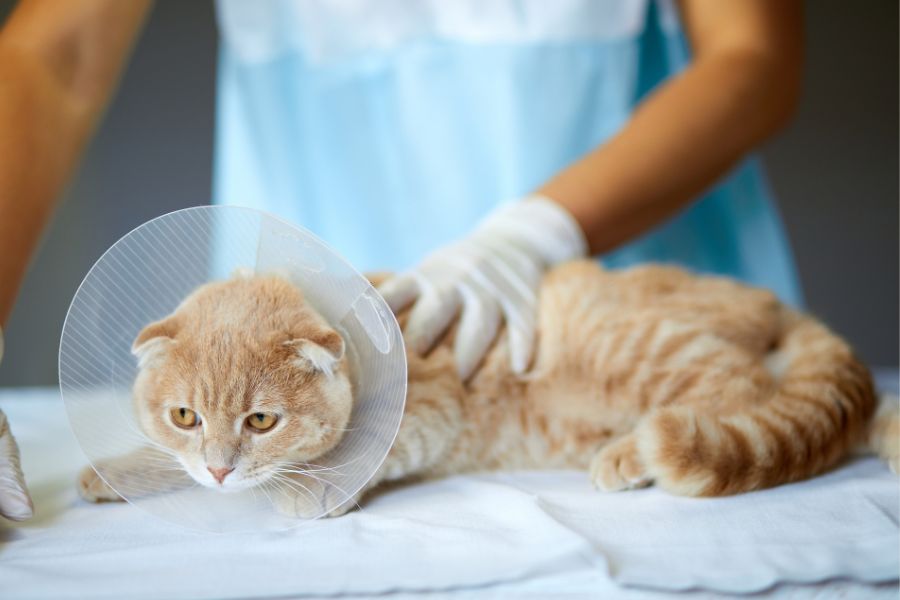
Spaying and neutering are among the most common veterinary procedures performed on cats. These surgeries not only help control the pet population but also provide long-term health benefits, such as reducing the risk of certain cancers and preventing behavioral issues. However, proper aftercare is crucial to ensure a smooth and safe recovery for your feline friend.
In this article, we will explore step-by-step guidance on how to help your cat heal after spaying or neutering surgery.
Understand the Surgery and Its Impact
First, it’s essential to understand what spaying and neutering involve.
- Spaying is the surgical removal of a female cat’s ovaries and uterus.
- Neutering is the surgical removal of a male cat’s testicles.
Both procedures are routine, but like any surgery, they require careful monitoring and care afterward. Cats may feel groggy, sore, or disoriented for a day or two due to anesthesia. Knowing this helps you prepare for what comes next.
Prepare a Comfortable Recovery Space
After surgery, your cat will need plenty of rest. Set up a quiet, comfortable space where your cat feels safe. Ideally, this area should:
- Be away from noise and household activity
- Have soft bedding for comfort
- Contain essentials like water, food, and a litter box
Restricting your cat’s movement prevents unnecessary strain on the incision site and lowers the risk of complications.
Monitor the Incision Site
Next, keep an eye on the surgical incision. Check the area at least twice daily for:
- Redness
- Swelling
- Discharge
- Unusual odor
A small amount of redness is normal, but excessive swelling or discharge may indicate infection. If you notice anything concerning, contact your veterinarian immediately.
Prevent Excessive Licking or Scratching
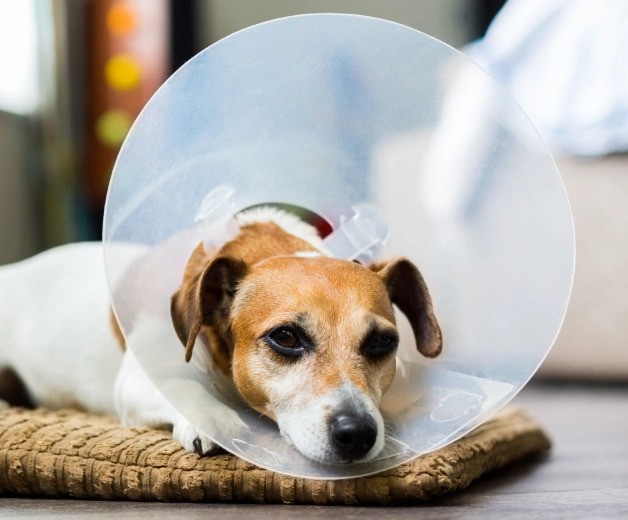
Cats naturally groom themselves, but licking or scratching the incision site can delay healing or even cause infection. To avoid this, veterinarians often recommend using an Elizabethan collar (E-collar) or a soft recovery collar. Although your cat may resist wearing it, this protective measure is necessary for proper healing.
Limit Physical Activity
Even if your cat seems energetic, restrict activities such as running, climbing, or jumping for at least 10–14 days after surgery. Too much movement can open the incision or cause internal bleeding. Keep play sessions gentle and short during this period.
Support with Proper Nutrition and Hydration
After surgery, your cat may not feel like eating right away. This is normal, especially in the first 24 hours. Provide small, frequent meals and ensure fresh water is always available. Stick to your cat’s usual diet unless the veterinarian advises otherwise. Proper hydration and balanced nutrition support the healing process.
Administer Medications as Directed
Your veterinarian may prescribe pain relievers or antibiotics. Always administer these medications exactly as instructed. Do not give your cat over-the-counter human medications, as many are toxic to cats.
Keep Stress to a Minimum
Cats recover best in calm environments. Avoid loud noises, new visitors, or changes in routine during the recovery period. Providing gentle reassurance and affection helps your cat feel safe and secure.
Recognize Warning Signs
While most cats recover smoothly, complications can occur. Contact your veterinarian immediately if you notice:
- Excessive bleeding from the incision
- Persistent vomiting or diarrhea
- Refusal to eat for more than 24 hours
- Difficulty urinating or defecating
- Lethargy or unresponsiveness
Quick action can prevent small issues from becoming serious health problems.
Follow-Up Veterinary Checkups
Finally, attend all scheduled follow-up appointments. Your veterinarian will ensure the incision is healing properly and remove any sutures if necessary. These visits provide peace of mind and confirm that your cat is on track for a full recovery.
Helping your cat recover after spaying or neutering requires patience, attention, and gentle care. By creating a calm space, monitoring the incision, limiting activity, and following veterinary instructions, you can support a safe and smooth healing journey.
If you are searching for reliable cat surgery in Wildwood, MO, consult a trusted local veterinarian to ensure your feline companion receives the highest standard of care before, during, and after surgery.
Frequently Asked Questions (FAQs)
Q1. How long does it take for a cat to fully recover from spaying or neutering?
Ans. Most cats recover within 10–14 days, though full internal healing may take up to a month.
Q2. Can I let my cat go outside after surgery?
Ans. No. Keep your cat indoors until the veterinarian confirms full healing. Outdoor activity risks infection and injury.
Q3. What should I feed my cat after surgery?
Ans. Offer small, light meals and fresh water. Stick to the regular diet unless your vet suggests otherwise.
Q4. Is it normal for my cat to sleep a lot after surgery?
Ans. Yes. Extra sleep is normal due to anesthesia and the healing process. Monitor behavior but allow rest.
Q5. Can I bathe my cat during recovery?
Ans. Avoid bathing until the incision has healed completely, as moisture can delay recovery.
Q6. What signs of infection should I look out for?
Ans. Watch for redness, swelling, discharge, foul odor, or your cat licking the wound excessively. Contact your vet immediately if these occur.