Open 7 days a week, 8 AM to 8 Pm

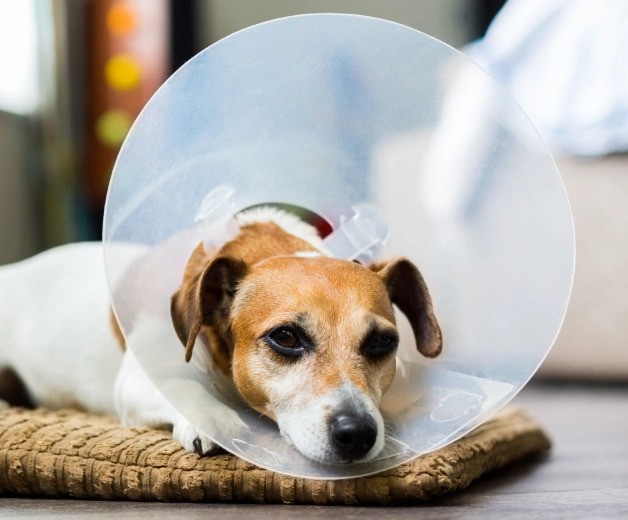
When your dog needs surgery, it can be a stressful time for both of you. Whether it’s a routine procedure or something more complex, proper preparation can make all the difference in ensuring your dog’s safety and comfort throughout the process. In this guide, we’ll walk you through the steps to prepare your dog for surgery, from understanding the procedure to making sure they have everything they need for a smooth recovery.
1. Consult With Your Veterinarian
Before any surgery, the first step is to have a thorough consultation with your veterinarian. They will explain the procedure in detail, including any risks and the expected recovery time. It’s essential to ask any questions you might have, such as how long the surgery will take, what anesthesia will be used, and any pre-surgery instructions. Your vet may also suggest lab tests to ensure your dog is healthy enough for the procedure.
If your dog has any pre-existing health conditions, such as heart disease or diabetes, be sure to inform your veterinarian so they can take extra precautions.
2. Follow Pre-Surgery Instructions
Your vet will give you a set of specific instructions to follow before the surgery. These instructions are crucial for ensuring your dog’s safety during the procedure. Some common pre-surgery steps include:
- Fasting: Most surgeries require your dog to fast for a specific period (usually 12 hours) before the procedure. This helps prevent nausea and reduces the risk of complications related to anesthesia.
- Medication Adjustments: If your dog takes any medications, your vet will advise you whether to stop them or adjust the dosage before surgery. Some medications can interfere with anesthesia, so it’s essential to follow these instructions carefully.
3. Prepare a Comfortable Recovery Area
Once the surgery is over, your dog will need a quiet, comfortable space to recover. Prepare a calm environment for them where they can rest and heal without distractions. Some tips include:
- Choose a Quiet Room: Select a room in your house that’s away from the hustle and bustle. Your dog will need peace and quiet to recover fully.
- Create a Cozy Bed: Provide your dog with a soft, comfortable bed or blanket to rest on. Make sure it’s easy to clean in case of any accidents.
- Remove Hazardous Items: Keep sharp objects, small toys, or anything your dog could potentially hurt themselves with out of reach.
4. Arranging Transportation to and From the Clinic
On the day of surgery, arrange for reliable transportation to and from the veterinary clinic. After surgery, your dog may still be under the effects of anesthesia, making it unsafe for them to walk or drive on their own. Have someone available to pick them up and provide support during their recovery.
If you live in Manchester, MO, or nearby areas, find a local service that offers safe transportation for pets, or arrange a reliable friend or family member to help.
5. Managing Anxiety and Stress
Surgery can be a stressful event for both you and your dog. If your dog has a history of anxiety, it’s essential to take steps to reduce their stress before and after the surgery.
- Calming Products: Consider using calming aids such as pheromone sprays, calming collars, or anxiety wraps to help soothe your dog. Your vet might also recommend a mild sedative for pre-surgery stress relief.
- Stay Calm Yourself: Dogs can sense your emotions, so try to stay calm and reassuring. Keeping a positive attitude will help your dog feel more relaxed.
6. Post-Surgery Care and Monitoring
After the surgery, your dog will require extra attention. Follow your veterinarian’s post-surgery instructions carefully. This will typically involve administering medications, monitoring for any signs of complications, and ensuring they don’t engage in any strenuous activities.
- Medication: Your vet will prescribe medications for pain management and possibly antibiotics to prevent infection. Be diligent about giving the medication at the prescribed times and in the correct dosage.
- Monitor Surgical Site: Keep an eye on the incision site for signs of infection, such as redness, swelling, or discharge. If you notice anything unusual, contact your vet immediately.
- Limit Physical Activity: For a few weeks after surgery, your dog should avoid running, jumping, or playing. This is critical for allowing the surgical site to heal properly. Short, gentle walks are usually allowed, but always follow your vet’s guidance.
7. Follow-Up Appointments
Your dog will likely need a follow-up appointment to ensure they are healing correctly. During this visit, your veterinarian will check the incision site, remove any sutures if necessary, and assess your dog’s overall recovery. Be sure to attend these appointments to avoid any complications during the healing process.
Preparing your dog for surgery involves several steps, from pre-surgery consultations to post-op care. By following these guidelines and working closely with your veterinarian, you can ensure that your dog has the best chance of a smooth and speedy recovery. If you’re in the Manchester, MO area and need expert care for your dog, don’t hesitate to reach out to a trusted veterinary clinic to guide you through the entire process.
FAQs
Q1. How can I tell if my dog is ready for surgery?
Ans. Your vet will assess your dog’s health and determine whether they are fit for surgery. If your dog has pre-existing conditions, this will factor into the decision-making process.
Q2. What should I bring when dropping off my dog for surgery?
Ans. You should bring any medications your dog is currently taking, their medical records, and a list of questions or concerns you may have about the procedure.
Q3. How long will it take for my dog to recover after surgery?
Ans. Recovery time varies depending on the type of surgery. Generally, most dogs begin to feel better within a week, but full recovery may take several weeks.
Q4. Can I be with my dog during surgery?
Ans. Typically, pet owners are not allowed in the surgery room, but you can stay with your dog until they are ready to go under anesthesia.
Q5. How can I help my dog after surgery?
Ans. Ensure your dog has a quiet, comfortable space to rest. Monitor the surgical site, administer medication as prescribed, and limit physical activity during recovery.
Q6. When should I contact the vet after surgery?
Ans. If you notice any signs of infection, such as excessive redness, swelling, or discharge from the incision site, or if your dog is in extreme pain, contact your vet immediately.