
SAME-DAY APPOINTMENTS available


Essential Vaccines and Certificates for Pet Travel
If you are traveling with your pet, there may be additional certificates, vaccines, testing or medications required by your destination state or country. Your pet is required to have a valid rabies certificate and may require a microchip.
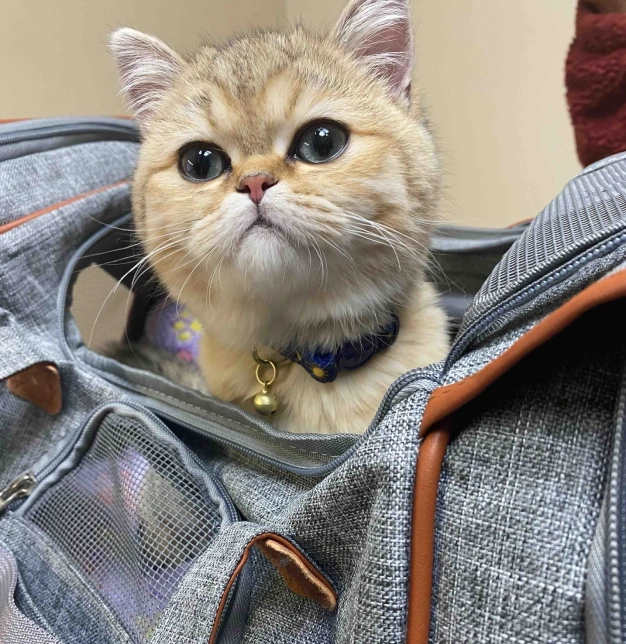

Traveling With Your Pet
If you’re planning to travel with your pet, there are important factors to keep in mind. For very young, senior, or sick pets, or those with ongoing health issues, it might be safer to arrange care with a trusted pet sitter or kennel instead of risking the added stress of travel. When in doubt, consult your veterinarian. If your pet hasn’t traveled before, consider starting with a short overnight or weekend trip to help them adjust.
Be aware of potential challenges when traveling with your pet, as care requirements can vary between states and countries. Inform your veterinarian about your travel destination and duration. Ask about any flea, heartworm, or tick risks in those areas. If your pet struggles with car travel, air travel may also be difficult for them. Consult your Fox Creek Veterinary Hospital veterinarian for advice and treatments to help pets that get restless or carsick during travel.

Travel Health Certificates
Some types of travel may require a health certificate showing that your pet is up to date on vaccinations.
Obtaining Your Domestic Air Travel Health Certificate
Make sure your pet’s vaccinations are current and obtain a Pet Health Certificate dated within 10 days of your departure. Check the rabies vaccination requirements for your destination state or country and keep a copy of the updated rabies certificate. These documents are required for air travel and are highly recommended even if you’re not flying, as many kennels require them for boarding in case of unexpected stays.
Obtaining Your International Health Certificate
- Request an international health certificate from your veterinarian or the embassy of the country you plan to visit. Be sure to do this at least 6 months before your trip to allow enough time for vaccinations, possible quarantine, exams, and paperwork.
- Visit a veterinarian certified by the USDA Animal and Plant Health Inspection Service (APHIS) to obtain the certificate. Foreign countries only accept international health certificates completed by an APHIS-certified vet. All veterinarians at Fox Creek Veterinary Hospital are certified for this service.
- Have your veterinarian perform the required tests and administer vaccinations specific to your destination country. These requirements are usually listed on the destination country’s official website. The vet will record the results on the certificate, which must be dated no more than 10 days before your departure.
- Take the completed certificate to a USDA Veterinary Services office for endorsement. USDA endorsement is mandatory for all international health certificates. You can find a local USDA office on their official website.
- Carry the endorsed international health certificate with you to the airport to show to airline staff and customs officials upon request.
Tips for Traveling With Your Pet
Pets can sometimes get separated from their owners during travel, and often aren’t wearing collars when found at shelters. That’s why microchipping is highly recommended—animal hospitals, shelters, kennels, and humane societies across the country use scanners to read these implanted chips, helping reunite lost pets with their families. Microchipping is a quick, safe, affordable, and routine procedure.
While most pets travel safely, it’s wise to be prepared just in case. Bring a recent photo of your pet along with important details like medical history, identifying marks, scars, microchip number, breed, color, and weight. These details are crucial if your pet becomes lost.
Proper preparation makes all the difference for a smooth trip. Ensure your pet always wears a secure collar with tags that include proof of rabies vaccination as well as your name, address, and phone number. When you arrive at your destination, add temporary tags with the local address and phone number (such as your hotel) to make it easier to locate your pet if they get lost.
Use safety collars only—never use choke, pinch, or training collars while traveling. For cats, safety collars with elastic or Velcro closures are recommended to keep them safe and comfortable on the go.