Open 7 days a week, 8 AM to 8 Pm

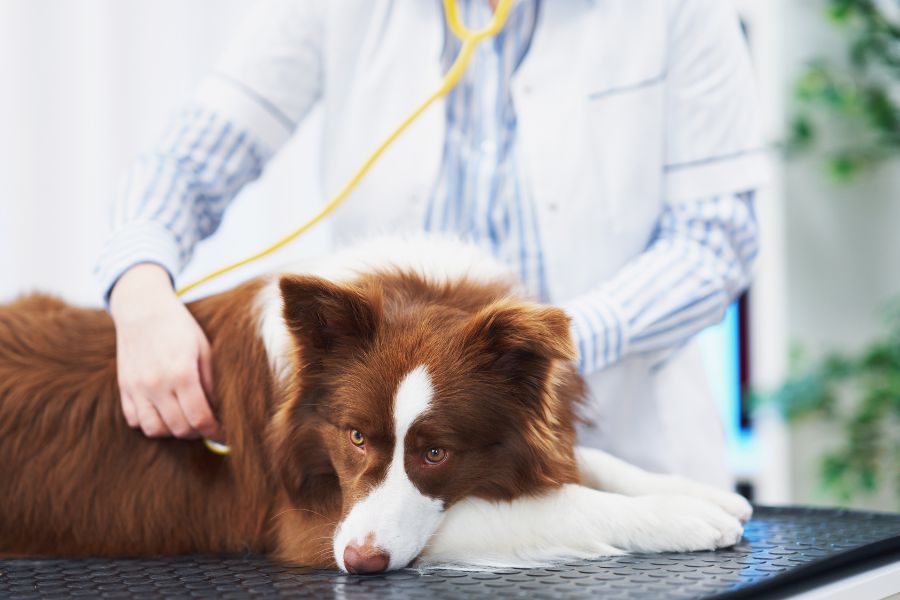
A pet wellness checkup is much more than a routine appointment. It is a preventive health evaluation that helps veterinarians detect medical issues early, monitor your pet’s overall health, and provide personalized care based on age, lifestyle, and medical history. Many serious conditions can be identified before symptoms become obvious, making treatment easier and often more affordable.
In this guide, you’ll learn what happens during a pet wellness checkup, why regular exams are important, what tests may be recommended, and how these visits help your pet live a healthier and longer life.
What Is a Pet Wellness Checkup?
A pet wellness checkup is a comprehensive physical examination designed to evaluate your pet’s overall health rather than treat a specific illness. The goal is prevention, early detection, and maintaining long-term well-being.
Unlike emergency visits, wellness exams focus on:
- Monitoring normal growth and aging
- Detecting hidden diseases
- Updating vaccinations
- Discussing nutrition and weight management
- Preventing parasites
- Addressing behavioral concerns
- Creating a personalized healthcare plan
Regular wellness visits establish a health baseline, making it easier to recognize changes over time.
Why Regular Pet Wellness Checkups Matter?
Many diseases develop gradually and show few noticeable signs in the early stages. Pets are also skilled at hiding pain or discomfort, especially cats.
Routine wellness exams help identify conditions such as:
- Dental disease
- Arthritis
- Heart disease
- Kidney disease
- Diabetes
- Obesity
- Thyroid disorders
- Skin conditions
- Parasite infections
Early diagnosis often leads to:
- More treatment options
- Lower medical costs
- Better quality of life
- Longer lifespan
Preventive care is one of the most effective investments pet owners can make in their companion’s health.
What Actually Happens During a Pet Wellness Checkup?
1. Medical History Review
Your veterinarian begins by discussing your pet’s recent health and lifestyle.
Common questions include:
- Has your pet been eating normally?
- Any changes in drinking habits?
- Weight gain or loss?
- Vomiting or diarrhea?
- Changes in activity level?
- New medications or supplements?
- Behavioral changes?
- Travel or boarding history?
Even small observations can provide valuable diagnostic clues.
2. Weight and Body Condition Assessment
Weight alone doesn’t tell the whole story. Veterinarians also evaluate your pet’s Body Condition Score (BCS) and muscle condition.
They assess:
- Body fat
- Muscle mass
- Growth patterns
- Weight trends over time
Maintaining a healthy weight helps reduce the risk of:
- Diabetes
- Arthritis
- Heart disease
- Joint problems
- Reduced mobility
Nutrition recommendations may be adjusted based on these findings.
3. Nose-to-Tail Physical Examination
The physical examination is the centerpiece of every pet wellness checkup.
Your veterinarian carefully evaluates nearly every body system.
Eyes
The doctor checks for:
- Cataracts
- Cloudiness
- Infection
- Dry eyes
- Vision concerns
Ears
Healthy ears should be clean and odor-free.
The veterinarian looks for:
- Wax buildup
- Infection
- Inflammation
- Ear mites
- Allergies
Mouth and Teeth
Dental disease is extremely common in pets.
The examination includes checking:
- Teeth
- Gums
- Bad breath
- Broken teeth
- Oral tumors
- Tartar buildup
Poor dental health can affect the heart, kidneys, and liver over time.
Skin and Coat
Healthy skin often reflects overall health.
Your veterinarian checks for:
- Hair loss
- Parasites
- Allergies
- Lumps
- Dry skin
- Hot spots
- Infections
Heart and Lungs
Using a stethoscope, your veterinarian listens for:
- Heart murmurs
- Irregular rhythms
- Lung abnormalities
- Respiratory problems
Early detection can significantly improve treatment outcomes.
Abdomen
Gentle palpation helps evaluate:
- Liver
- Kidneys
- Spleen
- Bladder
- Intestinal tract
The veterinarian checks for pain, enlargement, or abnormal masses.
Joints and Mobility
Especially in older pets, movement is carefully assessed.
Your veterinarian looks for:
- Arthritis
- Joint pain
- Reduced flexibility
- Muscle weakness
- Gait abnormalities
Early management can greatly improve comfort and mobility.
Lymph Nodes
Enlarged lymph nodes may indicate:
- Infection
- Immune disorders
- Inflammation
- Certain cancers
Routine exams help identify these changes before they become severe.
4. Vaccination Review
Vaccinations are tailored to your pet’s age, lifestyle, and risk factors.
Your veterinarian evaluates whether boosters are needed for protection against common diseases.
Factors considered include:
- Indoor versus outdoor lifestyle
- Travel
- Boarding
- Grooming visits
- Exposure to other animals
- Local disease risks
The goal is to maintain appropriate immunity while avoiding unnecessary vaccinations.
5. Parasite Prevention Discussion
Parasites can affect even indoor pets.
Your veterinarian may recommend prevention against:
- Fleas
- Ticks
- Heartworms
- Roundworms
- Hookworms
- Tapeworms
Year-round prevention is often the safest strategy.
6. Nutrition and Diet Evaluation
Nutrition needs change throughout a pet’s life.
During a pet wellness checkup, your veterinarian may discuss:
- Current diet
- Portion sizes
- Treat consumption
- Supplements
- Food allergies
- Weight goals
Proper nutrition supports immune function, joint health, digestion, and longevity.
7. Behavioral Assessment
Behavior often reflects physical health.
Your veterinarian may ask about:
- Anxiety
- Aggression
- House-training issues
- Excessive barking
- Scratching
- Sleep changes
- Cognitive changes in senior pets
Addressing behavioral concerns early can improve both pet’s and the owner’s quality of life.
8. Recommended Diagnostic Testing
Even healthy-looking pets may benefit from screening tests.
Depending on age and risk factors, your veterinarian may recommend:
Blood Tests
These evaluate:
- Liver function
- Kidney function
- Blood sugar
- Infection
- Anemia
- Thyroid health
Urinalysis
A urine test helps detect:
- Kidney disease
- Diabetes
- Urinary infections
- Bladder problems
Fecal Examination
Microscopic testing can identify intestinal parasites that may not produce visible symptoms.
Senior Pet Screening
Older pets often benefit from additional diagnostics, including:
- Comprehensive blood panels
- Blood pressure measurement
- Thyroid testing
- Imaging studies, when indicated
These screenings can uncover disease before clinical signs appear.
How Often Should Pets Have Wellness Checkups?
The ideal schedule depends on life stage.
| Pet Life Stage | Recommended Frequency |
| Puppies and kittens | Every few weeks until the vaccination series is complete |
| Healthy adult pets | Once per year |
| Senior pets | Every six months |
| Pets with chronic conditions | As recommended by your veterinarian |
More frequent visits allow earlier detection of age-related health changes.
How Pet Owners Can Prepare for the Appointment?
To make the visit as productive as possible:
- Make a list of medications and supplements.
- Note any recent behavioral changes.
- Track appetite and water intake.
- Bring a stool sample if requested.
- Write down any questions beforehand.
- Keep cats in secure carriers and dogs on a leash.
Preparation helps ensure nothing important is overlooked.
Common Misconceptions About Pet Wellness Checkups
“My pet seems healthy, so they don’t need an exam.”
Many diseases develop silently and only become noticeable after significant progression.
“Indoor pets don’t need preventive care.”
Indoor pets can still develop chronic illnesses, obesity, dental disease, and certain parasites.
Conclusion
A pet wellness checkup is one of the best ways to protect your companion’s long-term health. These routine visits allow your Manchester veterinarian to identify problems early, monitor changes over time, and provide personalized recommendations for nutrition, preventive care, and disease screening. Staying proactive can help your pet enjoy healthier and happier years. For personalized care and guidance, schedule a wellness appointment with Fox Creek Veterinary Hospital in Manchester, MO.
FAQs
Q1: What is included in a pet wellness checkup?
Ans: A pet wellness checkup typically includes a full physical examination, weight assessment, vaccination review, parasite prevention discussion, nutritional evaluation, and recommendations for diagnostic testing when appropriate.
Q2: How often should my pet have a wellness checkup?
Ans: Healthy adult pets should generally have a wellness checkup once a year, while senior pets often benefit from exams every six months to monitor age-related changes.
Q3: Why does my healthy pet still need a wellness exam?
Ans: Many diseases show few or no symptoms in their early stages. Regular wellness exams help detect problems before they become serious and more difficult to treat.
Q4: Will my pet need blood work during a wellness checkup?
Ans: Blood work is often recommended based on your pet’s age, medical history, and risk factors. It can detect hidden conditions affecting organs such as the liver, kidneys, and thyroid.
Q5: How can I prepare for my pet’s wellness appointment?
Ans: Bring your pet’s medical records, list of medications, note any recent changes in behavior or appetite, and prepare questions for your veterinarian. This information helps create the most effective preventive care plan.