Open 7 days a week, 8 AM to 8 Pm

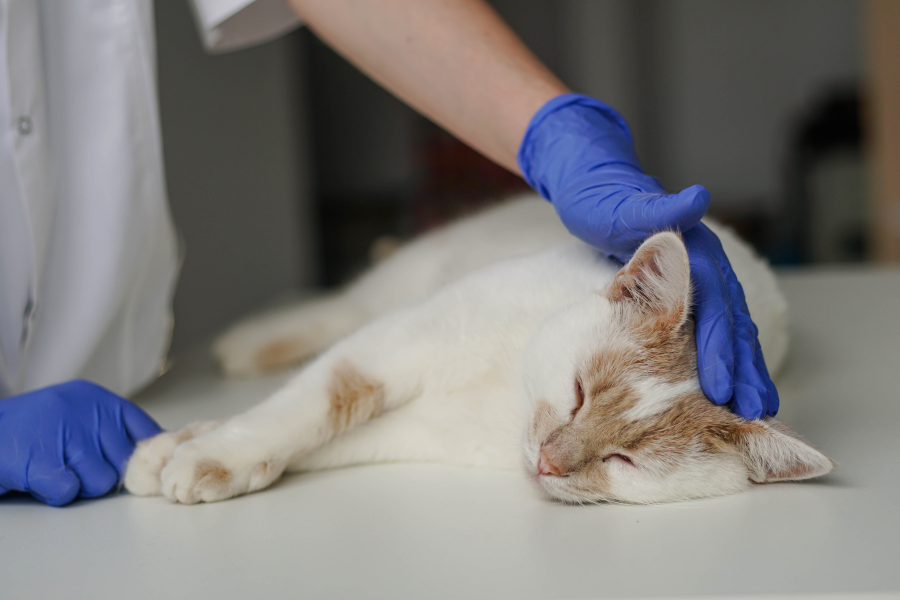
Your pet may seem perfectly healthy while changes inside the body are beginning to develop. Blood testing can sometimes reveal these changes before they cause obvious symptoms. A blood chemistry panel measures substances in the blood that help veterinarians assess organ function, hydration, blood sugar, and the balance of certain minerals called electrolytes. These results can provide important clues about your pet’s health, but they must be interpreted alongside the physical examination and medical history. At Fox Creek Veterinary Hospital in Creve Coeur, MO, understanding what bloodwork can show helps pet owners make informed decisions about testing and follow-up care.
What Can a Blood Chemistry Panel Reveal About Your Pet’s Health?
A blood chemistry panel for pets measures different chemicals and substances in a blood sample to help assess how certain organs and body systems are working. The results can provide information about the kidneys, liver, blood sugar, proteins, and electrolytes. Abnormal values may suggest a health problem, but they do not always identify a specific disease on their own.
Veterinarians often use chemistry panels when a pet is unwell, before certain procedures, during ongoing treatment, or as part of a health assessment when appropriate. The exact tests included can vary by laboratory and the reason for testing.
A panel may help a veterinarian investigate:
- Kidney function: Whether certain waste products in the blood are higher than expected.
- Liver health: Whether enzyme levels or other measurements suggest liver irritation or changes in liver function.
- Blood sugar: Whether glucose levels are outside the expected range.
- Hydration and circulation: Whether certain values may be affected by fluid loss or changes in blood flow.
- Electrolyte balance: Whether minerals such as sodium and potassium are within expected limits.
- Protein levels: Whether albumin and total protein results provide clues about fluid balance, protein loss, or other health concerns.
The panel is a useful part of a broader assessment, not a complete picture of every organ or disease. A veterinarian may recommend additional blood tests, urine testing, imaging, or other investigations depending on the results and your pet’s symptoms.
How Can Blood Chemistry Testing Help Assess Kidney Function?
The kidneys filter waste from the blood and help maintain fluid and electrolyte balance. When kidney function changes, certain waste products may build up in the bloodstream. A chemistry panel often includes measurements such as blood urea nitrogen (BUN) and creatinine, and some panels also include other markers that can help assess kidney function.
Higher-than-expected results can raise concern about reduced kidney function, but they do not automatically confirm kidney disease. Dehydration, certain medications, diet, muscle mass, and other factors may affect some measurements. A veterinarian considers these influences before deciding what the results mean.
If kidney disease is suspected, the vet may recommend additional checks, such as:
- Urine testing: Helps assess urine concentration and look for other abnormalities.
- Blood pressure measurement: High blood pressure can occur alongside some kidney conditions.
- Repeat bloodwork: Helps determine whether a change is temporary or persistent.
- Additional diagnostic testing: May be recommended based on the physical examination and initial results.
Signs that may prompt kidney-related testing include increased thirst, more frequent urination, reduced appetite, vomiting, weight loss, or unusual tiredness. These symptoms can have other causes as well, so testing helps guide the next steps.
A chemistry panel may identify changes that need further investigation, sometimes before obvious signs develop. However, normal results do not rule out every early kidney problem, which is why veterinarians may combine bloodwork with urine testing and other information.
What Can Blood Chemistry Results Tell You About Liver Health?
The liver supports digestion, processes nutrients, helps handle waste products, and performs many other important functions. Blood chemistry panels may include liver-associated enzymes such as ALT and ALP, along with measurements such as bilirubin, albumin, and other substances depending on the panel.
These results provide different types of information. Some enzyme increases can indicate irritation or damage to liver cells, while other changes may be associated with bile flow or conditions elsewhere in the body. Bilirubin levels can provide clues about problems involving the liver, bile system, or breakdown of red blood cells.
It is important to understand that an elevated liver enzyme does not always mean liver failure. Some medications, hormonal conditions, and other illnesses can change enzyme levels. Likewise, liver disease may sometimes be present even when certain results are within the reference range.
Your veterinarian in Creve Coeur may recommend additional tests if the findings suggest a concern. These can include repeat bloodwork, urine testing, imaging, or more specific liver tests, depending on the situation.
Possible signs that may lead to liver-related testing include:
- Reduced appetite or unexplained weight loss
- Vomiting or diarrhea
- Unusual tiredness
- Yellowing of the eyes, gums, or skin
- Increased thirst or urination
- Changes in behavior or coordination
Yellowing of the eyes or gums, repeated vomiting, severe weakness, or sudden changes in behavior should be assessed promptly. Blood chemistry results help guide the investigation, but the diagnosis depends on the overall findings.
How Does a Blood Chemistry Panel Check Blood Sugar and Electrolytes?
Blood glucose measures the amount of sugar in the blood. It provides the body with an important source of energy, and values outside the expected range can point to several possible problems. Persistently high blood glucose may raise concern about diabetes, while low blood glucose can occur with certain illnesses, medication effects, or other conditions.
A single result is not always enough to establish a diagnosis. Stress can temporarily raise blood glucose in cats, and the timing of food intake or other factors may affect interpretation. If a result is unexpected, your veterinarian may recommend repeat testing or additional checks.
Chemistry panels may also measure electrolytes, which are minerals that help regulate fluid balance, nerve signals, and muscle function. Sodium, potassium, and chloride are common examples. Changes may occur with dehydration, vomiting, diarrhea, kidney problems, hormone-related conditions, or certain medications.
Electrolyte results can be especially useful when a pet is unwell because significant imbalances may affect strength, heart function, or general condition. The meaning of a result depends on how high or low it is and what other findings are present.
Your veterinarian may use these measurements to help decide whether your pet needs fluid support, further testing, medication changes, or monitoring. Do not try to correct an abnormal result with supplements or changes to your pet’s diet unless the veterinarian recommends it.
When Should a Pet Have a Blood Chemistry Panel?
A veterinarian may recommend a blood chemistry panel when your pet has symptoms that could be linked to an internal health problem. It may also be part of a broader assessment before certain procedures or when monitoring a condition that could affect organ function.
Testing may be considered when a pet has:
- Increased thirst or urination
- Persistent vomiting or diarrhea
- Reduced appetite or unexplained weight loss
- Unusual tiredness or weakness
- Changes in behavior or activity
- Signs that may suggest liver or kidney problems
- A known condition that requires ongoing monitoring
- A need for a health assessment before certain treatments or procedures
The decision depends on your pet’s age, history, symptoms, medications, and overall health. Not every pet needs the same panel at every visit. Your veterinarian can explain which measurements are useful and how the results may affect the care plan.
Hypothetical case example: A cat named Luna has been drinking more water than usual and gradually losing weight. Her veterinarian recommends blood chemistry testing alongside a physical examination and urine analysis. The results show changes that need further investigation, helping the veterinarian decide which additional tests are appropriate instead of relying on symptoms alone.
Luna’s example illustrates how bloodwork can provide clues without necessarily giving a final diagnosis. The value of testing comes from combining results with other evidence to understand what may be happening.
How Should You Prepare Your Pet for Blood Testing?
Preparing your pet depends on the type of testing being performed. Some blood tests can be collected without special preparation, while others may require your pet to avoid food for a period beforehand. Follow the instructions provided by your veterinary team rather than withholding food on your own.
Before the appointment:
- Ask about food and water. Find out whether fasting is needed and how long it should last.
- Share medication details. Tell the veterinarian about prescription medications, supplements, and any recent changes.
- Mention recent symptoms. Note changes in appetite, thirst, urination, energy, or weight.
- Bring previous results if available. Earlier bloodwork can help the veterinarian identify changes over time.
- Follow handling instructions. If your pet becomes anxious during visits, let the clinic know so the team can help make the appointment more comfortable.
Do not stop medication or restrict water unless your veterinarian specifically advises you to do so. This is particularly important for pets with ongoing medical conditions.
The blood collection itself is usually brief, although the process may take longer if your pet is nervous or needs additional support. Ask when you can expect the results and whether a follow-up discussion will be needed.
What Happens If the Blood Chemistry Results Are Abnormal?
An abnormal result does not automatically mean your pet has a serious disease. Some changes are mild or temporary, while others need prompt investigation. Your veterinarian considers the size of the change, the specific measurement involved, your pet’s symptoms, and any previous results.
The next step may be to repeat the test, perform a urine analysis, check blood pressure, or order additional testing. In some cases, the findings may point toward a condition that needs treatment or closer monitoring. The plan depends on what the results suggest and how your pet is feeling.
It is also possible for a pet to have normal chemistry results while still experiencing a health problem. A chemistry panel does not test for every disease, and some conditions require other diagnostic methods. If symptoms continue despite normal results, tell your veterinarian rather than assuming that nothing is wrong.
Ask your veterinarian to explain which values are outside the expected range, what those changes may mean, and whether action is needed now or later. Understanding the reason for follow-up testing can help you make informed decisions without jumping to conclusions.
Helping You Understand Your Pet’s Bloodwork
A blood chemistry panel can provide useful information about kidney function, liver-associated measurements, blood sugar, electrolytes, and other aspects of your pet’s health. It may help identify changes that need further investigation or monitor a known condition over time. However, results must be interpreted alongside symptoms, examination findings, and sometimes other tests.
If your pet has unexplained symptoms or your veterinarian has recommended bloodwork, Fox Creek Veterinary Hospital in Creve Coeur, MO, can help you understand the purpose of testing and what the findings may mean for your pet. Ask which measurements are included, whether preparation is needed, and how results will guide the next steps. Clear explanations can help you feel more confident about your pet’s care.
Frequently Asked Questions
Q1: What does a blood chemistry panel test for in dogs and cats?
A: It measures substances that help veterinarians assess kidney and liver health, blood sugar, proteins, and electrolyte balance. The exact tests vary depending on the panel and the reason for testing.
Q2: Can a blood chemistry panel detect kidney disease in pets?
A: It can reveal changes that raise concern about kidney function, but the results may need to be interpreted alongside urine testing, blood pressure, symptoms, and other findings. A single result does not always provide a complete diagnosis.
Q3: Do abnormal liver enzymes mean my pet has liver disease?
A: Not necessarily. Some medications, hormonal conditions, and other illnesses can affect liver-associated enzyme levels. Your veterinarian may recommend additional testing to understand why a value is elevated.
Q4: Does my pet need to fast before a blood chemistry panel?
A: Some tests require fasting, while others do not. Ask your veterinary team for instructions before the appointment, and do not withhold food or water unless you have been told to do so.
Q5: How often should pets have blood chemistry testing?
A: The recommended frequency depends on your pet’s age, health, symptoms, medications, and any existing medical conditions. Your veterinarian can suggest a schedule based on your pet’s individual needs.