Open 7 days a week, 8 AM to 8 Pm


Your pet may look healthy on the outside while an underlying health problem is developing quietly. Routine diagnostic testing can help veterinarians identify changes that may not yet cause obvious symptoms. Depending on your pet’s age, species, lifestyle, medical history, and risk factors, your veterinarian may recommend certain tests during an annual wellness visit. Routine diagnostics can be an important part of preventive pet care. Understanding what common tests evaluate can help you feel more prepared for your pet’s yearly veterinary examination and understand why your veterinarian may recommend specific screening.
What Routine Diagnostic Tests May Pets Need Each Year?
Common routine diagnostic tests for pets can include blood work, urinalysis, fecal testing, heartworm testing, and imaging when medically appropriate. Not every pet needs every test every year, so your veterinarian should tailor screening to your pet’s age, health, lifestyle, and individual risk factors.
Here are five commonly used diagnostic tests to discuss with your veterinarian:
- Complete blood count and blood chemistry
- Urinalysis
- Fecal testing
- Heartworm testing
- Diagnostic imaging when indicated
The goal of routine testing is not simply to find disease. It can also establish baseline results that help your veterinarian recognize meaningful changes over time.
1. Complete Blood Count and Blood Chemistry
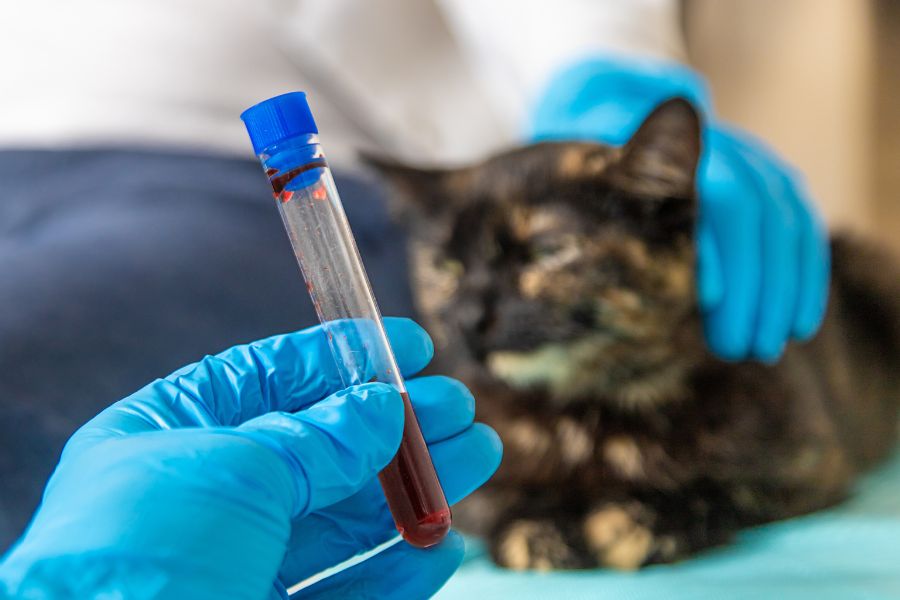
Blood work is one of the most useful diagnostic tools in veterinary medicine. A complete blood count (CBC) evaluates different types of blood cells, while blood chemistry testing provides information about organs and other body functions.
| Test Detail | What It Can Show |
| Complete blood count | Red blood cells, white blood cells, and platelets |
| Blood chemistry | Information about organs and metabolic function |
| Why it may be recommended | Screening for changes that may not cause obvious symptoms |
| Pets that may benefit | Healthy adult pets, senior pets, or pets with specific risk factors |
| How often | Depends on age, health, and veterinary recommendations |
Blood work can help identify abnormalities associated with conditions involving the kidneys, liver, blood cells, blood sugar regulation, and other body systems.
For senior pets, more frequent blood testing may be recommended because the risk of certain age-related conditions increases.
2. Urinalysis
Urine can provide valuable information about your pet’s health.
A urinalysis examines characteristics of urine and can help veterinarians evaluate the urinary system while also identifying clues associated with other health conditions.
| Test Detail | What It Can Show |
| Urine appearance | Changes in color or clarity |
| Urine concentration | How well the kidneys are concentrating urine |
| Chemical testing | Clues involving substances such as glucose or protein |
| Microscopic examination | Cells, crystals, bacteria, and other findings |
| Why it matters | Can provide clues about urinary and systemic health |
Urinalysis may be especially useful when a pet develops changes in drinking, urination, appetite, weight, or bathroom habits.
A pet that suddenly drinks much more water or urinates more frequently should be evaluated rather than assuming the change is simply related to aging.
3. Fecal Testing
Fecal testing examines a stool sample for evidence of intestinal parasites and other abnormalities.
Pets can carry certain intestinal parasites without showing obvious symptoms.
| Test Detail | What It Can Show |
| Stool examination | Evidence of certain intestinal parasites |
| Parasite screening | Helps identify parasite-related concerns |
| Why it may be recommended | Pets can have parasites without obvious illness |
| Useful for | Puppies, kittens, adult pets, and pets with digestive symptoms |
| Sample needed | A fresh stool sample is generally preferred |
Fecal testing can be particularly helpful for pets that spend time outdoors, live with other animals, or have digestive changes.
If your pet develops diarrhea, unexplained weight loss, or other digestive symptoms, your veterinarian may recommend testing even if a routine screening schedule is not due.
4. Heartworm Testing
Heartworm testing can help veterinarians determine whether a dog has evidence of heartworm infection. Heartworm disease can cause serious problems involving the heart and lungs, and infected pets may not show obvious signs during the early stages.
| Test Detail | What It Can Show |
| Heartworm screening | Evidence of heartworm infection |
| Why testing matters | Infection can progress before obvious symptoms appear |
| Commonly discussed for | Dogs, with testing recommendations based on individual risk |
| Testing schedule | Follow your veterinarian’s recommendations |
| Additional testing | May be recommended if results or symptoms require further evaluation |
Your veterinarian can explain the appropriate testing schedule based on your dog’s lifestyle, geographic risk, and preventive care plan.
5. Diagnostic Imaging When Medically Appropriate
Unlike blood or urine testing, diagnostic imaging creates pictures of structures inside your pet’s body. Common forms include X-rays and ultrasound. Not every healthy pet needs imaging every year. Instead, your veterinarian may recommend it when physical examination findings, symptoms, age, or medical history make imaging useful.
| Imaging Type | What It Can Help Evaluate |
| X-rays | Bones, chest structures, certain abdominal findings, and other areas |
| Ultrasound | Abdominal organs and soft tissues |
| Why it may be recommended | Investigating symptoms or monitoring known conditions |
| Routine use | Based on individual risk and veterinary assessment |
| Follow-up imaging | May help monitor an existing health concern |
For example, an older pet with unexplained weight loss may benefit from additional diagnostic testing, potentially including imaging, depending on the veterinarian’s findings.
Why Do Healthy Pets Sometimes Need Diagnostic Testing?
One of the biggest misconceptions about diagnostic testing is that it is only necessary when a pet is sick. Some health problems produce subtle changes before obvious symptoms appear.
Your veterinarian may recommend testing to:
- Establish baseline health information
- Monitor an existing condition
- Investigate subtle changes
- Evaluate organ function
- Screen pets as they age
- Check for certain parasites or infections
- Guide treatment decisions
Routine results can also give your veterinarian something to compare with future results.
A small change may be more meaningful when your veterinarian can compare it with your pet’s previous testing.
Does Every Pet Need All Five Tests Every Year?
No, there is no universal testing package that is appropriate for every dog or cat. A healthy young pet may need a different diagnostic approach than a senior pet with a chronic condition.
Testing recommendations can depend on:
- Age
- Species
- Breed
- Lifestyle
- Medical history
- Current symptoms
- Previous test results
- Outdoor exposure
- Geographic risk
- Existing health conditions
This individualized approach helps avoid unnecessary testing while ensuring important health concerns are appropriately investigated.
Hypothetical Example: Why Baseline Testing Can Matter
Imagine a seven-year-old dog named Charlie who comes in for a routine wellness examination. Charlie is eating normally, remains active, and has no obvious signs of illness.
His veterinarian recommends routine blood and urine testing because of his age. The results provide useful baseline information and reveal a mild change that deserves monitoring. Charlie’s owner can then work with the veterinary team to keep track of the change rather than discovering it only after more obvious symptoms develop.
This hypothetical example shows how diagnostic testing can complement a physical examination, even when a pet appears healthy.
How Can Pet Owners Prepare for Routine Diagnostic Testing?
Preparing for a diagnostic appointment is usually simple.
Before your pet’s visit:
- Ask whether fasting is required.
- Bring a fresh stool sample if requested.
- Tell your veterinarian about changes in appetite or drinking.
- Mention changes in urination or bowel movements.
- Provide an updated list of medications or supplements.
- Share any unusual behavior you’ve noticed.
- Bring previous test results if they were performed elsewhere.
Small details can help your veterinarian decide which tests are appropriate.
What Happens After Diagnostic Testing?
Your veterinarian will interpret test results in the context of your pet’s physical examination, history, age, and symptoms.
An abnormal result does not automatically mean your pet has a serious disease. Some results may need to be repeated or investigated further.
Depending on the findings, your veterinarian may recommend:
- Monitoring
- Repeat testing
- Additional blood work
- Urinalysis
- Imaging
- Dietary changes
- Medication
- Further diagnostic evaluation
The most useful test is the one that answers a specific clinical question about your pet.
Conclusion
Routine diagnostic testing can provide valuable information about your pet’s health and may help identify changes before they become obvious at home. Blood work, urinalysis, fecal testing, heartworm testing, and diagnostic imaging are commonly used tools, but not every pet needs all five each year. Your veterinarian should determine which tests are appropriate based on your pet’s age, lifestyle, medical history, and individual risks. Keeping track of your pet’s normal appetite, weight, drinking, urination, stool, and behavior can also help identify changes worth discussing. At Fox Creek Veterinary Hospital, Manchester, MO, your veterinary team can help create a diagnostic and wellness plan suited to your pet.
FAQs
Q1: What diagnostic tests should my pet have every year?
A: There is no single testing schedule for every pet. Depending on age and individual risk, your veterinarian may recommend blood work, urinalysis, fecal testing, heartworm screening, or other diagnostics.
Q2: Why does my healthy pet need blood work?
A: Blood work can provide baseline information and identify changes that may not yet cause obvious symptoms. It can also help your veterinarian monitor your pet’s health as your pet ages.
Q3: How often should pets have a fecal test?
A: Testing frequency depends on your pet’s age, lifestyle, parasite exposure, and veterinary recommendations. Puppies and kittens or pets with digestive symptoms, may need more frequent evaluation.
Q4: Does every pet need X-rays every year?
A: No. Imaging is generally recommended when a veterinarian has a clinical reason to evaluate internal structures, investigate symptoms, monitor a known condition, or assess a particular health risk.
Q5: Can routine diagnostic testing find health problems early?
A: It can sometimes identify changes before noticeable symptoms develop. Results are most useful when interpreted alongside a physical examination, medical history, and previous test results.