Open 7 days a week, 8 AM to 8 Pm


Your dog or cat may seem perfectly healthy while changes are developing inside the body. Annual bloodwork for pets can give veterinarians information that a physical examination alone cannot provide. Blood testing may help assess organs, blood cells, hydration, blood sugar, and other aspects of health. Not every pet needs the same tests every year, however. Age, species, medications, symptoms, and medical history all influence which tests make sense. At Fox Creek Veterinary Hospital in Creve Coeur, MO, veterinary professionals can use your pet’s history and examination findings to decide which diagnostics are appropriate. This guide explains common blood tests, why they may be recommended, and what pet owners should know before testing.
What Does Annual Bloodwork Tell a Veterinarian?
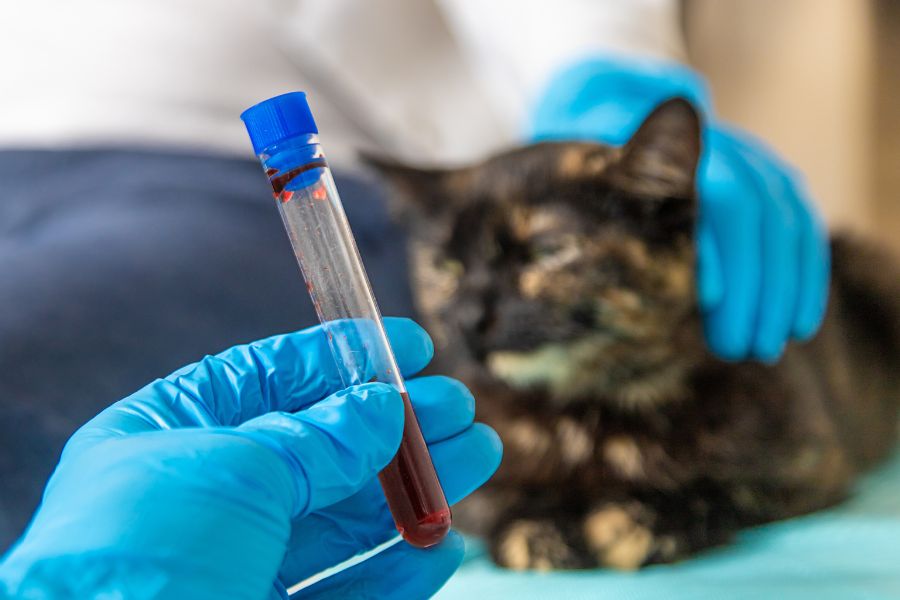
Pet bloodwork provides information about what is happening inside your pet’s body. Depending on the tests performed, it can help evaluate blood cells, organ function, blood sugar, proteins, electrolytes, and other important measurements.
Blood testing can be useful because some health problems cause few visible signs during their early stages. A pet may still eat, play, and behave normally while laboratory values are beginning to change.
Common bloodwork categories include:
- Complete blood count: Evaluates red blood cells, white blood cells, and platelets.
- Blood chemistry: Provides information about organs, proteins, electrolytes, and metabolism.
- Blood glucose: Measures blood sugar levels.
- Kidney-related measurements: Help assess kidney function alongside other findings.
- Liver-related measurements: Help evaluate liver health.
- Electrolytes: Provide information about important minerals and fluid balance.
A veterinarian interprets these values together rather than looking at one number in isolation.
Do Healthy Dogs and Cats Need Annual Bloodwork?
Not every healthy pet requires exactly the same blood tests every year. However, routine bloodwork may be recommended as pets age or when there are individual risk factors.
Testing can establish a baseline for your pet. If future bloodwork shows a change, your veterinarian can compare the new results with earlier values.
Routine testing may be especially useful for:
- Senior pets
- Pets taking long-term medications
- Pets with previous abnormal results
- Pets with chronic health conditions
- Pets with breed-related risks
- Pets showing subtle changes in health
The appropriate testing schedule should come from your veterinarian. More testing is not automatically better, and the goal is to choose diagnostics that answer useful health questions.
What Is a Complete Blood Count for Dogs and Cats?
A complete blood count, often called a CBC, evaluates different types of blood cells. It can provide information about red blood cells, white blood cells, and platelets.
Red blood cells help carry oxygen. White blood cells play important roles in immune function. Platelets help with normal blood clotting.
A CBC may help a veterinarian investigate concerns such as:
- Anemia
- Inflammation
- Infection-related changes
- Abnormal bleeding
- Changes in blood cell production
The results need to be interpreted alongside your pet’s symptoms and physical examination. A single abnormal value does not automatically mean your pet has a serious disease.
What Does a Blood Chemistry Panel Check?
A chemistry panel evaluates substances in the blood that can provide information about organ function and metabolism.
Depending on the panel, a veterinarian may assess:
- Kidney-related values
- Liver-related values
- Blood sugar
- Proteins
- Electrolytes
- Other metabolic measurements
Chemistry testing can be particularly useful when a pet has changes in thirst, urination, appetite, weight, energy, or other health patterns.
In a hypothetical case, a middle-aged dog named Max came in for a routine visit with no obvious symptoms. His veterinarian recommended bloodwork because of his age and history, and one value was different from his previous baseline. Additional evaluation was recommended, giving the owner a chance to investigate the change before Max developed more noticeable signs.
This is one reason baseline testing can be useful.
Do Senior Dogs and Cats Need More Bloodwork?
Senior pets often benefit from closer health monitoring because the risk of certain age-related conditions increases over time. Bloodwork can help identify changes involving organs, blood cells, metabolism, and other systems.
A senior pet’s testing plan may depend on:
- Age
- Previous test results
- Current medications
- Existing medical conditions
- Appetite and weight
- Water intake and urination
- Physical examination findings
Some senior pets may need more frequent testing, while others may need a less intensive schedule.
The important point is consistency. Comparing current results with previous values can give your veterinarian a clearer picture of how your pet’s health is changing.
When Is Bloodwork Recommended Before Treatment?
Bloodwork may be recommended before certain procedures or treatments to help the veterinary team understand your pet’s current health status. The exact tests depend on the procedure, age, medical history, and physical examination.
Pre-treatment bloodwork may provide information about:
- Red and white blood cells
- Platelets
- Organ function
- Blood sugar
- Electrolytes
- Other relevant health markers
This information can help the veterinary team decide whether additional evaluation is appropriate before proceeding.
A pet that appears healthy can still have an unexpected laboratory abnormality. Testing can therefore provide useful information before certain forms of care.
How Do Vets Interpret Abnormal Bloodwork?
An abnormal result does not automatically mean that your pet is seriously ill. Veterinarians consider the degree of the change, your pet’s symptoms, other laboratory results, age, medications, and physical examination.
Your veterinarian may recommend:
- Repeating the test.
- Performing additional blood tests.
- Checking a urine sample.
- Using imaging.
- Monitoring the value over time.
- Starting treatment when appropriate.
Some laboratory changes are temporary or have little clinical significance. Others require prompt investigation.
This is why online interpretation of one isolated blood value can be misleading. Your veterinarian needs the complete picture.
How Can You Prepare Your Pet for Bloodwork?
Most veterinary blood tests are straightforward, but preparation requirements vary. Your veterinarian will tell you whether fasting or other preparation is needed for the specific tests being performed.
Before the appointment:
- Ask whether food should be withheld.
- Bring a medication list.
- Mention recent illness.
- Tell the veterinarian about changes in appetite or thirst.
- Bring previous laboratory results when available.
- Follow preparation instructions carefully.
Do not change your pet’s medication schedule unless your veterinarian tells you to do so.
When Should You Ask Your Vet About Bloodwork?
Discuss bloodwork with your veterinarian if your pet is entering the senior years, takes long-term medication, has a chronic condition, or has developed changes in appetite, thirst, weight, energy, or urination.
Bloodwork may also be useful when a physical examination reveals something that needs further investigation.
Seek veterinary attention sooner if your pet develops significant symptoms rather than waiting for an annual appointment.
Routine testing is most useful when it is connected to a clear health question. Your veterinarian can help determine which tests are appropriate and how often they should be repeated.
Conclusion
Annual bloodwork for pets can provide valuable information about blood cells, organ function, blood sugar, electrolytes, and other health markers. The right tests depend on your dog’s or cat’s age, health history, medications, symptoms, and individual risks. There is no single bloodwork panel that every pet needs at every annual visit.
If you are unsure whether your pet is due for testing, Fox Creek Veterinary Hospital in Creve Coeur, MO can help you discuss an appropriate diagnostic plan. Establishing a baseline while your pet is healthy can also make future changes easier for your veterinarian to recognize.
FAQs
Q1: What blood tests are commonly done for dogs and cats?
A: Common testing includes a complete blood count and blood chemistry testing. Depending on the pet, additional tests may evaluate blood sugar, electrolytes, organ function, or other specific concerns.
Q2: Do healthy pets need annual bloodwork?
A: Some healthy pets may benefit from routine bloodwork, particularly as they age or when there are individual risk factors. Your veterinarian can recommend testing based on your pet’s specific needs.
Q3: What can bloodwork detect in dogs and cats?
A: Bloodwork can provide information about blood cells, organ function, metabolism, blood sugar, electrolytes, and other health markers. It can sometimes reveal changes before obvious symptoms develop.
Q4: How much does pet bloodwork cost?
A: Cost varies based on the tests performed, the veterinary practice, and your pet’s individual needs. Ask your veterinary team for an estimate before testing.
Q5: When should my dog or cat have bloodwork?
A: Your veterinarian may recommend routine testing based on age, health, medications, and medical history. Testing may also be recommended when your pet develops symptoms or before certain treatments.