Open 7 days a week, 8 AM to 8 Pm

Bringing your pet home after surgery can feel both relieving and nerve-wracking. While the procedure may be over, your pet’s road to recovery is just beginning. To help your furry friend heal smoothly and comfortably, it’s important to provide the right care during this sensitive time.
In this article, we’ll guide you through the essential steps you need to take to care for your pet after surgery. From pain management to wound monitoring and nutrition, every aspect of post-operative care plays a vital role in your pet’s full recovery.
Create a Calm and Safe Environment
First and foremost, your pet will need a quiet and secure place to rest after surgery. Choose an area in your home that is free from excessive noise, foot traffic, and other pets. This helps reduce stress and prevents unnecessary movement that might interfere with healing.
If your pet normally jumps on furniture or climbs stairs, use barriers or gates to restrict access. Keep your pet on the ground level to avoid falls or injury.
Follow Your Veterinarian’s Instructions
Your vet will provide detailed instructions tailored to your pet’s specific surgery and condition. It’s crucial to follow these guidelines exactly. They often include:
- Medication schedules
- Feeding instructions
- Activity restrictions
- Follow-up appointment dates
If anything is unclear, don’t hesitate to contact your vet for clarification.
Monitor the Surgical Site
Monitoring the incision site is a top priority during the first few days after surgery. You should check the area at least twice a day for:
- Swelling
- Redness
- Bleeding
- Discharge
- Unpleasant odor
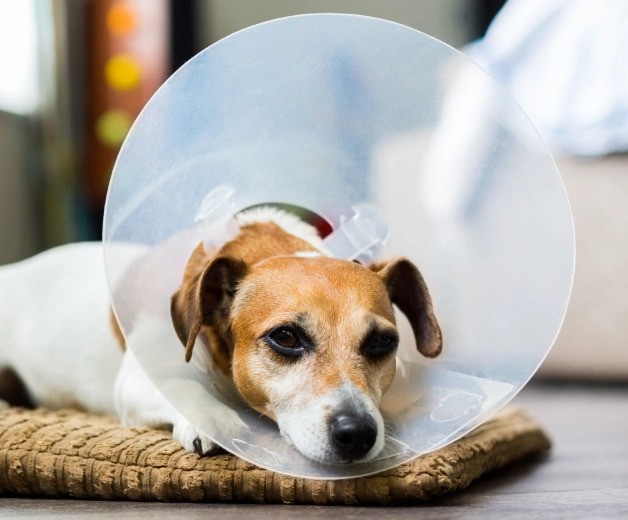
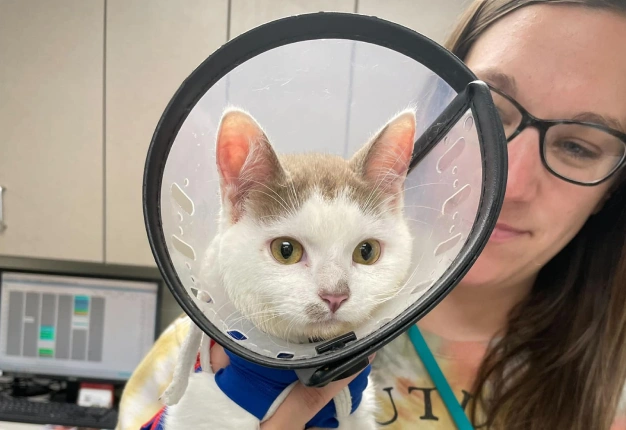
If you notice any of these signs, contact your vet immediately. Also, prevent your pet from licking or chewing the wound. A cone (also known as an Elizabethan collar) or a surgical recovery suit can be helpful in keeping the area undisturbed.
Manage Pain and Discomfort
Pain control is critical for your pet’s comfort and healing. Your vet will likely prescribe pain medications or anti-inflammatory drugs. Administer them exactly as directed—never skip doses or give human painkillers, which can be toxic to pets.
Look out for signs of discomfort, such as whining, panting, trembling, or reluctance to move. If these symptoms persist even with medication, consult your vet.
Stick to a Modified Diet
After surgery, your pet might have a reduced appetite. This is normal, especially within the first 24–48 hours. Offer small portions of a bland diet like boiled chicken and rice, if approved by your vet.
Gradually reintroduce your pet’s regular food once they regain their appetite. Ensure fresh water is always available to prevent dehydration, especially if your pet is on medication.
Limit Physical Activity
Even if your pet seems to be feeling better, avoid letting them run, jump, or play vigorously. Too much activity can reopen incisions or slow the healing process.
Use a leash when taking your pet outside for bathroom breaks, and restrict movement indoors by confining them to a small area or crate, if necessary.
Maintain Hygiene and Cleanliness
Keeping your pet and their environment clean helps prevent infections. Wash your hands before and after touching the surgical site. Replace any bedding or blankets that become soiled, and clean your pet’s resting area regularly.
If your pet is wearing a bandage or wrap, make sure it stays dry. Wet bandages can harbor bacteria and increase the risk of complications.
Provide Emotional Support
Your pet may feel anxious, confused, or even depressed after surgery. Offer gentle reassurance through petting, talking softly, and staying close. However, avoid overstimulation or excessive handling, which may cause stress or interfere with healing.
Comfort goes a long way in promoting emotional well-being, which contributes to faster recovery.
Watch for Behavioral Changes
Monitor your pet’s behavior closely during recovery. Warning signs that may require veterinary attention include:
- Lethargy that lasts more than 48 hours
- Vomiting or diarrhea
- Loss of appetite
- Difficulty urinating or defecating
- Aggression or sudden withdrawal
Promptly reporting these issues to your vet ensures timely treatment and reduces complications.
Schedule and Attend Follow-Up Appointments
Lastly, don’t forget to attend any scheduled follow-up visits. Your vet will evaluate the incision site, remove stitches if needed, and assess your pet’s overall recovery. These visits are an essential part of the healing process and should never be skipped.
Caring for your pet after surgery may feel daunting, but your support is crucial for a smooth and full recovery. By creating a calm environment, following veterinary instructions, managing pain, and monitoring progress closely, you can help your pet return to their normal, happy self in no time.
If you need guidance from the experts or local support, services offering pet surgery in Kirkwood, MO, can provide expert care and recovery advice tailored to your pet’s specific needs.
With patience, love, and attention to detail, your pet will be back on their paws before you know it.