
SAME-DAY APPOINTMENTS available


Vaccines and Paperwork Your Pet Needs for Travel
If you're planning to travel with your pet, your destination may require extra paperwork, vaccinations, tests, or medications. A current rabies certificate is usually required, and some places may also ask for a microchip.
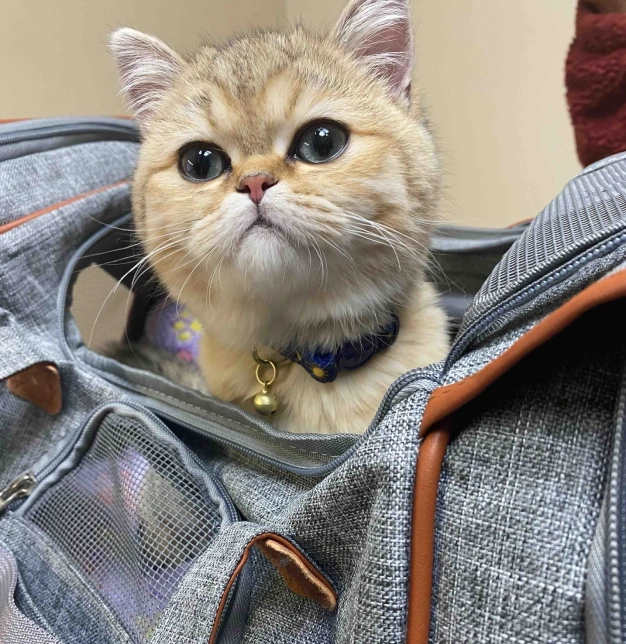

Pet Travel Checklist
Planning a trip with your pet? Before you go, there are important health steps to take. Some pets—especially very young, elderly, or those with health issues—may not handle travel well. In such cases, a trusted pet sitter or boarding facility may be a better option. If you're unsure, ask your veterinarian for guidance.
If this is your pet’s first trip, try getting them accustomed with a short overnight or weekend journey to help them adjust to the experience. Every state or country has its own pet travel requirements. Share your travel plans with your veterinarian. Some areas may have a higher risk of fleas, ticks, or heartworm, so preventive care is important.
If your pet struggles with car rides, flying may be even more stressful. Our team at Fox Creek Veterinary Hospital can recommend treatments to help ease travel anxiety or motion sickness.

Travel Health Certificates
Depending on where you're going, your pet may need a health certificate showing they’re up to date on vaccinations.
For Domestic Air Travel
You’ll need a Pet Health Certificate dated within 10 days of your flight. Your pet must also be current on vaccinations, especially rabies. Keep a printed copy of your pet’s rabies certificate handy—some boarding facilities require it even if you're not flying.
For International Travel
Start the process at least 6 months in advance. This gives you time to complete vaccinations, testing, and paperwork—and meet any quarantine requirements.
Only veterinarians certified by the USDA Animal and Plant Health Inspection Service (APHIS) can issue international health certificates. All of our veterinarians at Fox Creek Veterinary Hospital in Kirkwood are USDA-certified for this service.
Here’s what you’ll need to do:
- Get the required tests and vaccines listed by your destination country.
- Have our vet fill out the health certificate with all necessary details and test results.
- Visit a USDA Veterinary Services office to have the certificate officially endorsed.
- Carry the endorsed documents with you while traveling and present them when asked by airline staff or customs.
Tips to Keep Your Pet Safe While Traveling
Microchipping your pet is strongly recommended. It’s a quick and safe procedure that helps shelters and clinics reunite lost pets with their families.
Be prepared—bring a recent photo of your pet, along with details like their breed, color, weight, microchip number, and any unique markings or medical notes.
Always keep a secure collar on your pet with up-to-date ID tags that include your contact information and proof of rabies vaccination. Once you reach your destination, add a temporary tag with your local address and phone number, like your hotel’s.
Important: Never travel with choke, prong, or training collars. For safety, use a breakaway or elastic collar—especially for cats.