
SAME-DAY APPOINTMENTS available


Recognizing Heart Disease in Pets of All Ages with Compassionate Care
While heart problems are more common in older pets, they can affect animals of any age. Heart disease is often life-threatening, but early diagnosis and proper treatment can help extend your pet’s life.
Many heart issues can be detected during a physical exam, but additional tests like electrocardiograms (ECG), X-rays, and ultrasounds are usually needed to pinpoint the exact cause of the heart condition or failure.
If identified early, some types of heart disease can be successfully treated or even cured.

Specialized Cardiac Care for Your Beloved Pets
Just like humans, dogs and cats can develop heart conditions that require specialized care. Learning your pet has a heart issue can be overwhelming, but our compassionate veterinary team is here to support and guide you every step of the way. We’re proud to have Board-Certified Specialists in Cardiology, Radiology, Surgery, and Internal Medicine on staff, ensuring your pet receives the highest quality care.

Understanding Veterinary Cardiology
Veterinary cardiology focuses on diagnosing and treating heart and circulatory system disorders in animals. Heart disease in cats and dogs can present in many ways, with some of the most common conditions including:
- Heart Murmurs: Abnormal sounds caused by blood flow within the heart, which may be harmless or indicate a more serious issue.
- Congestive Heart Failure: A condition where the heart struggles to pump blood effectively, leading to fluid buildup in the lungs or abdomen.
- Arrhythmias: Irregular heart rhythms that interfere with the heart’s normal function.
- Dilated Cardiomyopathy (DCM): A disease marked by weakening and enlargement of the heart muscle.
- Valvular Heart Disease: Conditions affecting the heart valves that can cause serious complications.
Signs of Heart Disease in Pets
Recognizing early signs of heart disease can make a big difference in your pet’s health. Watch for symptoms such as:
- Ongoing coughing or wheezing
- Difficulty breathing or rapid breaths
- Unexplained fatigue or weakness
- Fainting spells or sudden collapses
- Swelling or bloating in the abdomen
If you observe any of these signs in your pet, please reach out to our veterinarians right away to book an appointment.
How We Diagnose Heart Conditions
When you bring your pet in for a heart health evaluation, we perform a comprehensive examination that may include:
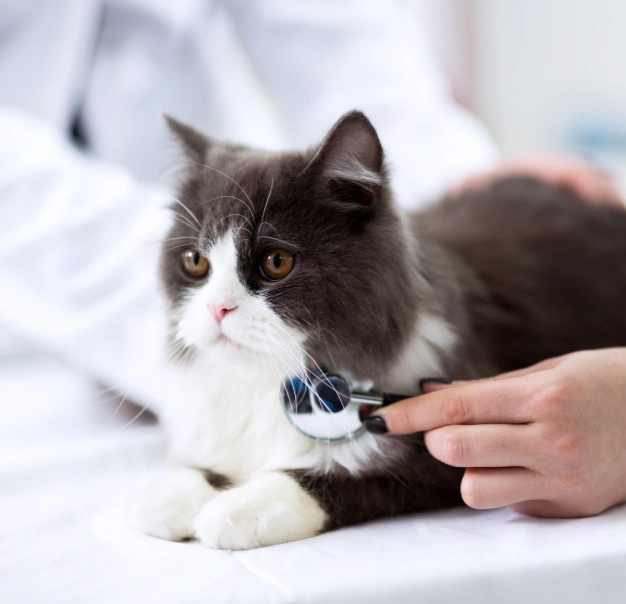
- Using a stethoscope to detect unusual heart sounds or murmurs.
- Taking radiographs (X-rays) to assess heart size and look for signs of fluid buildup.
- Performing an echocardiogram (ultrasound) to evaluate the heart’s structure and function in detail.
- Running an electrocardiogram (ECG) to monitor electrical activity and identify abnormal heart rhythms.
Treatment Options for Pet Heart Conditions
After the diagnosis, our veterinary team will create a customized treatment plan, which may include:
Commonly Prescribed Medications
- Diuretics: Help remove excess fluid from the body to reduce pressure on the heart and lungs.
- ACE Inhibitors: Lower blood pressure and decrease the heart’s workload.
- Beta-Blockers: Manage abnormal heart rhythms and improve heart efficiency.
- Pimobendan: Supports stronger heart contractions and better blood flow.
Suggested Lifestyle Enhancements
- Dietary Choices: Embrace a diet low in sodium to alleviate the burden on your heart.
- Weight Management: Work towards maintaining a healthy weight to reduce unnecessary stress on your heart.
- Physical Activity: Engage in regular, moderate exercise to foster overall health without overtaxing your system.
Procedures and Advanced Care
- Fluid Removal: To relieve pressure from fluid buildup in the lungs or abdomen, we may perform thoracocentesis (lung) or abdominocentesis (abdomen).
- Surgical Intervention: In severe cases, procedures such as heart valve repair or pacemaker implantation may be necessary.
- Oxygen Support: Pets experiencing breathing difficulties may be given supplemental oxygen for stabilization.
- Referral to Specialists: For advanced cardiac conditions, we may coordinate care with a veterinary cardiologist for procedures like catheterization or defibrillation.
Compassionate Heart Care for Your Pet
Heart conditions in pets can be concerning, but with timely diagnosis and proper care, many dogs and cats go on to enjoy full, active lives. If you suspect your pet may have a heart problem, contact us at (636) 458-6569 or book an appointment online today.