
SAME-DAY APPOINTMENTS available


Reptile Care in Manchester, MO
We take great pride in caring for reptile pets of all kinds—from bearded dragons, skinks, and iguanas to snakes, geckos, and turtles. Whether you're a seasoned reptile owner or just starting out, our veterinary team is here to offer expert guidance on proper husbandry and nutrition.
As with all exotic pets, a healthy environment and balanced diet are essential to your reptile’s well-being.

Essential Husbandry Guidelines for Reptiles
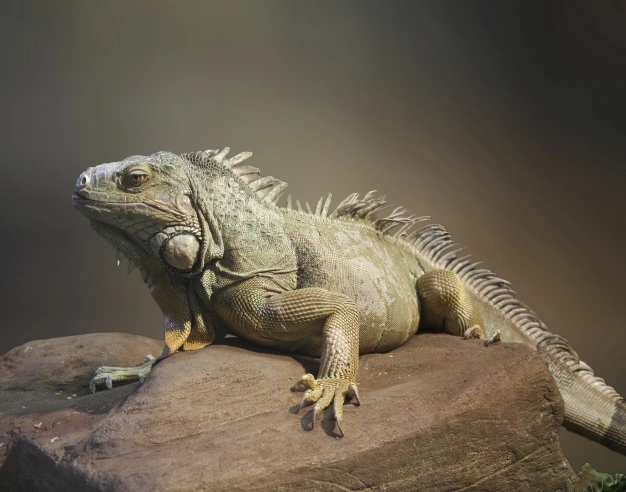
- Enclosure Size: Ensure your reptile’s habitat matches the needs of its species. Larger reptiles, like iguanas, require spacious enclosures to move freely, while smaller species, such as geckos, are well-suited to more compact setups.
- Temperature & Humidity: Create a thermal gradient by providing both warm and cool zones within the enclosure. This allows your reptile to regulate its body temperature effectively. Use heat lamps, UVB lighting, and hygrometers to maintain appropriate temperature and humidity levels tailored to your reptile’s needs. For setup guidance, refer to our fact sheet on aquariums—especially helpful for bearded dragon care.
- Substrate: Choose a substrate that is both safe and appropriate for your reptile. Options like reptile carpet, coconut fiber, or aspen bedding are recommended. Avoid sand or loose materials that can be accidentally ingested, as these may lead to dangerous digestive blockages.

Reptile Nutrition and Care Tips
- Balanced Diet: Reptiles require a species-specific mix of proteins, vegetables, and fruits. Carnivorous reptiles like snakes primarily eat prey such as insects or small rodents, while herbivores like iguanas thrive on leafy greens and vegetables. If you're caring for a bearded dragon, for example, a detailed care guide can help outline their ideal diet.
- Nutritional Supplements: To support bone health and prevent deficiencies, it's important to dust your reptile’s food with calcium and vitamin D3 supplements—especially for those requiring UVB exposure.
- Fresh Water and Hydration: Provide clean, fresh water at all times. For species that thrive in higher humidity, regularly mist the enclosure using dechlorinated water to maintain optimal moisture levels.
Every reptile species has unique dietary and environmental needs. If you're unsure about the right care approach for your pet, our team is here to help. We’re happy to provide personalized advice and resources to support your reptile’s health and well-being.
We also offer species-specific care sheets—like our guide for bearded dragon habitat setup—to help you create the perfect home for your scaly companion.
Reptile Diagnostics
- Respiratory Infections – Typically caused by improper temperature or humidity levels in the enclosure.
- Parasites – Can be internal (like worms) or external (such as mites), both of which can compromise your reptile’s health.
- Shell Rot (Turtles/Tortoises) – A bacterial or fungal infection that damages the shell, often due to unsanitary or overly damp conditions.
- Impaction – A digestive blockage often caused by swallowing inappropriate substrate or indigestible objects.
- Metabolic Bone Disease (MBD) – Results from calcium or vitamin D3 deficiency, leading to soft, brittle, or deformed bones.
At Fox Creek Veterinary Hospital, our team is experienced in diagnosing and treating a wide range of health issues in Manchester, MO. We offer customized treatment plans to support their recovery and can perform surgery when necessary, depending on the case.